
Keep a spring in their step
Seasonal hazards and simple tips to help protect your pet this spring.
Seasonal hazards and simple tips to help protect your pet this spring.
Do you need help?

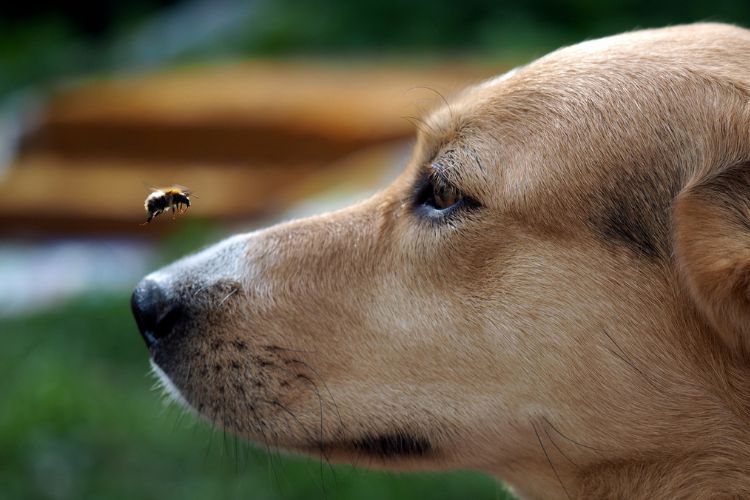
Bee and wasp stings can range from mildly uncomfortable to potentially serious for pets. While most stings result in short-lived pain, more severe immune reactions can cause serious swelling around the head and neck.
To reduce the risk, safely clear any bees or wasps from your home and keep a watchful eye when your pet is outside.
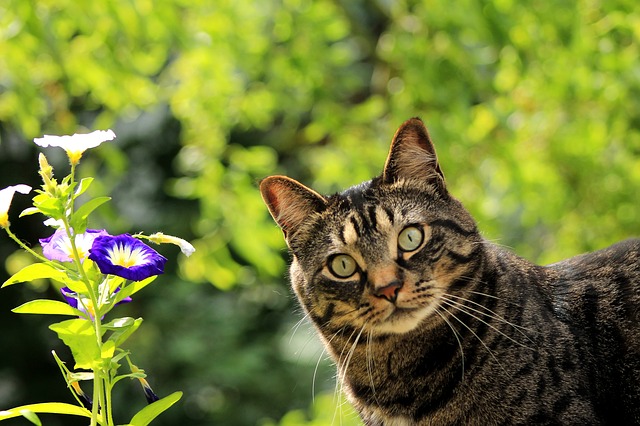
If you have a cat, it’s important to know which flowers to avoid to keep your feline friend safe. Lilies, daffodils, tulips, hyacinths, amaryllis, rhododendrons, azaleas and buttercups are just some of the types to avoid completely.
The toxicity of plants and flowers varies, as does the severity of symptoms based on the type and the amount ingested.
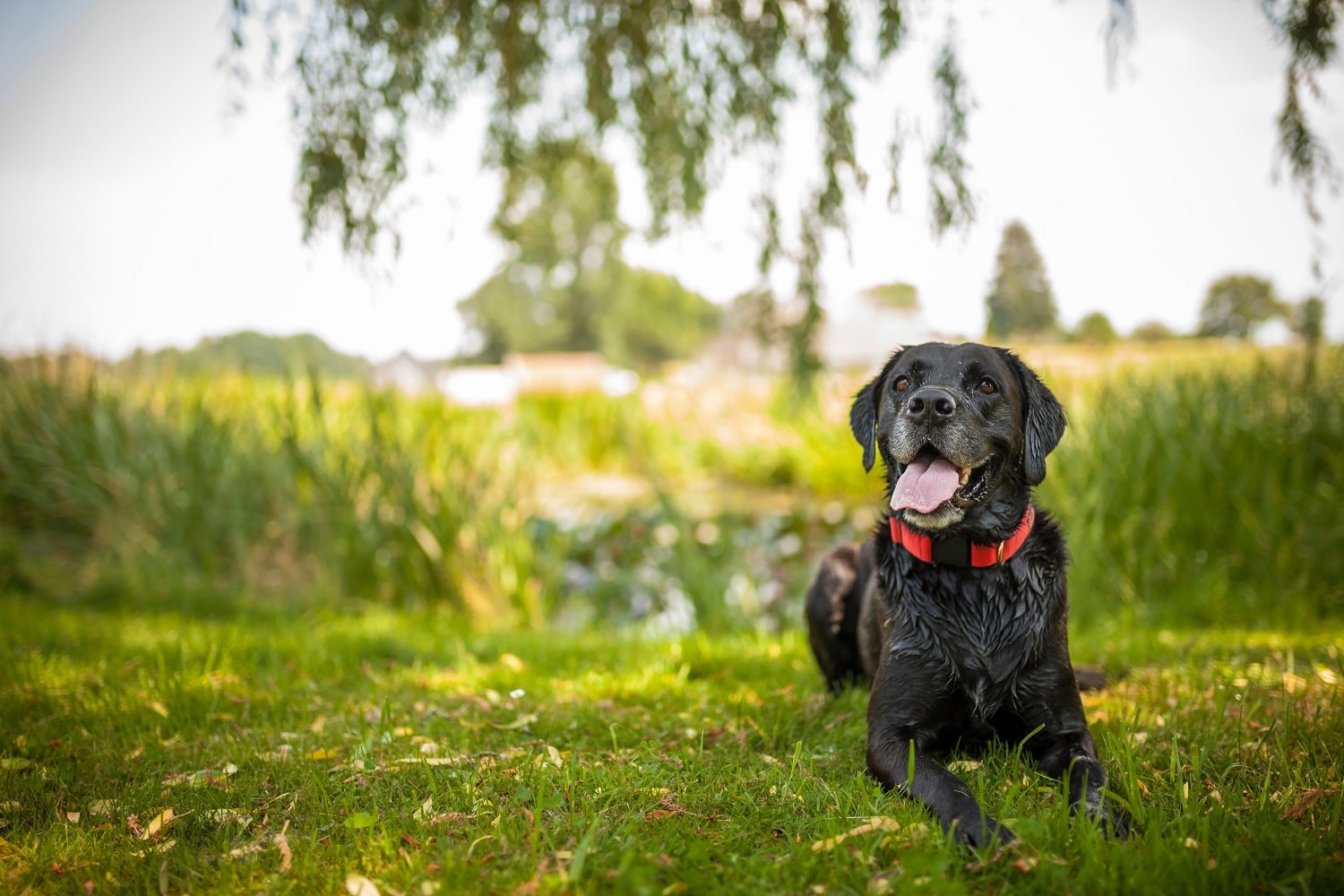
Grass seeds can easily embed themselves in dogs’ paws, ears or skin. Their barbed structure allows them to burrow deeper, sometimes causing infections or discomfort. In rare cases, they have also been known to burrow under the skin and travel to other parts of the body.
Checking your dog after walks and removing seeds promptly helps prevent complications.
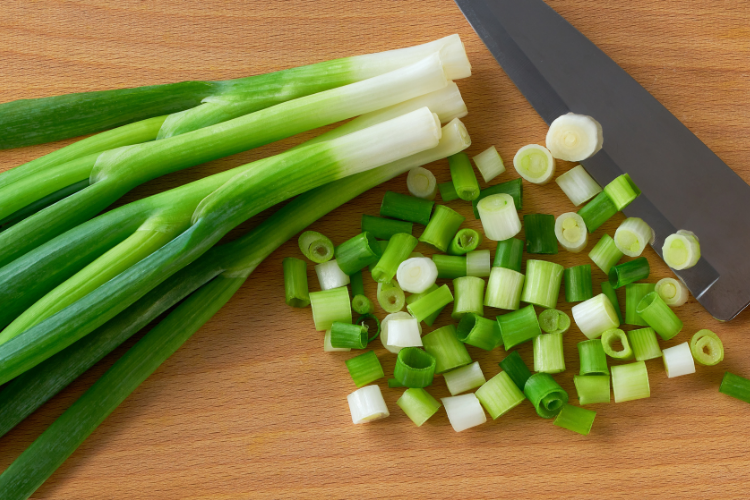
Spring onions, white or red onions, garlic and leeks are from a group of plants called alliums, which are all toxic to dogs and cats. If ingested, they can irritate your pet’s stomach and in more serious cases, damage red blood cells and cause anemia.
All parts of the plant are poisonous, whether raw or cooked. Immediate veterinary advice is essential if your pet consumes them.

Millions of hot cross buns are sold annually in the UK, but did you know the raisins in them can be deadly to dogs? Grapes, raisins, currants and sultanas can lead to kidney failure in dogs, and potentially poisonous to cats.
Because the exact toxin is unknown, preventing access to these foods protects pets from serious illness and unexpected emergencies.
Chocolate is plentiful during Easter, but it poses a real threat to pets, especially dogs since they are rarely picky about what they eat. Chocolate contains theobromine, which animals cannot process safely so even small amounts may trigger serious symptoms.
Use our dog chocolate calculator to find out whether your dog has eaten a dangerous amount
Sadly, springtime sunshine signals the return of some less welcome visitors. As fleas and ticks numbers grow so does the risk of your pet coming into contact with them.
Regular preventative treatments and frequent checks help protect pets effectively.
We’d recommend calling your regular daytime vet to discuss any concerns.
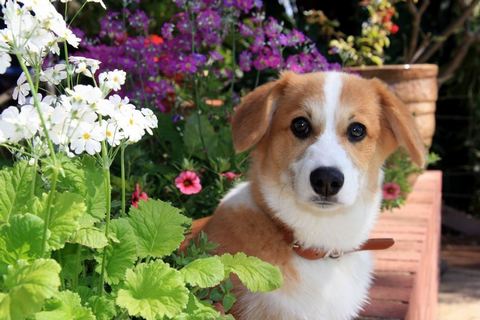
Slugs and snails are not, in themselves, toxic to dogs but some dogs can become infected with lungworm by eating infected slugs and snails or by drinking from puddles, eating grass or licking paving stones that slugs or snails have crawled along. Try to restrict access to areas where slugs and snails are common and avoid leaving your dog’s toys and water bowl in the garden.
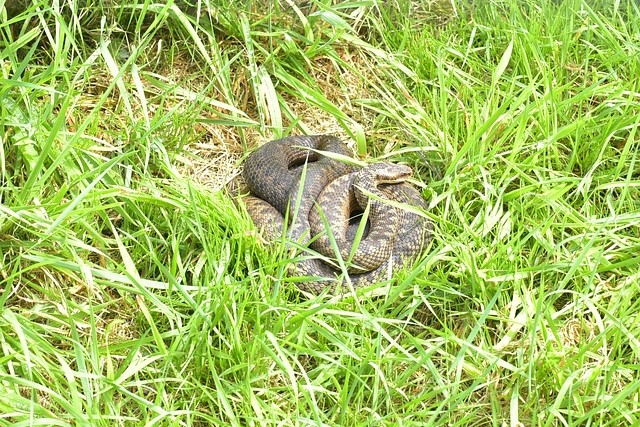
Adders are the only venomous snake native to the UK and become active in spring with incidents increasing between April and July, when curious dogs may unknowingly disturb them. Bites commonly cause sudden swelling and discomfort, and in 5% of cases dogs may develop more severe symptoms. If you think your dog has been bitten, contact a vet immediately.
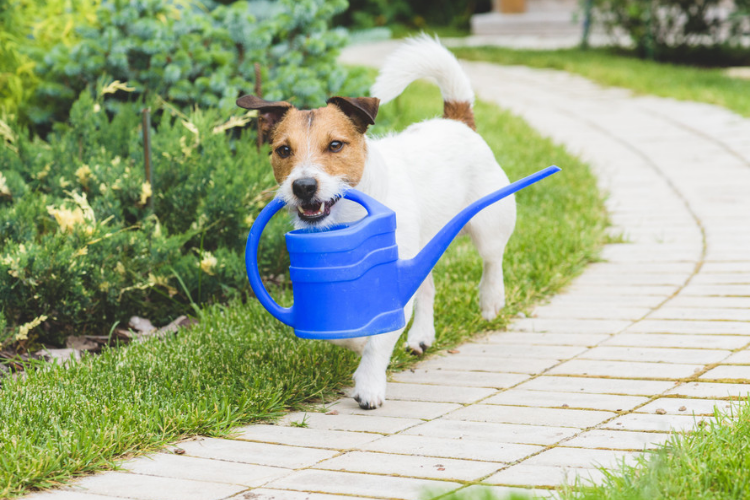
Many garden products are safe when used correctly but can be harmful to pets if touched or ingested before they dry. Weedkillers, slug treatments and insecticides may contain dangerous chemicals like glyphosate or metaldehyde. Keeping pets away from treated areas and storing products securely helps prevent exposure.

Say goodbye to winter sluggishness and hello to longer days and fresh air.
Whether your furry companion is full of energy and eager to explore or more interested in enrichment and discovery, here are the best ways to refresh your routine and make the most of the season.

If you’re worried about your pet and it’s difficult to get to your regular vet, PawSquad is here for you. Our online vet can talk through your concerns and give you advice and peace of mind, or let you know if your pet needs to be seen at a clinic. Download the PawSquad app and register your pet, so if anything goes wrong you can book an online consultation at any time.
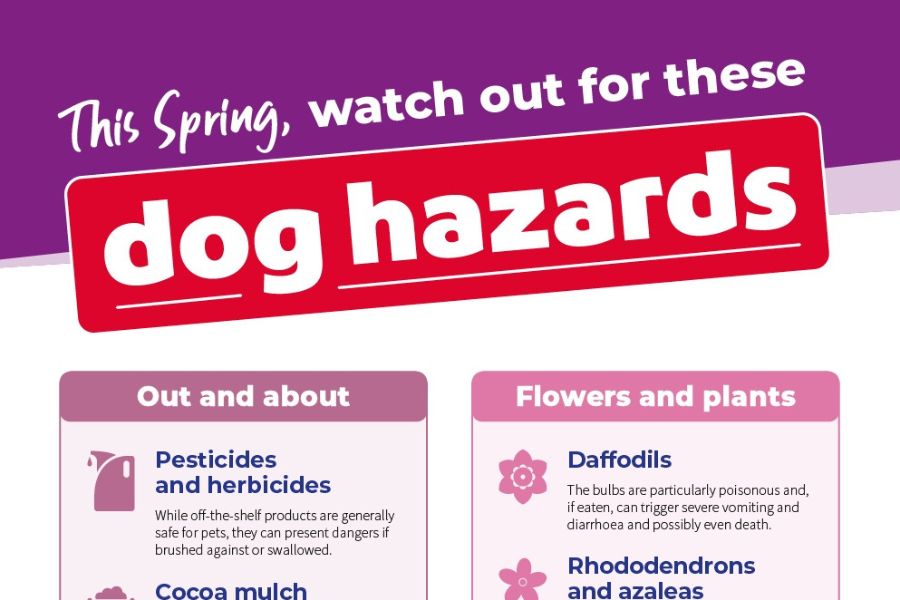
As the weather warms up, keep an eye out for these common spring dangers for dogs. Supervise outdoor time, check paws after walks and contact your vet if something feels off.
Read, download and add our spring hazards infographic to your own social media accounts to help spread the word.
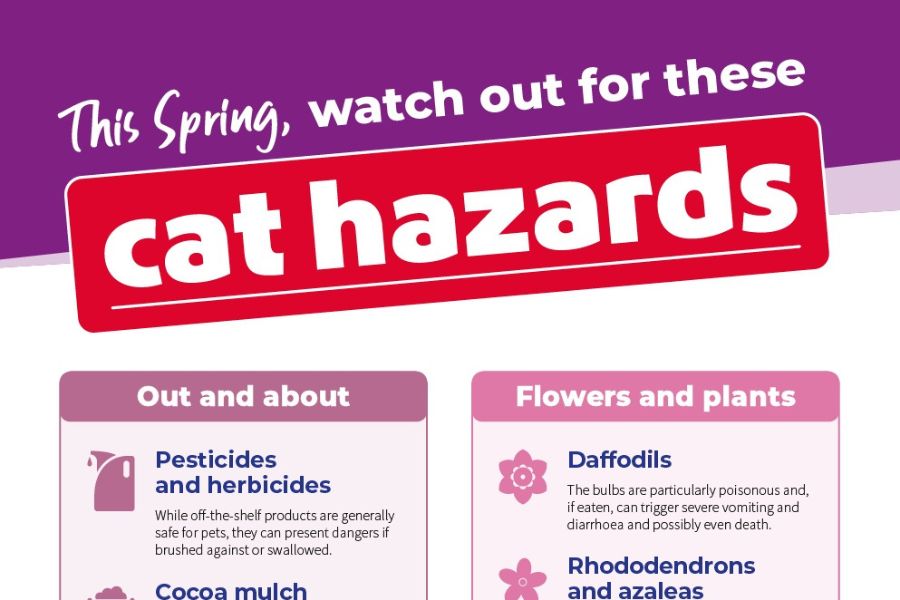
As the seasons change, watch out for these common spring risks for cats. Keep curious cats safe by securing catios, keep toxic plants out of reach and contact your vet if you notice any unusual behaviour.
Read, download and add our spring hazards infographic to your own social media accounts to help spread the word.