
Key takeaways
Rabbit gut stasis is a serious, life-threatening condition in which a rabbit's gut movements slow or stop, leading to bloating and dehydration.
If your rabbit is not eating, hunched, or shows a bloated gut, it's an emergency; common causes include diet issues, stress, or pain.
Vets treat rabbit gut stasis with motility drugs, fluids, pain relief, and nutritional support; surgery may be needed for an obstruction.
Help prevent gut stasis by offering a high-fibre hay diet, providing exercise, regular vet checks, and a stress-free environment.
What is rabbit gut stasis?
Gut stasis is a common, potentially life-threatening condition affecting rabbits. It's also known as ileus, gastrointestinal stasis and GI stasis. It occurs when the normal, regular, wave-like movements of the intestines either slow down or stop altogether.
Bad bacteria can then build up within the gastrointestinal tract, resulting in bloating. This makes the bunny more reluctant to eat and drink which, in turn, causes their condition to worsen.
Affected rabbits quickly become dehydrated and starved of essential nutrients. As the condition progresses, food or faecal material in the intestines dries out, becoming firm and very difficult to pass. This can lead to an obstruction.
My rabbit's not eating – what should I do?
Rabbits are a prey species and are experts at hiding signs of illness or weakness that could lead to their being killed by another animal. This instinct still exists in domestic pets, making the identification of ailments in bunnies challenging.
It's crucial that you monitor your bunny very closely for any changes in behaviour, appetite, passage of urine or faeces. If you spot any signs of gut stasis in your rabbit you should call your vet or, if it's out of hours, your nearest Vets Now pet emergency hospital or clinic.

What causes rabbit gut stasis?
The gastrointestinal tract of rabbits is very delicate and responds acutely to any disease process in the body. The cause of the gut stasis may be from another part of the body. Common causes of gut stasis in rabbits include:
Pain from dental infections, sharp spikes on the teeth, urinary tract infections or gas within the guts caused by an inadequate diet
Stress from a change in environment or loss of a partner, or even something like fireworks
Lack of water
Lack of exercise
Mobility problems caused by obesity, arthritis
Long-term use of antibiotics or the use of unsafe antibiotics
Low fibre, high carbohydrate/fat diet
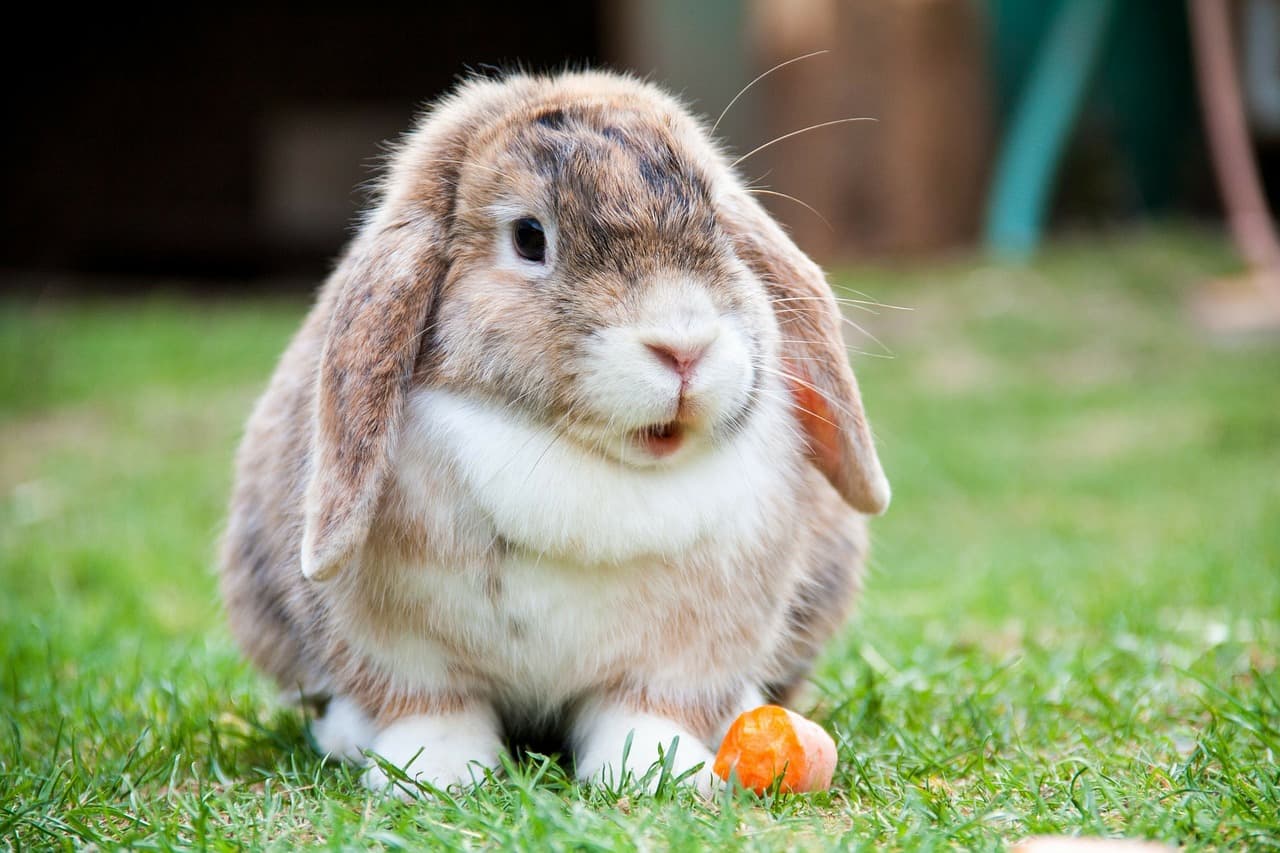
Rabbits affected by gut stasis often have a reduced or absent appetite and thirst
What are the symptoms of gut stasis in rabbits?
The initial signs can be quite subtle with your pet maybe sitting quietly, being hunched up or accepting being handled when they are usually quite feisty. Conversely, if your bunny has pain in their belly they may resent being picked up, grunt or grind their teeth. Occasionally you may notice your pet having a larger belly than normal, this indicates bloating of the gastrointestinal organs.
Affected bunnies often stop eating and drinking. They may also pass stools which vary from being small, to loose and malformed and in severe cases no stools at all. Urine production can be variable depending on the degree of dehydration your pet is experiencing, but it's typically either normal or reduced.
If your pet shows any of these signs, it is an emergency, and you must contact your veterinary surgeon immediately.
One common cause of gut stasis is a low fibre, high carbohydrate diet
How will the vet diagnose rabbit gut stasis?
At the vet, your rabbit will be given a full head-to-toe examination in order to try to identify any potential causes for the gut stasis.
In some cases, a cause is never found. However, as long as your bunny responds to treatment and makes a full recovery, this is not a problem. But you will need to be very vigilant of your pet's behaviour in case the problem recurs.
How is gut stasis in rabbits treated?
Depending on the severity of the stasis, your bunny can be treated as an outpatient, may be hospitalised and given special medications to help the motility of their guts or may even require surgery to remove a physical obstruction caused by impacted food, faecal material or even fur balls.
A simple way to determine the severity of your pet's condition is to take a blood sample, usually from a vein in their ear and check the glucose level within the blood.
As the severity of the gut stasis increases, so does the glucose level, which helps vets decide on the level of care your bunny requires. An X-ray may also be taken to identify an obstruction or gas accumulation.
If it is decided that surgery is not required, typically, treatment of gut stasis in rabbits would include:
Medications to promote the movement of your bunny's intestines
Fluids either injected under the skin or given as a drip into a vein, usually in the ear
Pain relief to alleviate the discomfort caused by the accumulation of gas
Nutritional support via either a feeding tube into your bunny's stomach or by encouraging them to eat their favourite foods
Early and aggressive treatment can lead to your rabbit's full recovery. However, if an underlying cause is identified, it is important that it is addressed; otherwise, there is a very high risk that your rabbit will develop gut stasis again.
The presence of a physical obstruction within the gut that cannot be treated medically and requires surgery carries a much poorer prognosis. However, your vet will discuss all the options with you at your appointment.
What can I do to prevent stasis?
There are several simple things that you can do to prevent your rabbit from suffering from gut stasis.
Ensure your rabbit is receiving a high-quality, hay-based diet to provide them with the fibre they need for a healthy digestive system and to encourage proper wear of their teeth, thus preventing painful spurs and overgrowths. Speak to your vet for further feeding advice.
Take your rabbit to their vets for regular check-ups so that any underlying health problems they may have been hiding can be identified and treated early.
Provide an enriched, stress-free environment. Rabbits are sociable animals and like companionship, however the sudden introduction or loss of a partner can cause them great stress and upset. It is important that your bunny has sufficient space to run around without feeling threatened by their environment.
Authors and contributors

Disclaimer
Vets Now assumes no liability for the content of this page. This advice is not a substitute for a proper consultation with a vet and is only intended as a guide. Please contact your local veterinary practice for advice or treatment immediately if you are worried about your pet’s health, even if they are closed, they will always have an out-of-hours service available.