From structured learning programmes and evidence-based clinical resources to a culture of collaboration and continuous improvement, Vets Now is committed to supporting clinicians throughout their ECC careers. Principal Vet Sam King shares how that support has helped her build confidence, develop her clinical skills and deliver the best possible care for pets and their owners.
As Principal Vet at Vets Now’s Sutton clinic, Sam spends her working life dealing with every kind of small animal emergency. It’s very different from the farm and equine veterinary life she envisaged, but she couldn’t be happier. Sam tells us about the challenging, and rewarding, cases that make her so glad she made the move into ECC.
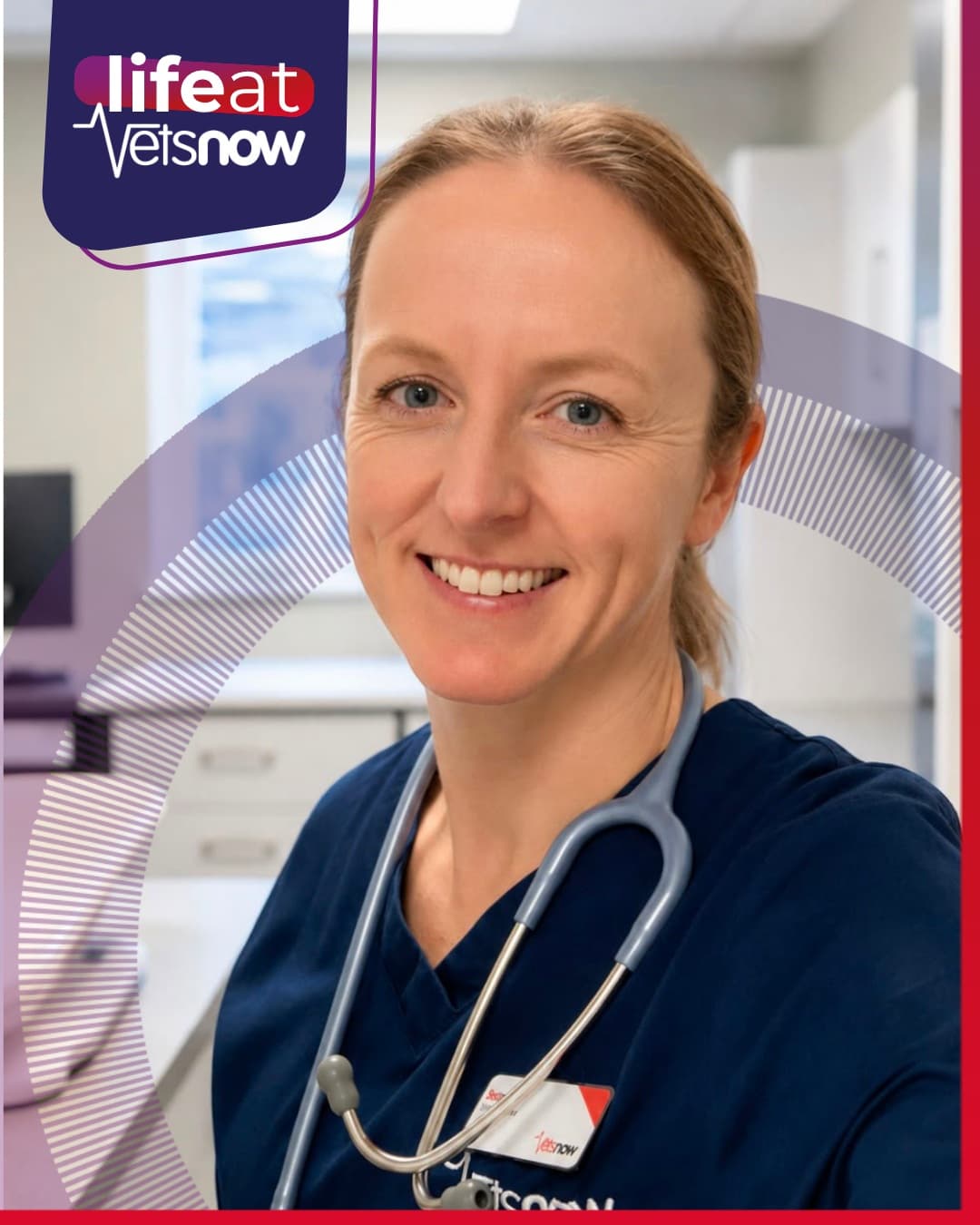
With our highly skilled vets and support staff, it’s just a team that works together so well, with all their talents utilised.
— Sam King
What’s your veterinary background?
I qualified from the Royal Veterinary College in 2015 and although I did the ECC rotation it wasn’t something I was looking to go into at that time. I had originally planned to work with large animals but moved to small animal practices before joining the PDSA for six years, latterly as team leader. I then had a year working at the Blue Cross, part of which was spent as Head Vet at the Blue Cross Grimsby hospital. However, that was big commute from my home in London, so I was happy to make the jump to being Principal Vet at Sutton with Vets Now.
What was the appeal of ECC?
Many of the of cases you see in the charity sector can be among the sickest of the sick, so often very much fall into the ECC category. The case load can be high, and you don’t tend to have access to the full range of diagnostics, so you become very good at thinking on your feet and treating sick cases without necessarily having all the information. That sets you up well for a career in ECC and, having constantly worked days, I wanted a fast paced night environment, leading a team and purely doing ECC.
How did you find the move?
AdvantEdge, which is a programme which helps experienced vets transition into ECC, was offered as part of the recruitment, and it was a really good way to refresh my knowledge , which diagnostics. With the range of diagnostics we have at Vets Now, and being a dedicated emergency provider, we are well equipped to deal with any ECC presentation that comes through the door. The staff are amazing.
The nurses are incredibly skilled and together with our vets and support staff, they make it a team that works well together and where everyone’s expertise is properly used.
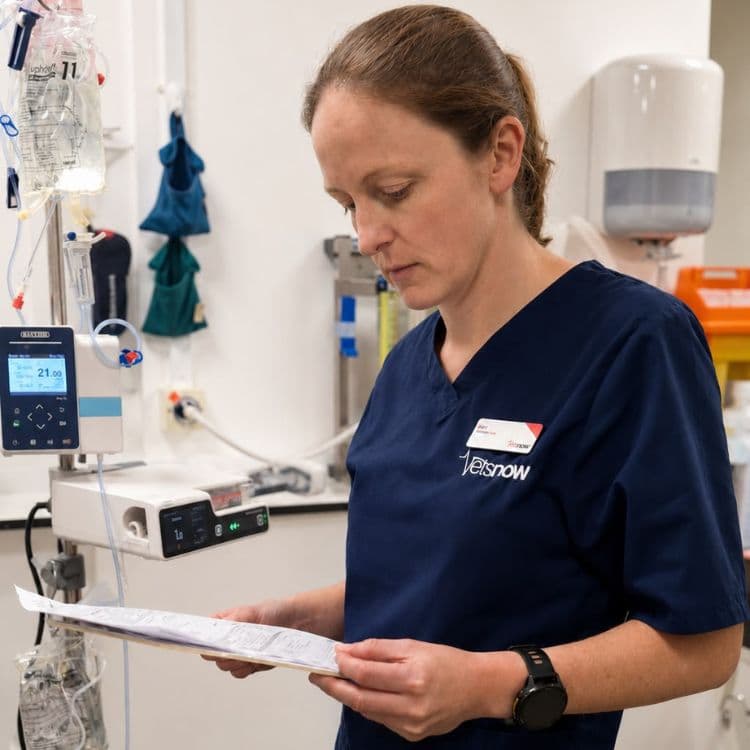
We do frequent formal and informal case reviews within clinic, and I’ll randomly select cases the vets have seen for further discussion. So, we have a very reflective learning culture.
— Sam King
How do you ensure you keep improving that care?
Vets Now has a learning hub on the intranet full of clinical Care Frameworks and guidelines which have been developed by our clinical standards team. We do frequent formal and informal case reviews within clinic, and I’ll randomly select cases the vets have seen for further discussion. I’ve also designed a three-monthly process for our clinic in Sutton to go through selected cases to look at what went well, what may not have gone well and what we may be able to do better. So, we have a very reflective learning culture.
What’s the set up at Sutton?
We have an eight-strong vet team along with nine nurses and I love the unpredictability of this job. You might have a night with a low number of mildly unwell animals and more routine things, and then another night is full-on with extremely critical cases. I currently also manage the Kilmarnock clinic, but that’s mostly remotely from home. The shift pattern also gives me time outside work to train for triathlons, which is a real passion of mine
By morning, he was a like a different dog, totally back to normal. Cases like that are a major win and one of the reasons I love ECC.
— Sam King
Do any cases in particular come to mind?
We had a dog come in at Christmas which we’d been told had a screw in its paw. Sometimes you wonder about the call and think it may be minor, but the dog arrived with a huge screw, several inches long, that had gone right through the paw. It was really rusty and there was a risk of tetanus, so that needed surgery.
And are there cases where the outcome surprises you?
We had a dog called Blue that had surgery at the day practice for a womb infection. She crashed under anaesthetic, and they’d had to restart her heart. When you have a patient that’s almost died once, the risk of the second anaesthetic is massive, so we had to very carefully plan the anaesthetic drug protocol. Happily it worked perfectly.
And we had a cockapoo that raided the pharmacy pocket in his owner’s handbag, ate a load of human medications and was constantly seizing. We effectively had to put him into a coma to limit them, and he was so sick we thought he may have to be put to sleep. Even the veterinary poisons line had never seen a dog that had taken such a combination of medications, so working out a treatment plan was really difficult. But by the morning, he was a different dog, totally back to normal. Cases like that are a major win and one of the reasons I love ECC.
Authors and contributors