Maps with directions to your local Vets Now clinic are available from your local practice or on the Find a Clinic page.
What to do in an emergency
These are some of the most common emergencies that occur in dogs and some general advice on how to deal with them. Remember this information is not designed to replace your vet! Always seek veterinary advice if you are concerned about your dog.
Wounds
If the wound is very dirty run clean water over the area then gently cover with a clean dressing, cling film or a towel, then seek help.
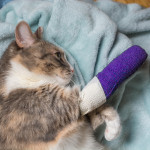
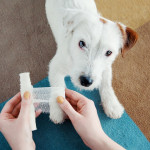
If there is persistent bleeding, pressure can be applied with a bandage. Do not remove the bandage to check it as this will increase blood loss. Have your dog checked by a Veterinary Surgeon as soon as practical and remember that tight bandages should never be left on for more than a couple of hours.
Never tie anything around a limb to stop bleeding.
Road Traffic Accidents and other Traumatic Injuries
If you think your dog has been hit by a car have him checked as soon as possible.
Internal bleeding can occur without showing any outward signs initially.
If you suspect your dog has a broken leg or head injury, you should carefully slide him onto a towel or blanket. Use this as a stretcher for transportation to the surgery and contact your vet immediately for advice.
Collapse
There are various possible reasons for collapsing many of which will require emergency attention, these include heart, lung, bone and neurological conditions. If your dog collapses please contact your vet immediately.

- Emergency care for dog owners
Download the leaflet

Seizures (Epileptic Fit)
When dogs have a fit, they may fall to one side, possibly lose consciousness, start shaking and their legs may “paddle”. In the event of a fit
Move any hazards to avoid further injury.
Stay clear of your dog's head.
Never attempt to put anything in your dog’s mouth as he may accidentally bite you.
Make sure the room is quiet and dark until he has started to recover and contact your vet for further advice.
Prolonged fitting is an emergency. You should contact your vet if you dog does not stop fitting within 5 minutes.
Poisons
Prescription drugs and some plants and flowers can be poisonous to dogs. If you think your dog may have ingested these please contact your vet immediately.
Vomiting and/or Diarrhoea
In otherwise healthy adult dogs with a single episode of vomiting and/or mild diarrhoea
Starve for 24hrs and give small amounts of water frequently. After this start a light diet (chicken, white fish, pasta) for 2-3 days before gradually returning to normal food.
Please contact your vet for advice if your dog has
Repeated vomiting or diarrhoea, especially in puppies, small dogs and old dogs.
Vomit or diarrhoea containing blood.
Your dog is trying to vomit unsuccessfully or his abdomen appears swollen. In this event contact your vet immediately as he may need urgent treatment at the clinic.
Sign up for our free monthly e-newsletter
View our Pet Help Articles