
Speak to our team
Do you need help?
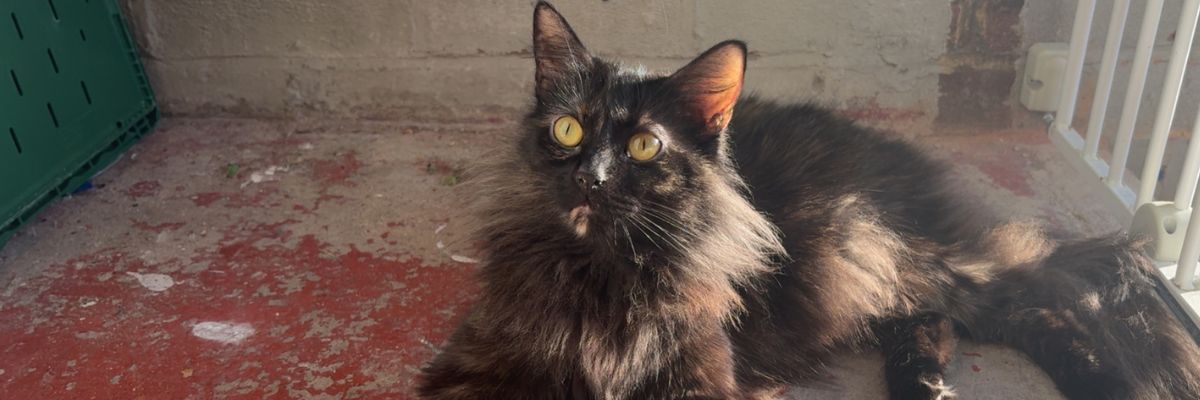
A critically ill cat was brought back from the brink of death after receiving an emergency blood transfusion from an unexpected donor – a dog called Gin.
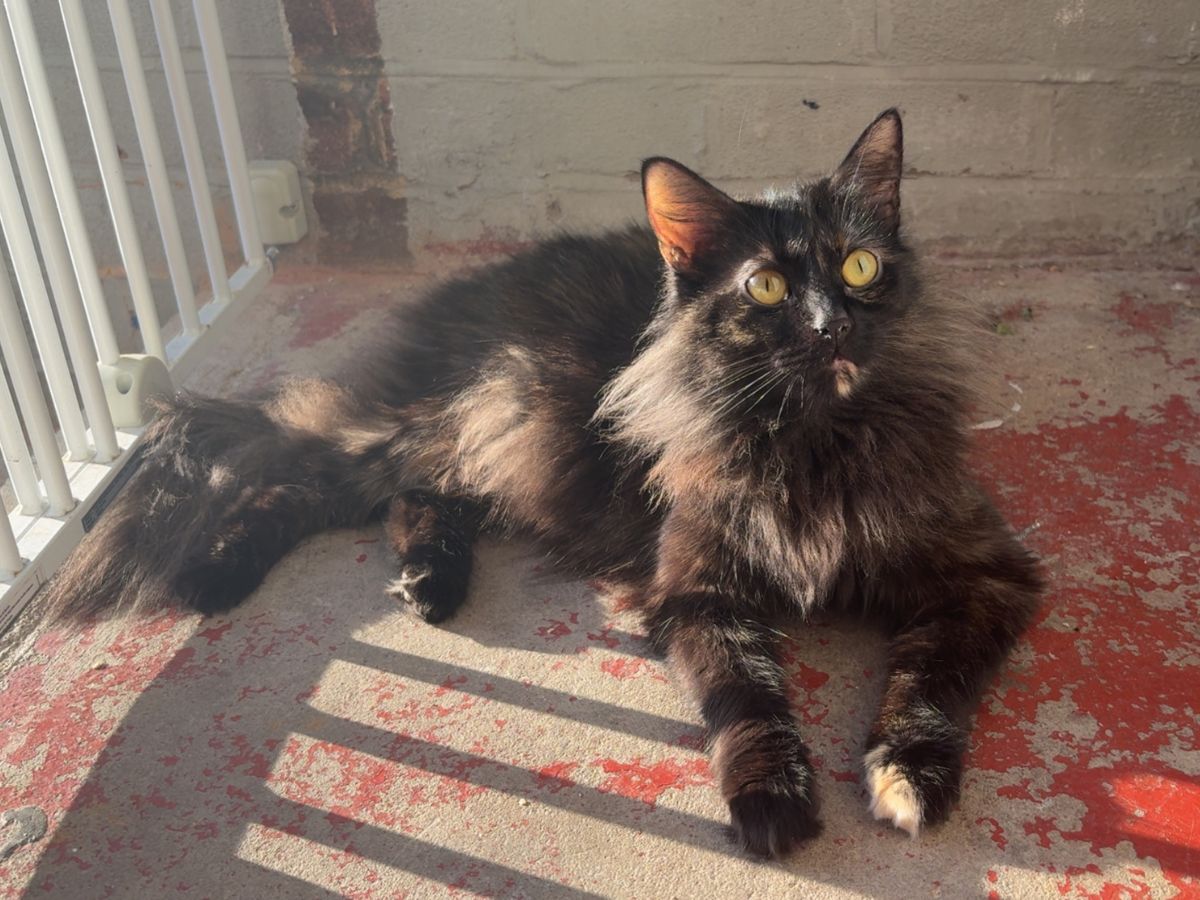
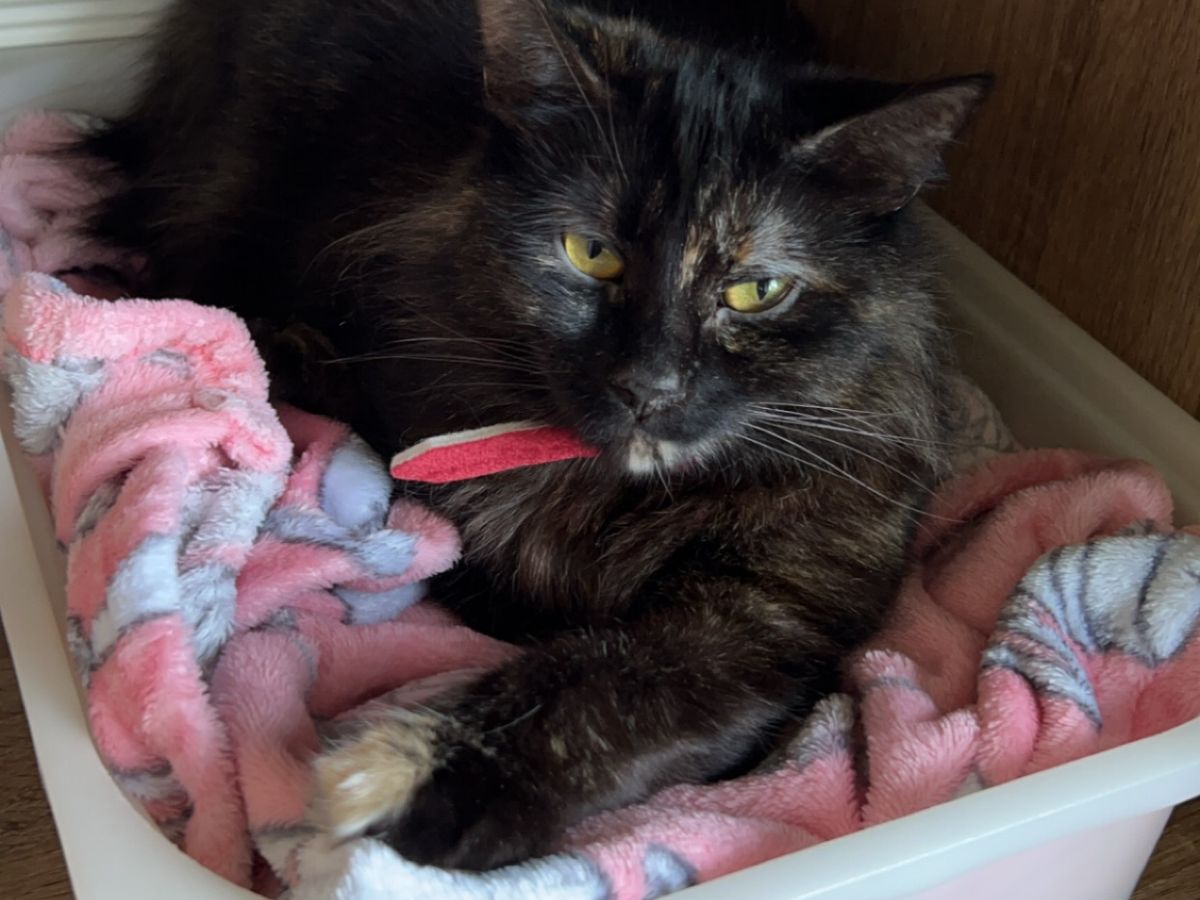
Two-year-old Rolo was rushed for emergency treatment after developing severe anaemia caused by a heavy flea infestation. By the time she arrived at our Vets Now Sutton clinic, she was too weak to eat or drink and had collapsed at home.
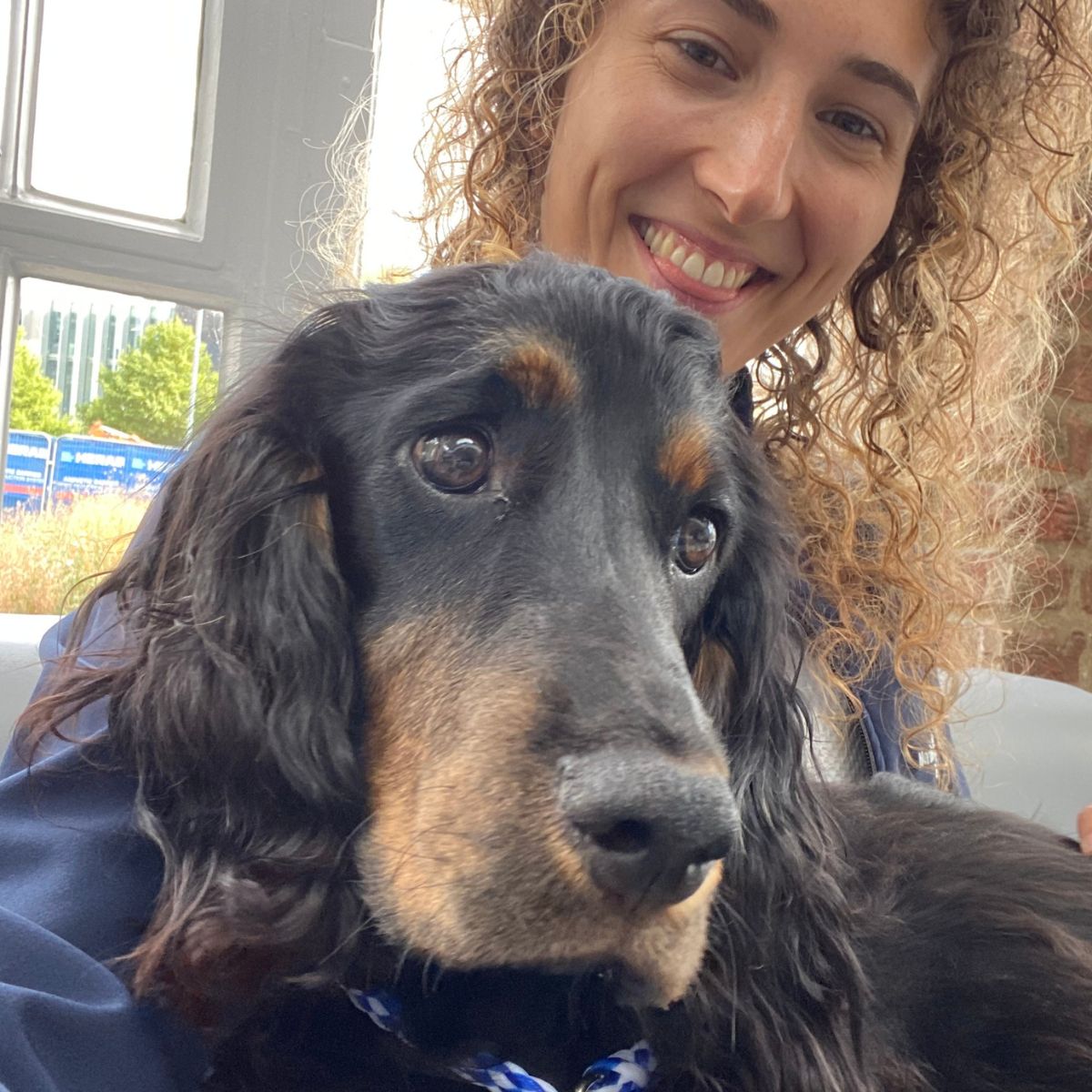
With no suitable feline blood immediately available, emergency vet Paige Walker turned to an unusual but recognised lifesaving option. Her own dog, Gin, became Rolo’s blood donor, helping save the cat’s life when every minute counted.
Thanks to quick action from our veterinary team and one very special cocker spaniel, Rolo has now made a full recovery.
How the emergency unfolded
Rolo’s owner, Louise Wood, had noticed her much-loved pet becoming increasingly unwell.
Despite carefully using over-the-counter flea treatments and regularly treating her home, Rolo had developed a severe flea infestation that led to life-threatening anaemia.
When her condition deteriorated and she became unable to eat, drink or move normally, she was taken for urgent veterinary care before being transferred to our Vets Now emergency clinic in Sutton, Greater London.
Emergency vet Paige Walker was on duty when Rolo arrived.
“Poor Rolo really was very poorly,” said Paige.
“She’d collapsed and her gums were very pale, which is a common indicator of anaemia.
“We carried out tests and discovered her red blood cell count was down to seven per cent – one of the lowest levels I’ve ever seen in an adult cat and far below the normal level of around 30 per cent.”
With Rolo’s oxygen supply to vital organs severely compromised, the team knew they had to act quickly.
An unusual lifesaving transfusion
The only realistic chance of saving Rolo was an emergency blood transfusion.
However, obtaining compatible feline blood at short notice can be extremely difficult, and none was immediately available.
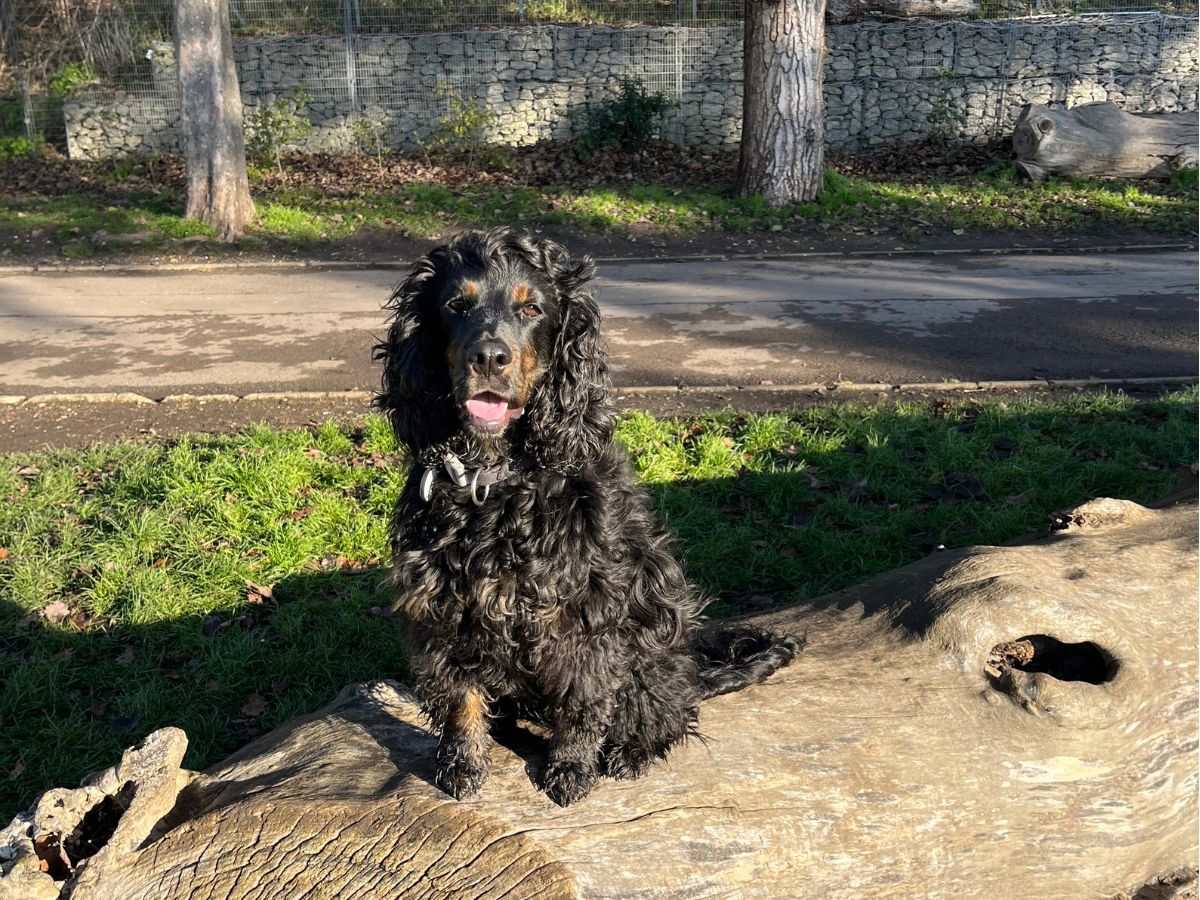
Fortunately, Paige happened to have her four-year-old cocker spaniel, Gin, with her at the clinic that Sunday afternoon.
While it may sound surprising, dog-to-cat blood transfusions can be used as a one-off emergency measure in carefully selected cases when no feline blood is available.
Paige explained:
“There wasn’t any cat blood available to us at that exact moment, and feline blood is extremely difficult to source.
“Luckily, Gin was with me at work that day.
“Although there are risks involved and there is never a guarantee of success, it was the only potential option available to keep Rolo alive.”
After careful preparation, the team collected 60 millilitres of blood from Gin before transfusing it to Rolo.
“Gin is a very healthy dog and that’s a relatively small blood donation for a dog of her size,” said Paige.
“Afterwards, she was rewarded with plenty of treats, which she was absolutely delighted about.
“Meanwhile, we monitored Rolo closely throughout the night to watch for any adverse reactions and to see whether the transfusion was working.”
A remarkable recovery
As the hours passed, the team began to see encouraging signs.
Rolo’s red blood cell count gradually started to rise and by the following morning she was stable enough to be transferred back to the PDSA before returning home later that day.
For owner Louise, the turnaround felt extraordinary.
“I really thought we were going to lose Rolo,” she said.
“It felt like we were saying goodbye to her at the vets.
“Paige was incredibly kind and explained there was a chance of saving her if we tried the transfusion.
“I had no idea a dog’s blood could ever be used for a cat. It just never crossed my mind.”
Louise added that she feels incredibly fortunate that Gin happened to be in exactly the right place at the right time.
“We were just so lucky that Paige had Gin with her that day.”
A cat named after a dog
Rolo has always held a special place in Louise’s family.
After being rehomed as a kitten, she quickly became an important part of everyday life.
Her name was inspired by Roly, one of the puppies from the film 101 Dalmatians, known for stealing food whenever he gets the chance.
“There’s a funny coincidence because Rolo is a cat named after a dog,” said Louise.
“And now her life has been saved by one too, which has to be pretty unusual.”
The importance of effective flea prevention
While Rolo’s story has a happy ending, her case highlights the serious health risks fleas can pose if infestations become severe.
Louise believed she was doing everything correctly by using readily available flea treatments and treating her home regularly.
However, some flea populations have developed resistance to older treatments, making them less effective.
Principal Vet Sam King said:
“Louise had clearly thought she was doing all the right things with what was available to her, but without success.
“This is quite a common issue. Fleas can develop resistance over time, meaning some over-the-counter treatments may no longer be effective, even when used exactly as directed.
“The most reliable protection is usually achieved using modern prescription-only flea treatments recommended by your vet.”
A grateful owner
Today, Rolo is back home in Carshalton and enjoying life as normal.
Louise says she will always be grateful to the team who helped save her cat’s life.
“I’m just so thankful to Paige, Sam and everyone involved in Rolo’s care,” she said.
“Without their help, we wouldn’t have Rolo with us today, and that just doesn’t bear thinking about.”
Rolo’s story is a reminder that severe flea infestations can quickly become life-threatening, and that seeking veterinary advice early can make all the difference.