
Speak to our team
Do you need help?
Key takeaways
- Choking is a life-threatening emergency often caused by something stuck in the throat, making your dog distressed and potentially making choking sounds.
- Watch for drooling, pawing at the mouth, gagging, or repeated coughing, and contact your vet immediately if your dog keeps trying to cough something up.
- Even if you use the Heimlich Maneuver, seek vet treatment for injury checks.
Is it an emergency when my dog is choking?
Choking in dogs is a common life threatening emergency, and recognising a choking dog, often due to a foreign object lodged in the throat or something wrapped tightly around the neck, is crucial.
It’s vital that you contact your vet or, your nearest out of hours service, immediately.
What are the signs of choking in dogs?
Signs include extreme distress, lots of drooling and pawing at the mouth, and some dogs may make choking sounds. Your dog may also rub his face along the ground, gag and retch. Coughing is often one of the first signs that your dog is choking, as they will attempt to expel the object stuck in their throat or mouth.
If the object is causing breathing difficulties, you may also see coughing and blue coloured skin and mucous membranes, which may eventually lead to collapsing.
If your dog stops breathing, it is a sign of a severe airway obstruction that requires immediate intervention. Severe distress in a choking dog may include the following symptoms: pacing, wide-eyed panic, and silent gasping or wheezing when breathing.
What to do if your dog is choking
Quick action is vital, particularly if there’s a breathing obstruction or constant gagging. Contact your vet or, out of hours, your nearest Vets Now, immediately.
First, open the dog’s mouth, pull the tongue forward, and sweep inside with your finger to try to dislodge any offending object, being careful not to get bitten. If you can see something in your dog’s mouth or throat, proceed with caution.
While first aid, such as the Heimlich manoeuvre, can be tried at home, it should not delay your journey to the vets and should not be continued for more than a minute or two – this can be the difference between life and death.
- Restrain your dog – choking dogs will struggle and potentially bite in their panic
- Carefully use a pair of scissors to cut any object wrapped around the neck
- Open the mouth and look inside
- Be aware that putting your fingers in the dog’s mouth can result in being bitten
- Never push at an object with your fingers if it’s lodged at the back of the throat
- Never stick your fingers down the throat if no object can be seen, as this may cause damage to the delicate tissues at the back of the throat

Is there a Heimlich manoeuvre for dogs?
If your dog has collapsed and cannot breathe, you can try a variation of the Heimlich manoeuvre.
For small dogs, hold his back against your stomach (head up, paws down), and find the soft hollow under the ribs. Your closed fist should fit into this spot. Pull up and in two or three times, toward your own tummy, using a thrusting motion. Alternatively, you can hold the dog on your lap, turn them onto their back, and apply pressure beneath the rib cage in a thrusting motion.
For dogs too large to lift, place him on his side and kneel behind his back. Place your closed fist in the hollow under his rib cage, and push upward and inward sharply, in the direction of your dog’s head and your knees.
Only ever do this in serious emergency situations, as it can cause chest damage or broken bones, and your dog will need to be checked by a vet afterwards for any bone injuries. In most cases, removing the obstruction allows the dog to resume breathing on his own. If it doesn’t work within one to two minutes, get to your vet as quickly as possible.
Preventing Future Choking Incidents
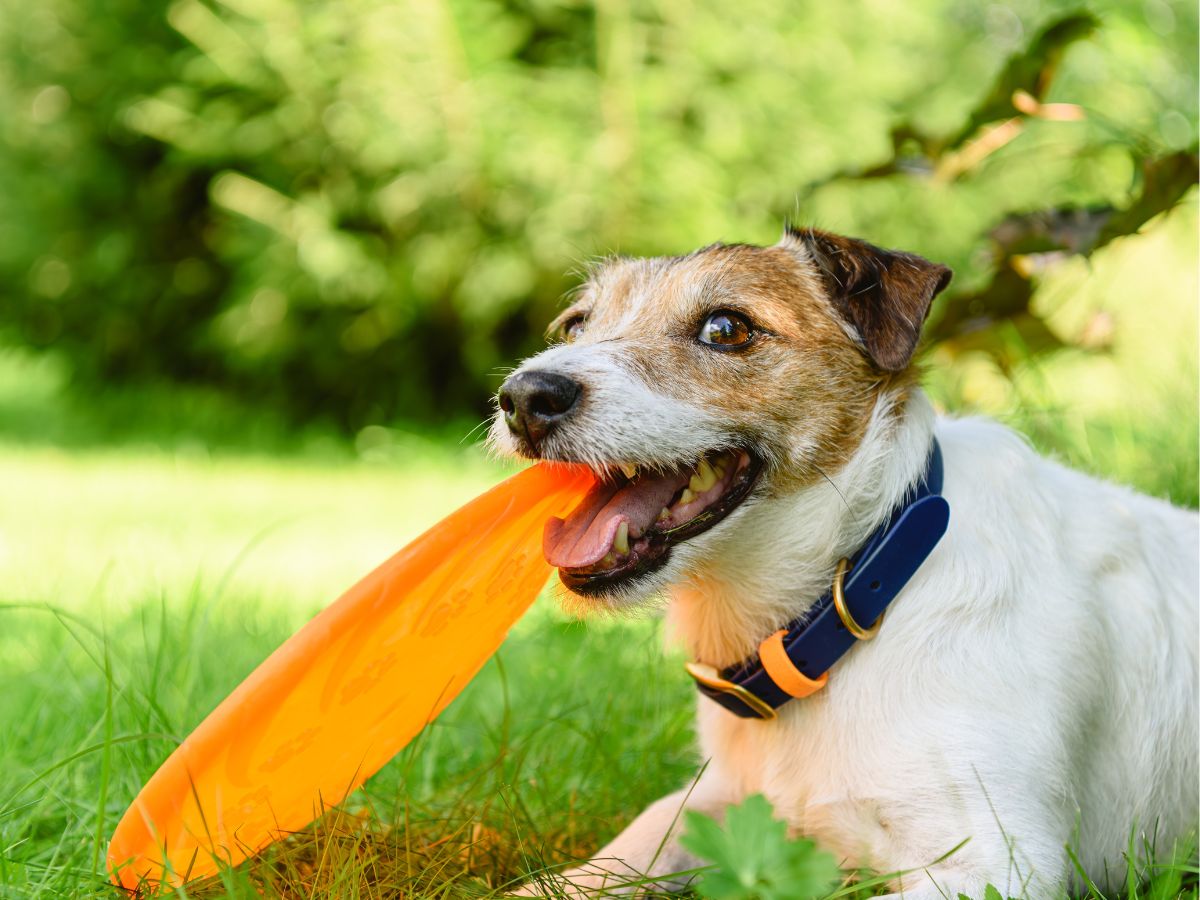
Prevention is key to keeping your furry friend safe from choking hazards. Dog owners should always supervise their dogs during playtime, especially when they play fetch or chew on toys. Choose toys that are appropriate for your dog’s size and avoid giving them small objects or bones that could become stuck in their mouth or throat. Regularly inspect toys for wear and tear, and replace any that are damaged or could break apart.
Dog-proof your home by keeping small items, household objects, and toxic substances out of reach. Learning dog first aid and CPR can also prepare you to respond quickly if your dog starts choking.
Many organizations offer in-person or online dog first aid training, which can give you the confidence to act in an emergency. By taking these steps, dog owners can reduce the risk of choking incidents and help ensure their pet’s health and safety for years to come.