

Sarah Guy had just poured the first glass of rosé in the late Mallorcan sun when the message came through. “Not to panic,” the text read, “but Nala has been bitten by a snake.”
For teacher Sarah, who was settling into a long-awaited holiday with her husband Julian, the words made her blood run cold. Three-year-old Labrador Nala was back home in Scotland, staying with close friends Sally and her 19-year-old daughter Olivia. What should have been an ordinary dog walk on the West Highland Way could cost Nala her life.
“She was being walked with a little working cocker,” Sarah, 58, recalls. “The two of them were sniffing about on the verge, then suddenly jumped back. There was no yelp, nothing to suggest anything was wrong. But Olivia went over, and she saw the adder. Thank God she did, because when a lump came up on Nala’s lip about an hour later, they knew exactly what had happened.”
It was the first day of their holiday. “I was so naive,” Sarah admits. “I thought she’d go to the vet, get the anti-venom, and that would be it. But I quickly realised it was far more complicated than that.”
Olivia and Sally took Nala to our Vets Now hospital in Glasgow for emergency treatment. The bite had begun to spread venom down Nala’s neck, which meant her fur had to be shaved to check for discolouration; an adder bite could cause the flesh to necrotise.
But before they could give the anti-venom, they had to be absolutely certain the bite came from an adder.
“Because it’s such a dangerous treatment, there’s a real risk of anaphylaxis. So, all the time I’m on the phone, in Mallorca, listening to these terrifying possibilities. It was awful,” she says.
“We had a sleepless night. She was on a drip, monitored all night in case her organs started shutting down or there was internal bleeding. At one point we were even asked whether, if it came to it, we would want her to be resuscitated. It was just horrible. I’ve been on the wrong end of that call before, and I couldn’t bear to go through it again.”
Two years earlier Sarah and her family had lost Otto, their beloved six-year-old Labrador, after he swallowed socks. “He was a regular sock eater, and usually they passed through,” Sarah explains. “But one time he swallowed two, and when they operated it caused terrible damage. He ended up dying of sepsis. We got the call at four in the morning, and it was devastating.
“When Nala was bitten, I kept waiting for that same call. I couldn’t imagine losing another dog.”
And if the cocker spaniel had been bitten, his size means he may not have survived, Sarah says.
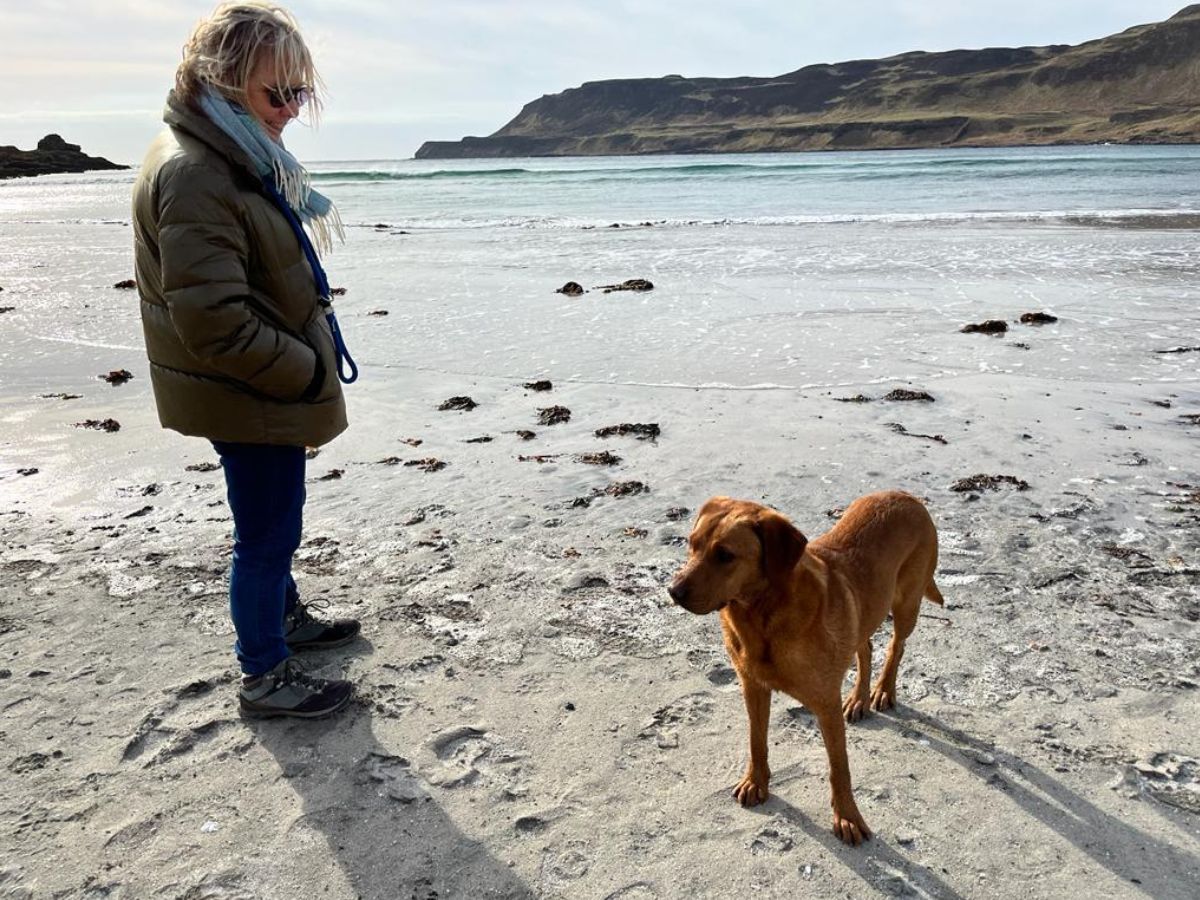
Our dedicated vet, Lara Brunori, who treated Nala, says that adder bites cause pain swelling, bruising and coagulopathy – problem with the blood’s ability to clot properly. In severe cases, or if there are multiple bites, dogs could theoretically bleed to death if untreated. If treatment is delayed, they can also develop multi-organ failure due to poor circulation and damage to blood vessels. But when treatment is given promptly, the prognosis is very good.
She explains: “Our main priority with Nala was to treat the pain, because the bites can be incredibly painful. We also checked her blood parameters, especially coagulation, because snake venom can affect clotting. In this case, there were some mild coagulation changes and quite a lot of swelling.
“When we see those signs, the first step is to give anti-venom, which we did promptly. We were very lucky, because it isn’t available everywhere. We’re one of the few clinics that keeps it in stock. Nala responded really well. Her coagulation levels returned to normal and the swelling went down nicely.
“Unfortunately, she then regurgitated and aspirated, which can happen with these injuries. Adders can cause gastrointestinal upset, nausea and increased gut motility, so vomiting and regurgitation are possible. We then had to treat her for aspiration pneumonia, but she responded well again.”
Nala spent four days in our hospital, and when she was finally discharged, the family’s ordeal wasn’t over. James, Sarah’s son had brought her home, but she started coughing, and the vet told him to bring her straight back in.
It emerged she had developed a secondary lung complication from the bite.
“That was another 48 hours of sheer anxiety,” Sarah remembers.
Looking back now, Sarah is in awe of the friends who acted so quickly. “Olivia is only nineteen, but she’s studying animal science. She was the one who saw the adder, who recognised immediately what it was. If they hadn’t noticed, we might not have realised until it was too late.
“Nala didn’t act like a sick dog at first. She wasn’t wagging her tail, which is unusual for her, but otherwise she seemed fine. That’s what’s so frightening. Owners could easily miss it.”
Sarah also credits our vets for their excellent care of both Nala – and her owners. “They were fabulous. They sent us photos while we were abroad, they let James visit her, and even though I know there were other animals in their care, it felt like Nala was the centre of attention. I’ll always be grateful for that.”
This summer has seen a surge in adder bites – possibly due to the excessive heat. “Our local vet said she hadn’t seen a case in fifteen years, then that week she saw four. And when I went to Vets Now in Glasgow a few weeks later, I met another owner whose dog had just been bitten,” Sarah says.
The European adder is the only venomous snake native to the UK. Adults are up to two feet long and have a black or brown zigzag pattern along their back and a V-shaped marking on the back of their head. They can be found throughout mainland Britain, most commonly on dry sandy heaths, sand dunes, rocky hillsides, moorland and woodland edges. Unfortunately, dogs are particularly at risk of adder bites due to their curious nature.
Sarah’s advice to fellow dog owners is be cautious and if you’re in an area where you know adders live, keep your dog on a lead.
“Warm sunny days, especially in woodland, are risky. Keep them on the lead, and don’t let them run in and out of the undergrowth. It’s not easy, I know, but I would avoid certain areas in summer if there’s a risk.”
For now, though, the family is simply relieved to have their dog home and well. “She’s back to chasing balls and rolling on the lawn. We’re just so grateful. Every time I look at her, I think how lucky we are. Lucky that Sally and Olivia were with her, lucky she got the right care and lucky she pulled through. And after losing Otto, that means everything.”
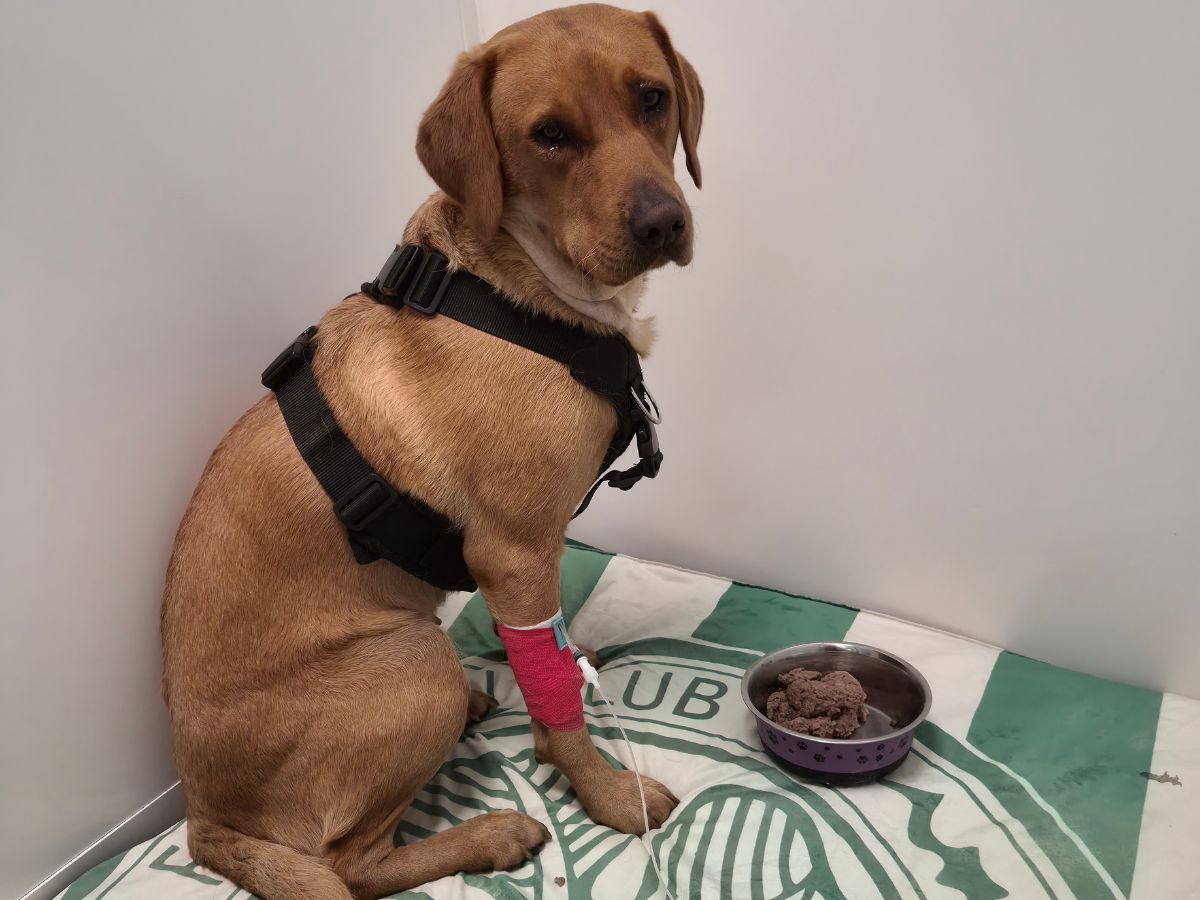
Lara Brunori, who treated Nala, has the following advice on what to do if your dog is bitten by an adder
“If you think your dog has encountered an adder, take him to a vet as quickly as possible. The sooner your dog sees a vet, the better their chances of making a full recovery.
Try to stay calm. Not only will it help you, but it will help your dog stay calm.
Carry your dog, with the bitten area elevated above the heart, if possible, to reduce the spread of the snake venom around your dog’s body.
Bathe the wound in cold water to help control the swelling.
Keep your dog warm, but not too warm, and quiet as you transport him to the vet.
Don’t attempt any first aid as this can do more harm than good.
Don’t squeeze, cut or suck the wound site.”