
What is myxomatosis?
Myxomatosis, or myxo, is a highly contagious, often fatal rabbit disease that's caused by the myxoma virus (a species of poxvirus). It arrived in Britain in 1953 and resulted in tens of millions of wild rabbits dying. Since then wild rabbits have developed a resistance to the disease but several deadly strains still exist and both wild and domestic rabbits are at risk. Some rabbits have been known to succumb to the disease within 48 hours of signs appearing while others have survived for several weeks before going into a coma and dying.
What to do if your rabbit has myxomatosis?
Myxo is life-threatening and, sadly, survival rates are very low in unvaccinated rabbits. In many cases rabbits stricken with myxo have to be put to sleep to alleviate suffering. You should contact your vet straight away if your rabbit is showing signs of myxomatosis or, if it's out of hours, call your nearest Vets Now pet emergency clinic or 24/7 hospital.
Is your rabbit displaying myxomatosis symptoms?
Find your nearest clinic for immediate treatment.

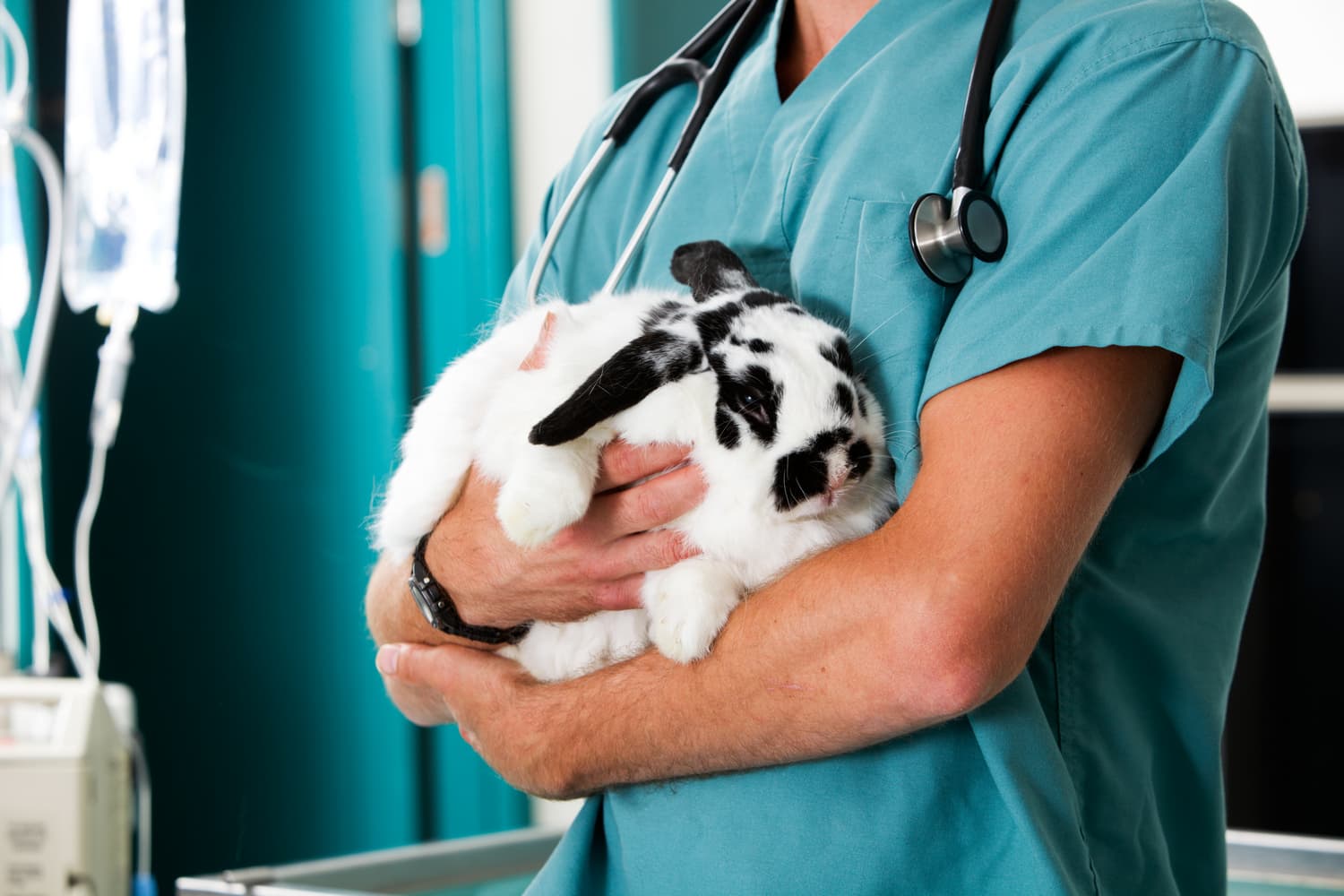
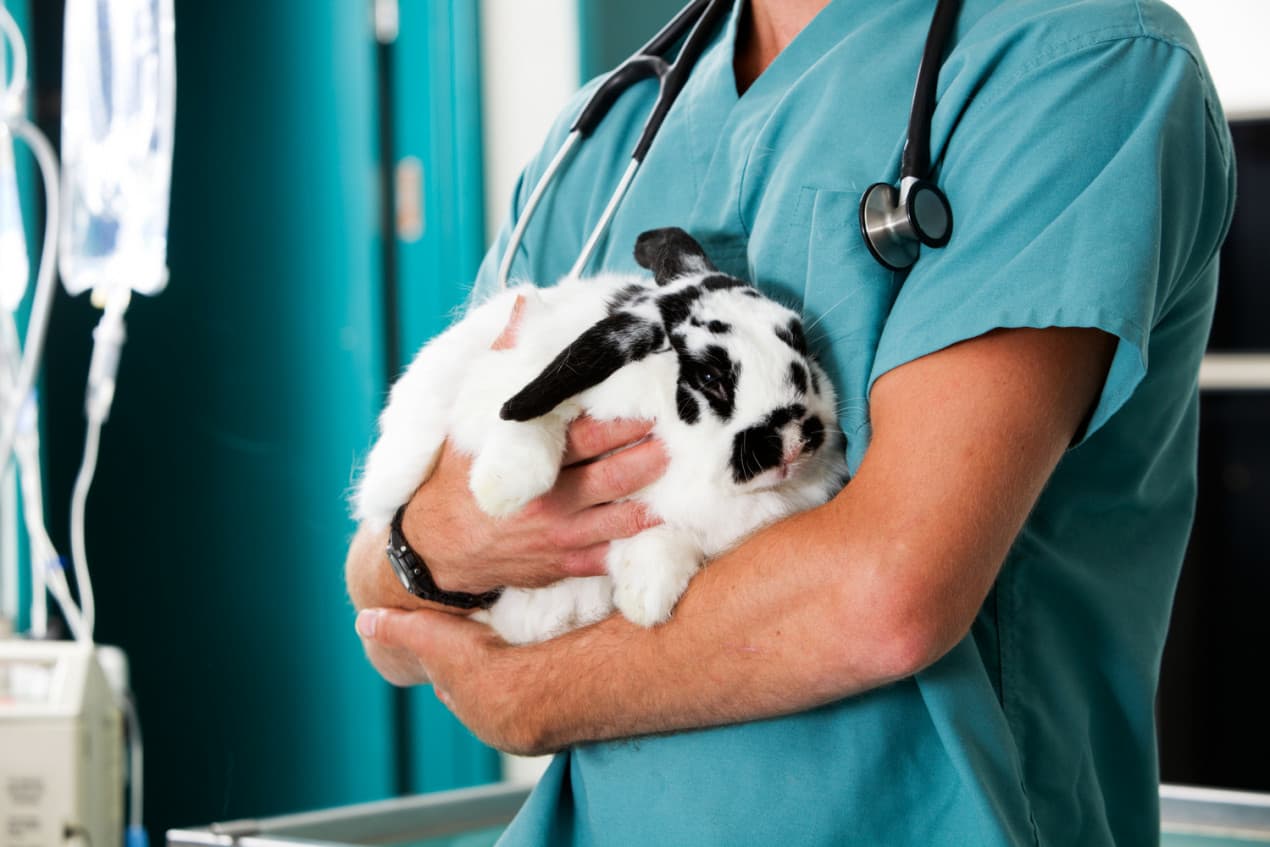
Myxomatosis is a highly contagious and often fatal disease in rabbits
Myxomatosis diagnosis and treatment
Your vet should be able to give you a provisional diagnosis based on your rabbit's symptoms and whether there are small swellings (nodules) on their skin. To make a definitive diagnosis, however, they may need to take a blood sample as well as examine the properties of the urine.
Myxo symptoms
Milky discharge from eyes
Fluid around the nose, lips and ears
small swellings on the skin
Listlessness
Lack of appetite
Fever
Depression
Drooping of the ears
Swollen head and genitalia
Pus coming from nose
Laboured breathing
There's no cure for this illness, and as it's usually caused by a virus, it can be challenging to treat so it's likely your vet will focus on making your rabbit as comfortable as possible. Euthanasia may be recommended.
How do rabbits catch myxomatosis?
Rabbits can catch myxo through direct contact with another infected animal and, in the 1950s, farmers deliberately placed rabbits with myxomatosis in healthy burrows in a bid to control the population. This practice was banned under the Pets Act 1954. These days myxo is usually spread through blood-sucking insects such as fleas and mosquitoes that have previously bitten an infected animal. It's also suspected that midges and mites may pass on the disease. All breeds of domestic rabbit are at risk.
There's no cure for myxomatosis, and as it's usually caused by a virus, it can be difficult to treat
How do I prevent my rabbit catching myxomatosis?
Make sure they're vaccinated. Prevention is the best form of protection. There is an annual jab that protects against both myxo and two strains of rabbit viral haemorrhagic disease (RVHD). Rabbits can be vaccinated from five weeks old. Speak to your daytime vet about safeguarding your rabbits from myxo and about the vaccine cost. Remember, to maintain protection, boosters are required every year. Bear in mind that rabbits can still catch the virus if vaccinated but signs are usually very mild and treatable.
Other myxo prevention measures
You should also change your rabbit's bedding and litter and clean and disinfect their living area regularly. Try to ensure biting insects are kept out of your rabbit's hutch, using insect-proof screens for example, and make sure you have a flea-control regime in place. If you're introducing new rabbits to the family, you should keep them in quarantine for at least a fortnight and never house wild rabbits with domestic pets.
To prevent myxomatosis, make sure your rabbit is vaccinated and clean their bedding and hutch regularly
Is myxomatosis contagious to humans?
No. While the myxoma virus can enter some human cells, it is not permissive to viral replication once there. As a result, myxo is not considered a zoonotic disease (which refers to viruses that can be spread from animals to people). Interestingly, academics at the University of Western Ontario have shown that the myxoma virus may have benefits for humans as it is able to infect and destroy human cancer cells.
Myxoma virus, what is it?
The myxoma virus, which causes myxomatosis in rabbits, is a species of the poxvirus family. It was first seen in laboratory rabbits in Uruguay in the late 19th century. In 1950, it was introduced into Australia in a bid to control the country's burgeoning but problematic European rabbit population. Two years later a scientist called Paul Armand-Delille released the virus on two rabbits in his small estate in northern France. It spread rapidly to rabbit populations across Europe, killing millions in its wake.
Authors and contributors

Disclaimer
Vets Now assumes no liability for the content of this page. This advice is not a substitute for a proper consultation with a vet and is only intended as a guide. Please contact your local veterinary practice for advice or treatment immediately if you are worried about your pet’s health, even if they are closed, they will always have an out-of-hours service available.