
What causes grass seed wounds in dogs?
Grass seeds, are, perhaps surprisingly, a fairly big cause of emergency admissions to many of our hospitals and clinics in the spring and summer.
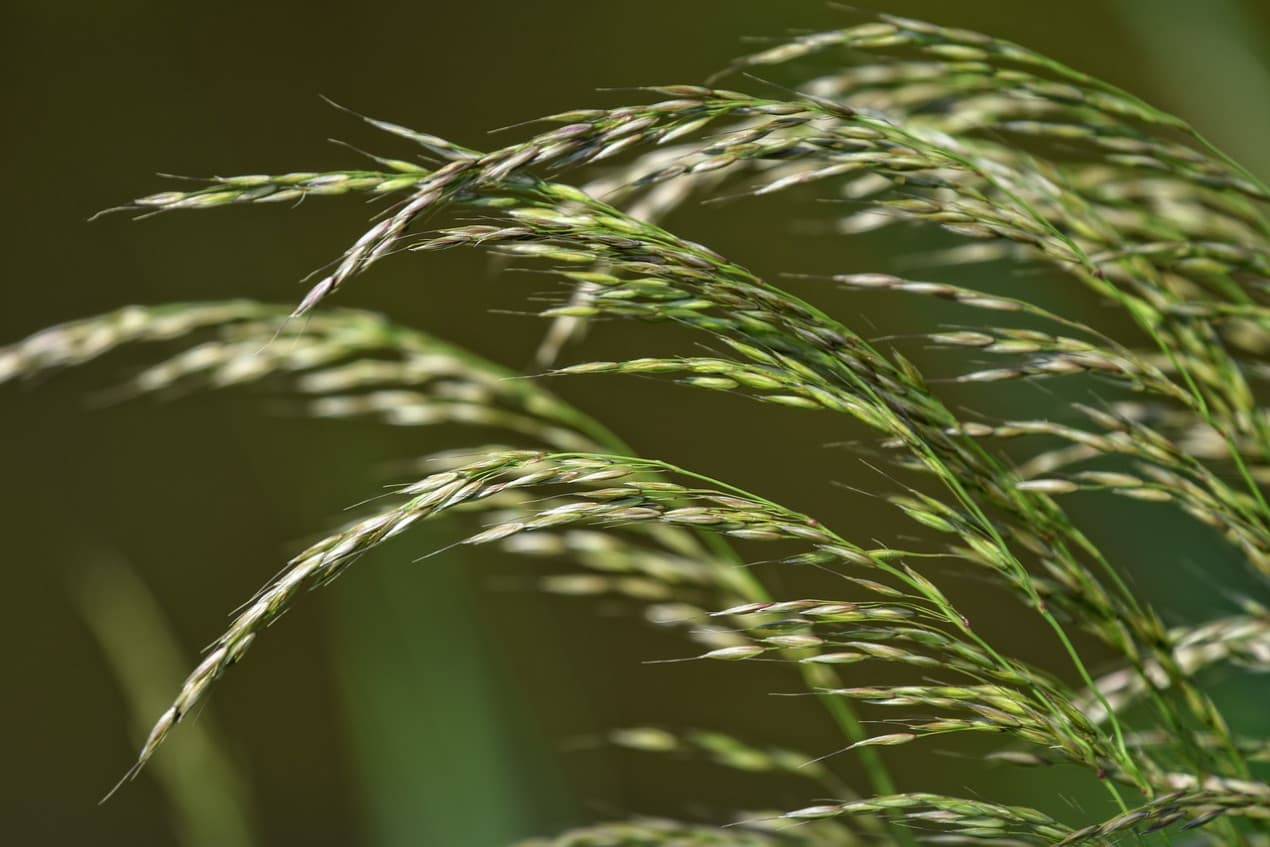
Also known as grass awns, these backward-pointing barbs, typically fall off long, wild grass, barley and rye, and embed themselves in a dog’s paws, ears, armpits, tail, or skin, sometimes causing painful wounds and infections. In rare cases, grass awns have also been known to burrow under the skin and travel to other parts of the body. All dogs can be affected but the most susceptible are those with feathery toes who enjoy skipping through long grass, such as springer spaniels.

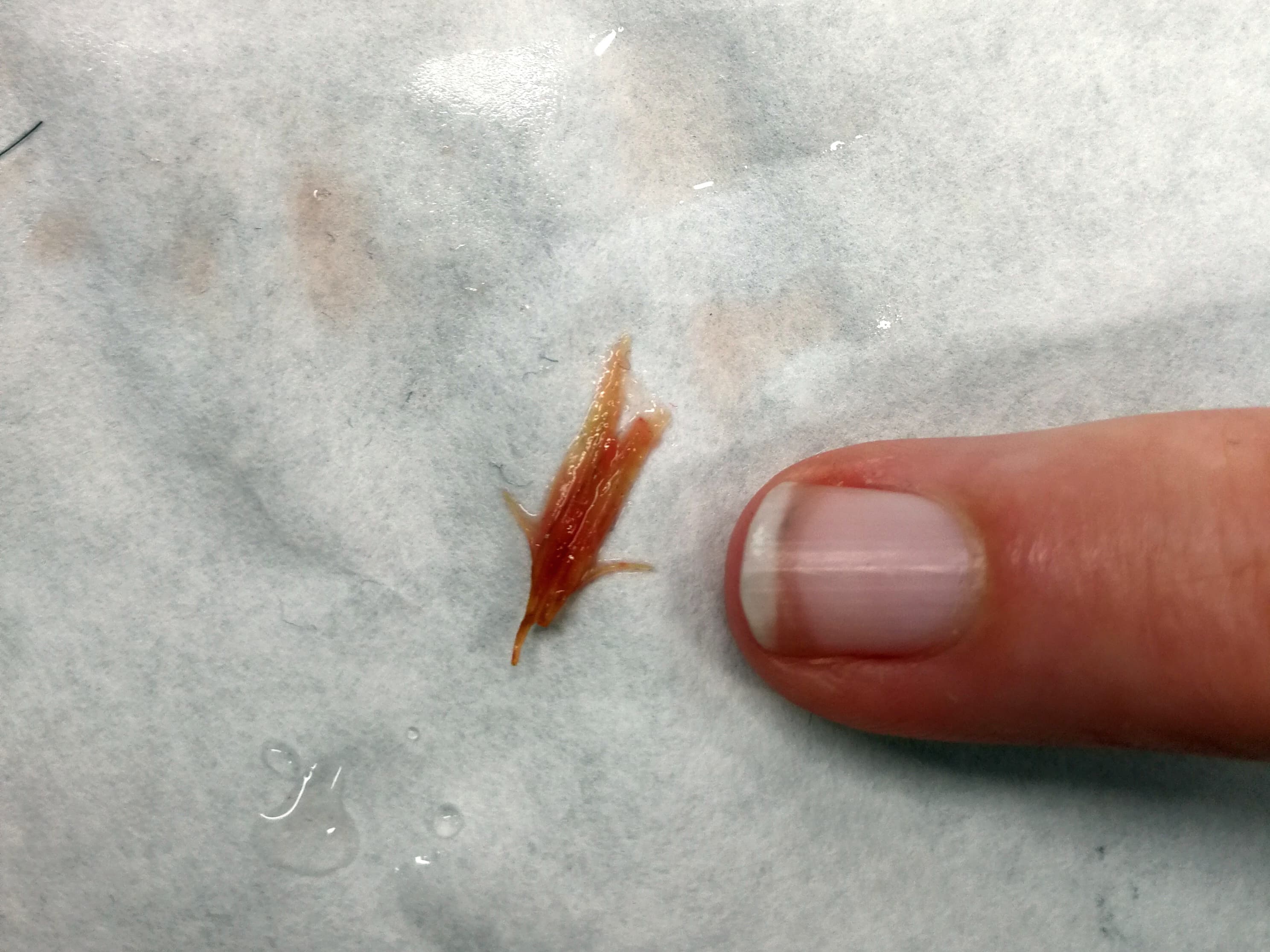
Despite being no bigger than a pinky nail, these tiny grass awns can cause severe pain
What to do if your dog suffers a grass seed wound?
Main symptoms
Grass seeds in dog’s ears
Head shaking
Redness and painful to touch
Holding the head to one side
Loss of balance
Grass seeds in dog’s eye
Swollen, red eye
Excessive tear production
Rubbing the eye
Grass seeds in dog’s paw
Licking at the toes
Red, swollen area on the foot and between toes
Limping or holding the leg up
Grass seeds in dog’s nose
Repeated sneezing
Bloody discharge from nostril
Rubbing face on the ground
Difficultly breathing
Grass seeds in dog’s skin
Swollen, red lump, with blood or pus
Dog licking continually at site
Grass seed sticking out from the skin
Grass seeds in dog’s genitals
Licking at the site
Difficulty peeing
Blood in urine
Redness and swelling
It’s important to remove grass seed from you dog as early as possible. If ignored they can cause a lot of pain and irritation. This is particularly the case if they’ve managed to migrate through the body or lodge themselves in your dog’s lungs. Both scenarios can cause serious infections and may be life-threatening. Seek advice from your vet about safe removal.
What are the signs of grass seed wounds?
The signs depend on what part of the body is affected. But look out for hair matting, irritation and swelling. Other typical signs include excessive or unusual scratching and rubbing, head shaking, limping or discharge from the eyes or nose. If the seed is lodged in your dog’s mouth, which sometimes happens when they chew an area of skin where seeds have become attached, they may lick excessively or show discomfort. Our table below provides more detail on the main symptoms of grass seed wounds.
Treatment for grass seed wounds in dogs
The best way to prevent injury from grass seed in dogs is to find and remove them as swiftly as possible. For example, a grass seed in the eye can cause serious damage to the cornea if left untreated. Unfortunately, however, removal is not always straightforward.
It’s likely your vet will carry out a full physical examination of your pet to confirm the diagnosis before getting to work on removing the offending seed. If it’s close to the surface of the skin and easily accessible they may use a specially-designed pair of tweezers to do this.
If your vet suspects a grass seed is lodged too deeply, is in a particularly sensitive area, or there is pus or blood oozing out of a wound, they may need to sedate your dog. If a grass seed is thought to be the source of pain or infection but cannot be found, surgery may be required.
Prevention and prognosis for grass seeds in dogs
In simple terms, avoid long grass in the warmer months, keep your own lawn tidy and check your dog thoroughly after a walk, by running your fingers through their fur and checking inside the ears, in between the toes, and in the mouth and eyes.
You should also try to ensure your dog is well-groomed, especially around the ears and feet. The main threat to your dog’s health from grass seeds is when they penetrate the skin, enter the lungs, or burrow themselves into the body.
Authors and contributors


Disclaimer
Vets Now assumes no liability for the content of this page. This advice is not a substitute for a proper consultation with a vet and is only intended as a guide. Please contact your local veterinary practice for advice or treatment immediately if you are worried about your pet’s health, even if they are closed, they will always have an out-of-hours service available.