
Why is my cat being sick?
Anything that irritates your cat's stomach or prevents the contents of their stomach from moving through the digestive tract can cause vomiting. Reasons for a cat being sick include hair balls, eating too much or too quickly, eating new or unusual food, an allergic reaction to food and parasites. Other causes include gastrointestinal conditions, pancreatitis, heat stroke and ingesting poisonous substances. While some of these issues are mild, others will require emergency veterinary treatment.
"Why is my cat being sick?" is one of the most common questions our vets are asked. Short-term cat vomiting (less than 24 hours) is generally for a mild reason and not a massive cause for concern, especially if your cat's health is otherwise fine. This may be down to a mild tummy upset.
Long-term or severe cat vomiting is a far bigger concern and if your cat keeps throwing up or you think it's something to worry about you should contact your vet or, out of hours, your nearest Vets Now pet emergency clinic, straight away.
If it's not an emergency but you would like some advice you can book an online video consultation with PawSquad's vets. Learn more here.
What can I do if my cat is being sick?
If your cat has been sick once or twice but otherwise appears well:
Remove food for two hours, but continue to provide water
After this time, try offering a teaspoon of their usual food or bland low-fat cooked food such as chicken or white fish
If they keep this down, offer small amounts every few hours for the next 24 hours
Then go back to your usual routine
If this does not resolve the sickness and you are concerned about your cat vomiting repeatedly, call your vet or, out of hours, your nearest Vet Now emergency clinic or 24/7 hospital immediately.
You should also contact your vet if:
Your cat cannot keep water down
Has blood or unusual material in her vomit
Has pale or cold gums
Is displaying signs of listlessness, diarrhoea, fever, or another illness
When should I worry about my cat vomiting?
We start to worry about cats being sick when they've vomited frequently in a single day or a couple of times over a few days. It's also a cause for concern when they stop eating altogether or will try and eat but bring the food and water back up. This can be considered an emergency because your cat isn't able to keep anything down and can quickly become dehydrated and lead to an issue with sugar. If your cat's vomiting is accompanied by any other symptoms such as lethargy, diarrhoea or pale gums, if there's blood in their vomit or they're showing signs of pain, don't delay in contacting your vet.

What are the signs of vomiting in cats?
What's making my cat sick?
Hair balls
Eating too much or too quickly
Eating new or unusual food
Poisonous substance ingestion
Parasites
Gastrointestinal condition
Pancreatitis
Allergic reaction to a food
Heat stroke
If your cat is going to be sick, you may see drooling, lip licking, excessive swallowing, retching and contractions of the abdominal muscles and diaphragm. Your cat may also hide away in a quiet area when she feels nauseous.
What are the signs of cat vomiting?
If your cat is going to be sick, you may see drooling, lip licking, excessive swallowing, retching and contractions of the abdominal muscles and diaphragm. Your cat may also hide away in a quiet area when she feels nauseous.
What are the main causes of a cat being sick?
While cats don't have the same reputation as dogs for scavenging, some do habitually eat things they shouldn't.
Common causes of cats being sick include swallowing foreign objects such as pieces of string, rubber bands and ribbons, dangerous human foods such as onions and chocolate, and poisonous substances such as antifreeze, plants and human medications.
Internal parasites and serious diseases such as cancer or diabetes are also reasons for cats throwing up. If your cat is being sick regularly, there may be an underlying problem that will need to be diagnosed by your veterinarian.
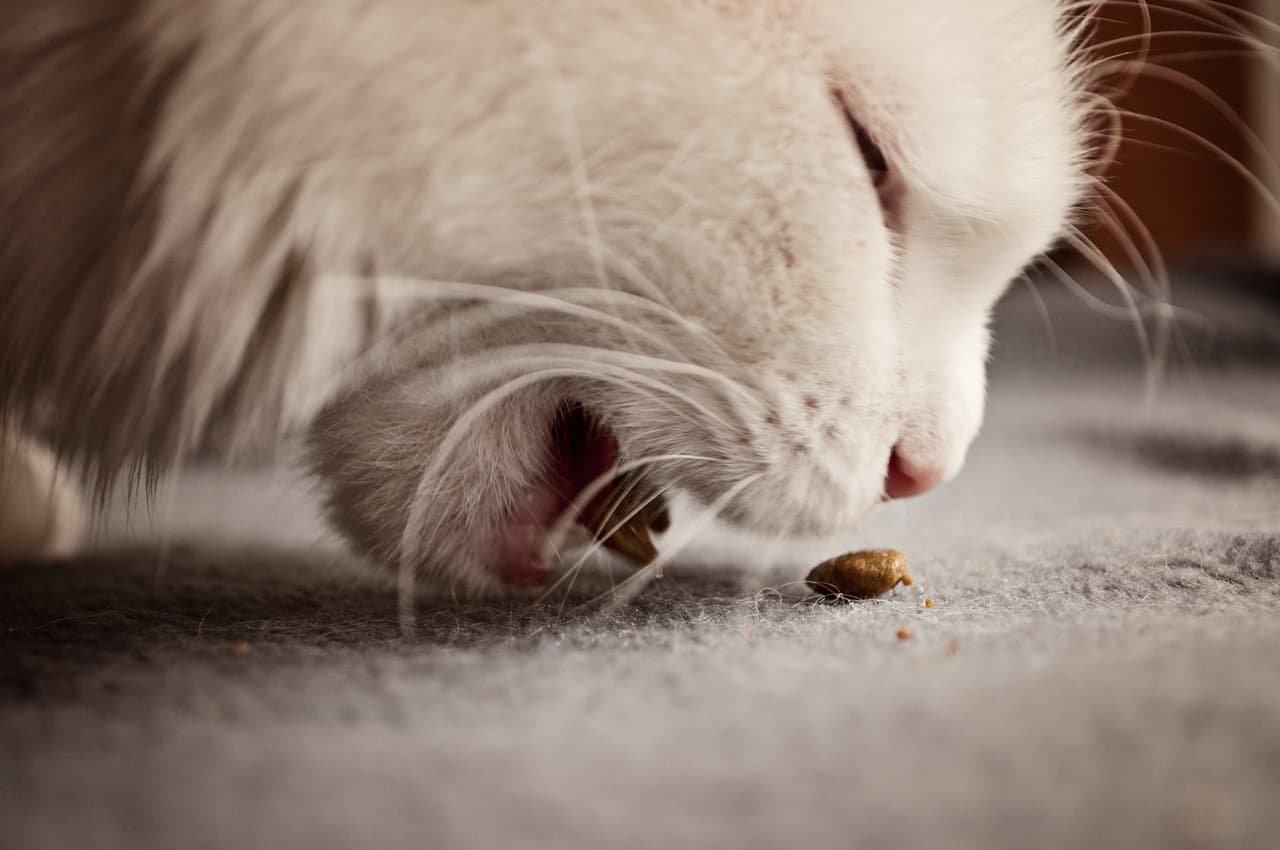
Common causes of cats being sick include swallowing foreign objects, dangerous human foods and poisonous substances
My cat keeps throwing up, are fur balls to blame?
Cats often vomit up hairballs. They develop these in their stomach through fastidious grooming. The fur they swallow can't be digested and often ends up forming into a congealed lump. These lumps of hair can be dangerous as they can lead to blockages and irritations. Owners can do their bit to prevent hairballs both being thrown up and being stuck in the digestive tract by introducing a strict brushing regime to remove loose fur.
Cat vomiting foam, what should I do?
Cat throwing up undigested food
There is a difference between vomiting and regurgitation. Regurgitation is when cats throw up undigested food, often with little or no effort.
This undigested food may be covered in mucus and shaped like a tube. Regurgitation is often brought on by coughing, difficulty breathing, oesophageal problems or foreign bodies.
If your cat is vomiting foam, it's likely to be bile. This is usually yellow or greenish in colour. Bile is an acidic liquid created in the liver and stored in the gallbladder until food has been ingested, when it's released into the intestine. Bile helps cats break down food. It can, however, leak into the stomach and cause vomiting. If your cat vomits bile persistently or their sickness is accompanied by other health issues such as diarrhoea, loss of appetite or lethargy, seek urgent advice from your vet.
My cat keeps being sick, what can I expect at the vets?
Your vet will check your cat over by performing a clinical examination and also ask you questions to see what you have observed at home. Since there are many possible reasons your cat may be vomiting, your vet may need to perform some further tests to work out what's going on. These might include blood tests, urine tests, x-rays or ultrasound.
Treatment will depend on the diagnosis but may include intravenous fluids – a drip – to correct dehydration or antibiotics if infection is suspected. She may also be given anti-vomiting medication, called antiemetics, and stomach protectants if it's appropriate. If a so-called foreign body is suspected, surgery may be performed to remove it.
How do I prevent my cat from being sick?
Many causes of cat vomiting cannot be prevented. But by removing any potentially harmful foods or objects from your cat's environment you can help to minimise the risk of foreign body ingestion or toxicity.
Authors and contributors


Disclaimer
Vets Now assumes no liability for the content of this page. This advice is not a substitute for a proper consultation with a vet and is only intended as a guide. Please contact your local veterinary practice for advice or treatment immediately if you are worried about your pet’s health, even if they are closed, they will always have an out-of-hours service available.