
Key takeaways
Metaldehyde slug pellets have been illegal to sell or use outdoors in the UK since 2022, but old stock left in sheds or garages can still pose a serious risk to pets.
Even small amounts can cause significant poisoning, and symptoms can appear within minutes and progress rapidly.
There's no specific antidote for metaldehyde poisoning, so urgent veterinary care is critical.
If you find old slug pellets at home, don't use them, dispose of them safely rather than leaving them in the garden or shed.
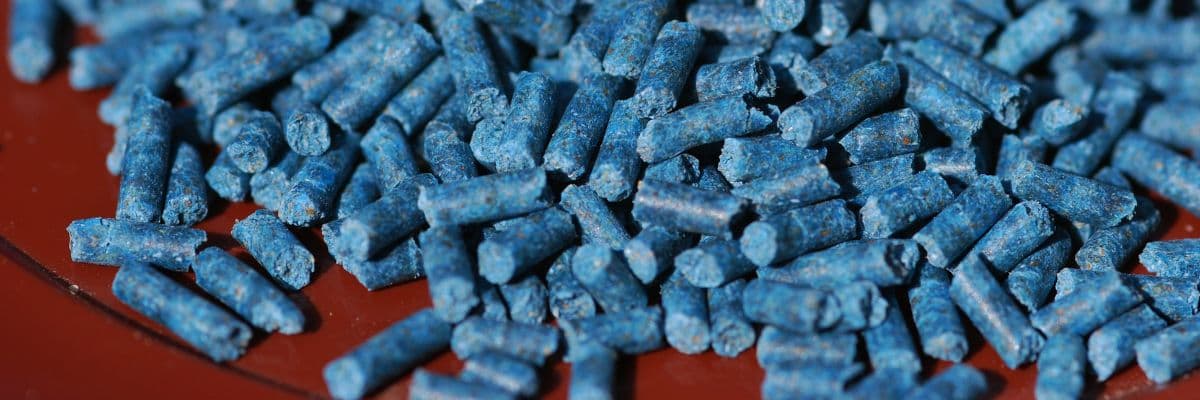
Metaldehyde, the chemical historically used in blue slug and snail pellets, has been banned for outdoor sale and use in the UK since 2022 due to the serious risk it poses to pets and wildlife. But if you've got an old tin sitting in a shed, garage, or greenhouse from before the ban, it can still cause serious illness or death in dogs and cats if eaten.
What are the symptoms of slug pellet poisoning?
Signs of metaldehyde poisoning include:
Sickness and diarrhoea
Anxiety
Drooling and panting
Wobbliness or appearing drunk
Severe tremors
Convulsions
High temperature
Early signs such as nausea, drooling and lack of coordination can progress rapidly to severe tremors, seizures, and a dangerously high body temperature, which can lead to organ damage, coma, or death if left untreated.
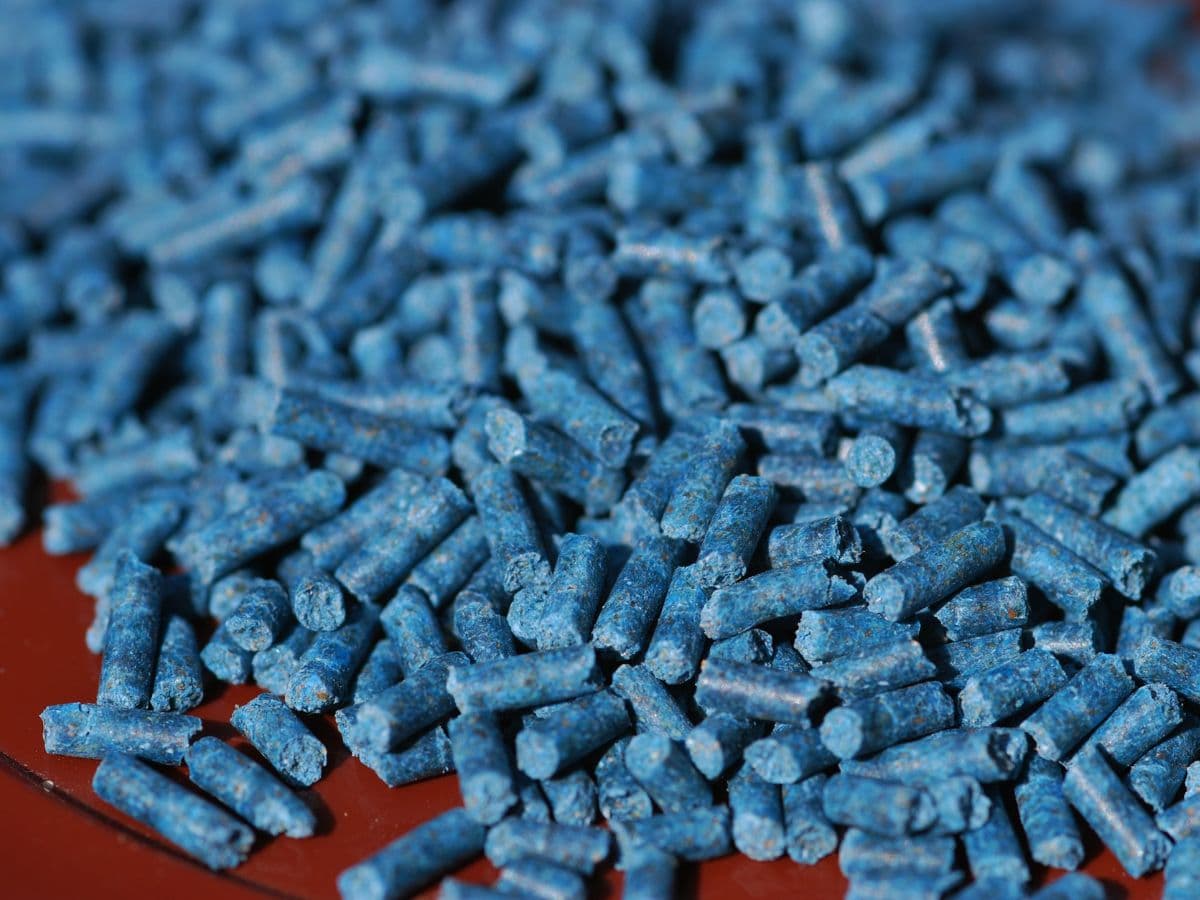
Slug and snail pellets contain a chemical called metaldehyde which is highly toxic to cats and dogs

What are the treatments for slug pellet poisoning?
Dogs or cats who have eaten slug pellets should be seen by a vet urgently. There is no specific antidote for metaldehyde poisoning, so treatment focuses on decontamination and supportive care.
Emergency decontamination, such as induced vomiting, gastric lavage, or activated charcoal, should only ever be carried out by a vet. Supportive care may also include cooling measures to manage a raised body temperature, along with intensive monitoring. Diagnosis may involve blood tests and analysis of stomach contents to confirm exposure. With prompt treatment, many pets make a full recovery.
What should I do if I find old slug pellets at home?
If you find metaldehyde slug pellets left over from before the ban, don't use them. Keep them well out of reach of pets while you arrange safe disposal, don't dispose of them in general household waste, contact your local council for guidance on hazardous waste disposal.
If your pet has already been exposed, wiping paws after contact with an area where old pellets may be present can help reduce the risk of them ingesting residue while grooming.
What should I use instead?
Iron phosphate-based slug pellets are now the standard, legal alternative and are considered safer for pets and wildlife.
If you think your pet has eaten any amount of slug pellets, no matter how small, contact your vet without delay, or if out of hours, contact your nearest Vets Now emergency clinic.
Authors and contributors

Disclaimer
Vets Now assumes no liability for the content of this page. This advice is not a substitute for a proper consultation with a vet and is only intended as a guide. Please contact your local veterinary practice for advice or treatment immediately if you are worried about your pet’s health, even if they are closed, they will always have an out-of-hours service available.