

What is kennel cough?
Kennel cough results from inflammation of a dog's throat, lungs and airways and is caused by various viruses and bacteria.
It causes a persistent, hacking cough that sounds like they're choking.
Other kennel cough symptoms include retching and gagging, runny nose, eye discharge, sneezing and in more severe cases, loss of appetite, listlessness, fever, pussy discharge from the nose and a chesty cough that produces phlegm.
It normally lasts for between one and three weeks but symptoms can sometimes linger for up to six weeks.
It is highly contagious but not normally life-threatening so, in most cases, emergency treatment is not required.
But it can, occasionally, progress to something more serious so be sure to keep a close eye on your dog.
Owners of elderly dogs, puppies and dogs with underlying health issues should monitor the condition closely as it can develop into pneumonia.
Call your daytime vet for advice if you're worried. You should always contact your vet or, out of hours, your nearest Vets Now pet emergency service, if your dog or puppy starts showing any of the more severe signs, such as fever, nasal discharge, lack of appetite or lethargy.

If your dog has a persistent cough they may be suffering from kennel cough

Kennel cough symptoms
Mild symptoms
Dry, persistent, hacking cough
Retching and gagging
Runny nose
Eye discharge
Sneezing
Symptoms of severe infection
Loss of appetite
Listlessness
Fever
Pussy discharge from the nose
Chesty cough that produces phlegm
Is kennel cough in dogs fatal?
While highly contagious, the condition is, in most cases, not serious and will improve on its own within a few weeks. There are exceptions to this, however, and owners of elderly dogs, puppies and dogs with underlying health issues should monitor the condition closely as it can develop into pneumonia.
How do dogs catch kennel cough?
Dogs catch the illness through contact with another infected animal or by inhaling the spray of an infected dog's cough. They can also catch it by eating and drinking from or even licking an infected bowl or toy.
Why is my dog coughing suddenly?
Most dogs will cough from time to time but if a cough comes on suddenly and is persistent or severe, you should contact your vet or, out of hours, your nearest Vets Now pet emergency service, as it may be related to something serious. For example, coughing is a common symptom of a collapsing windpipe as well as heart disease, chronic bronchitis and heartworm disease.
What causes kennel cough?
It involves a whole range of different viral and bacterial organisms. It's common for dogs and puppies to be infected by more than one at the same time. The most common combination is parainfluenza or adenovirus type 2 with bordetella bronchiseptica. Dogs who are stressed, malnourished, regularly subjected to cigarette smoke and dust, or who are exposed to sudden but significant changes in temperature or humidity, are often more susceptible to the condition.

The condition involves a whole range of different viral and bacterial organisms
You might also be interested in:
How is it diagnosed?
There's no specific test for kennel cough but you should get a fair idea of whether your dog has the illness from the symptoms they're showing (persistent, forceful cough but otherwise active and normal). If your vet asks you to bring your dog into the clinic, it's likely they will carry out a physical examination to try to rule out other potential causes of your dog's cough. Tests, such as x-rays, ultrasound and blood tests, may be carried out if there are concerns over the severity of the infection.
How do you treat kennel cough at home?
As long as your dog is fed a healthy diet and living in an environment that's clean, well ventilated and not too cold, they should recover from the condition within three weeks without veterinary treatment. In more serious cases, vets may prescribe cough suppressants and anti-inflammatories. Antibiotics will only ever be used if the infection is severe and is caused by a bacteria such as Bordetella bronchiseptica.
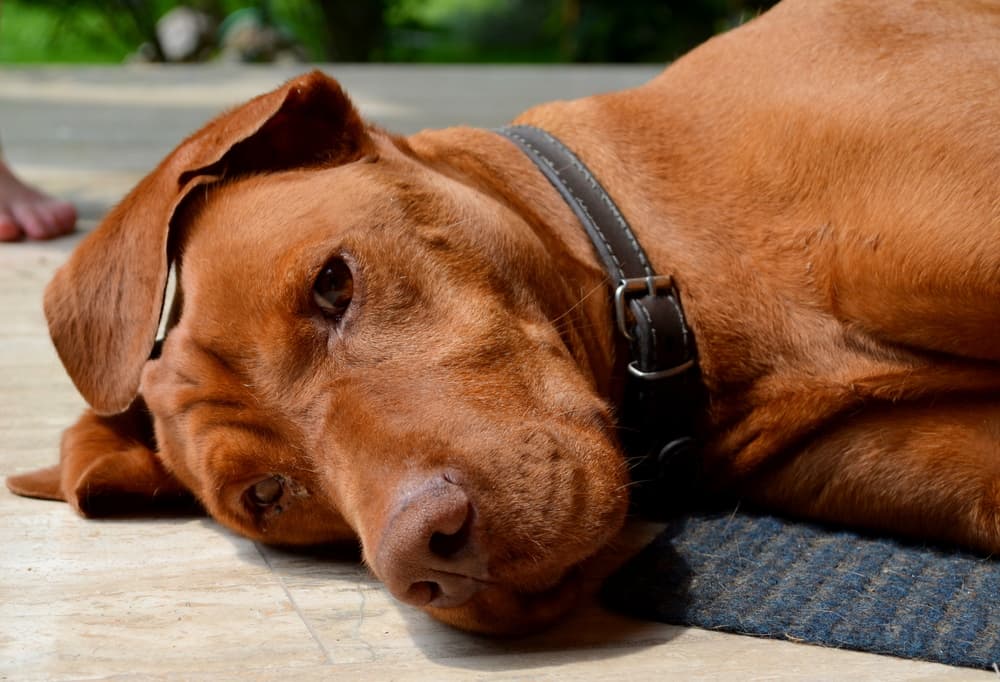
As long as your dog is well fed and looked after, they should recover from the illness
What is bordetella bronchiseptica?
Bordetella bronchiseptica is the bacteria that, more often than not, causes the disease in dogs. It can also infect cats, rabbits, and, in very rare cases, humans. All breeds of dogs are at risk from bordetella bronchiseptica, particularly those kept in close quarters such as boarding kennels or shelters, as it's so contagious. Infected dogs can shed the bordetella organism for up to three months following infection.
How long does kennel cough last?
Dogs suffering from the disease are typically sick for between one and three weeks but symptoms can sometimes linger for up to six weeks. The incubation period for kennel cough – that's the time from the moment of exposure to signs of it appearing – can be anything from two days to two weeks.
Prevention advice
There is a vaccination but it isn't included in the routine vaccines your dog gets as a puppy or in their regular booster shots. You should speak to your daytime vet about whether you need to safeguard your dog from the illness and about the vaccine cost. It may be required if your dog is due to stay in kennels. Other prevention advice is based mainly on common sense. For example, owners should ensure their dogs live in a low-stress environment that's comfortable and well ventilated and are fed a high-quality balanced diet.
Authors and contributors

Disclaimer
Vets Now assumes no liability for the content of this page. This advice is not a substitute for a proper consultation with a vet and is only intended as a guide. Please contact your local veterinary practice for advice or treatment immediately if you are worried about your pet’s health, even if they are closed, they will always have an out-of-hours service available.