
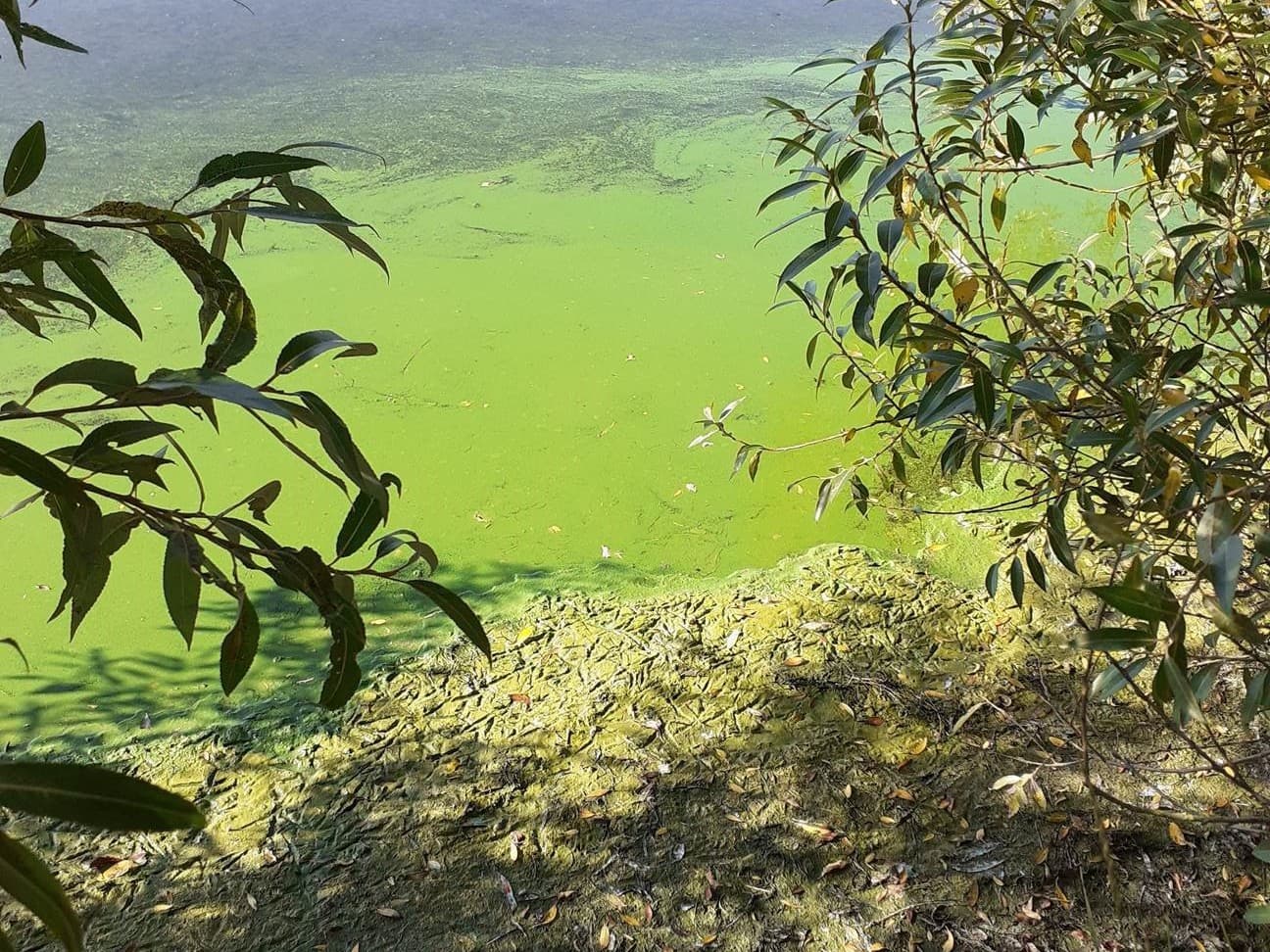
What is blue-green algae?
Blue-green algae — also known as cyanobacteria — are tiny organisms typically found in freshwater lakes, ponds, reservoirs and slow-moving rivers. The bacteria form on the surface of the water and bloom, to create a green, blue-green or brown-coloured scum or foam. Some blue-green algae are highly toxic to dogs.

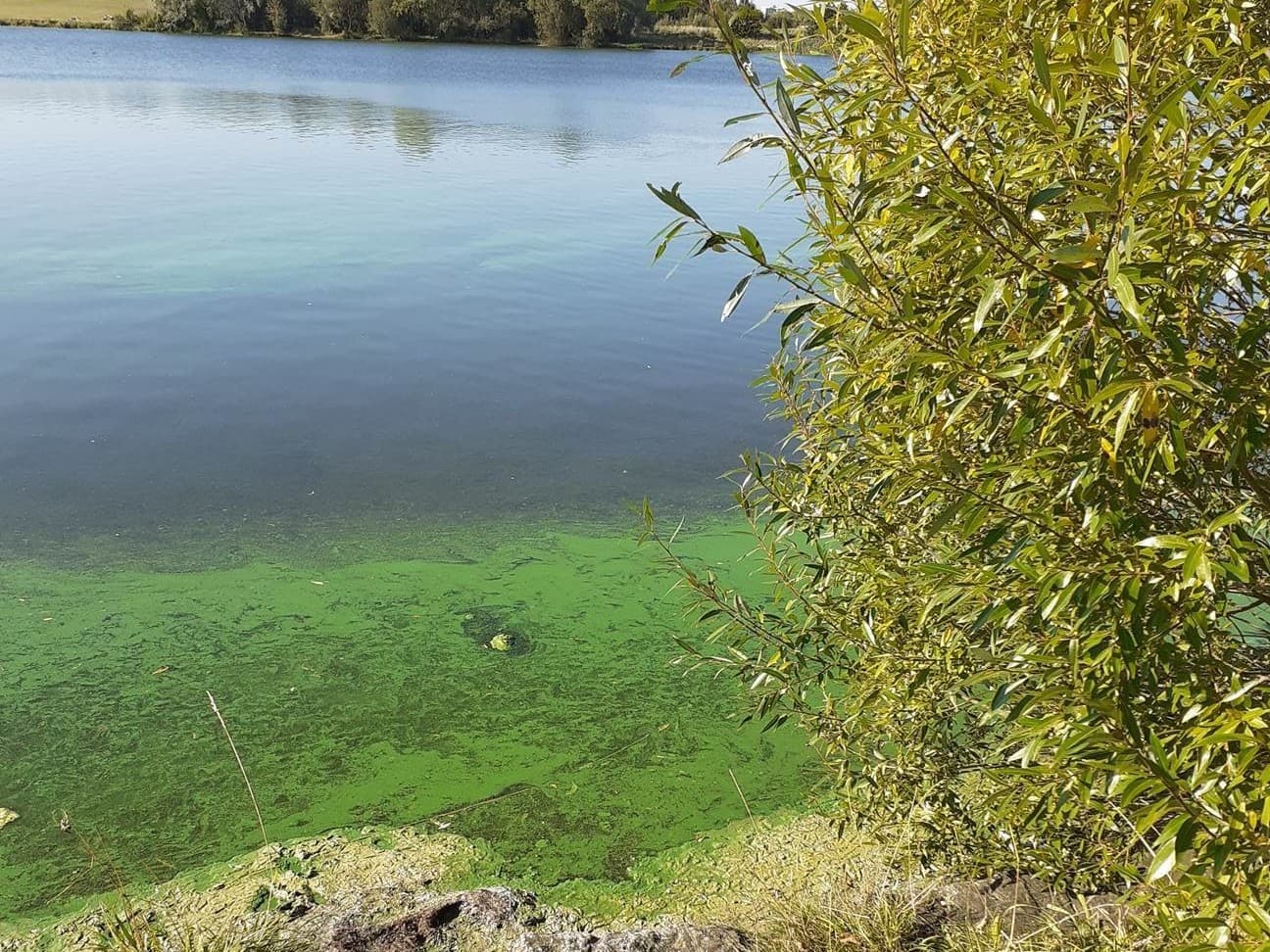
What causes blue-green algae?
Algae will only grow if conditions are right. It needs adequate nutrients, such as phosphorus and nitrogen, and temperatures need to be reasonably warm. The more nutrients there are in the water, the more likely it is blue-green algae will flourish.
Why is blue-green algae bad for dogs?
Some types of blue-green algae release toxins (such as microcystins and anatoxins) into the water. These toxins are not only highly poisonous to dogs when swallowed but are also dangerous for cats, horses, birds, cows and humans. Unfortunately, without laboratory analysis, it's impossible to tell which blue-green algae blooms are toxic and which aren't.
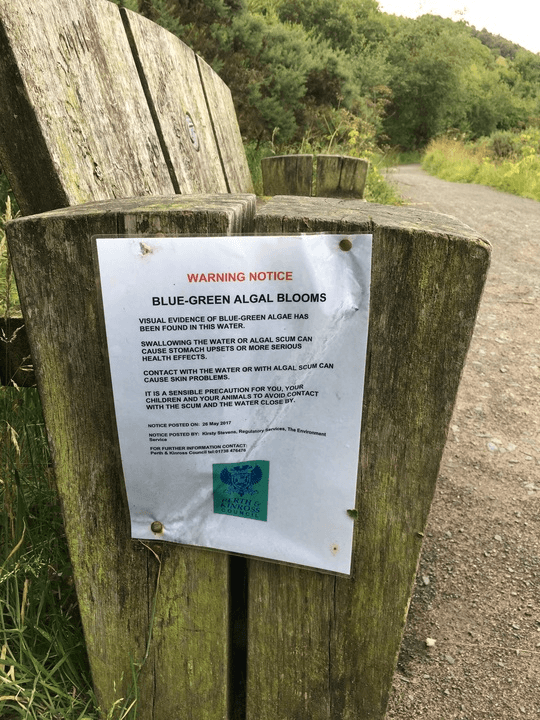
Notice of blue-green algae dangers to your dog when swimming in our rivers.
Blue-green algae dogs signs and symptoms
If a dog swallows algae containing a combination of the most severe toxins (neurotoxins and hepatotoxins), it may start showing signs within minutes. Signs in dogs exposed only to hepatotoxins can take between one and a few hours to show.
The most common signs of blue green algae poisoning include:
Vomiting
Diarrhoea
Disorientation/weakness
Breathing difficulties
Seizures
Blood in stools
Coma
Shock
If left untreated, exposure to blue-green algae can lead to liver damage and death within a matter of days.
My dog drank algae water, what should I do?
If you suspect your dog has been exposed to blue green algae, contact your vet straight away or, out of hours, your nearest Vets Now pet emergency clinic or 24/7 hospital. There is no antidote for the toxins produced by blue-green algae so early, aggressive veterinary treatment is essential for the best chance of success.
How will my dog be treated for blue-green algae poisoning?
This all depends on the toxins your dog has been exposed to. They will likely be given oxygen and intravenous fluids to help flush the toxins from the body. Your dog may also require intensive care and medication for seizures, respiratory distress or liver failure. Thankfully, surviving pets do have a good chance of recovery.
How can I prevent blue-green algae poisoning in my dog?
Never let your dog swim in or drink from water sources you suspect may be contaminated by blue-green algae, and if your dog has been swimming outside, always wash them thoroughly afterwards. Avoid going near any ponds or lakes that are known, or suspected, to contain blue-green algae and ensure your pet does not have access to contaminated water. Remember, algal blooms have even been known to appear in garden ponds. If there are blue-green algae warning signs in the area you're walking keep your dog by your side.
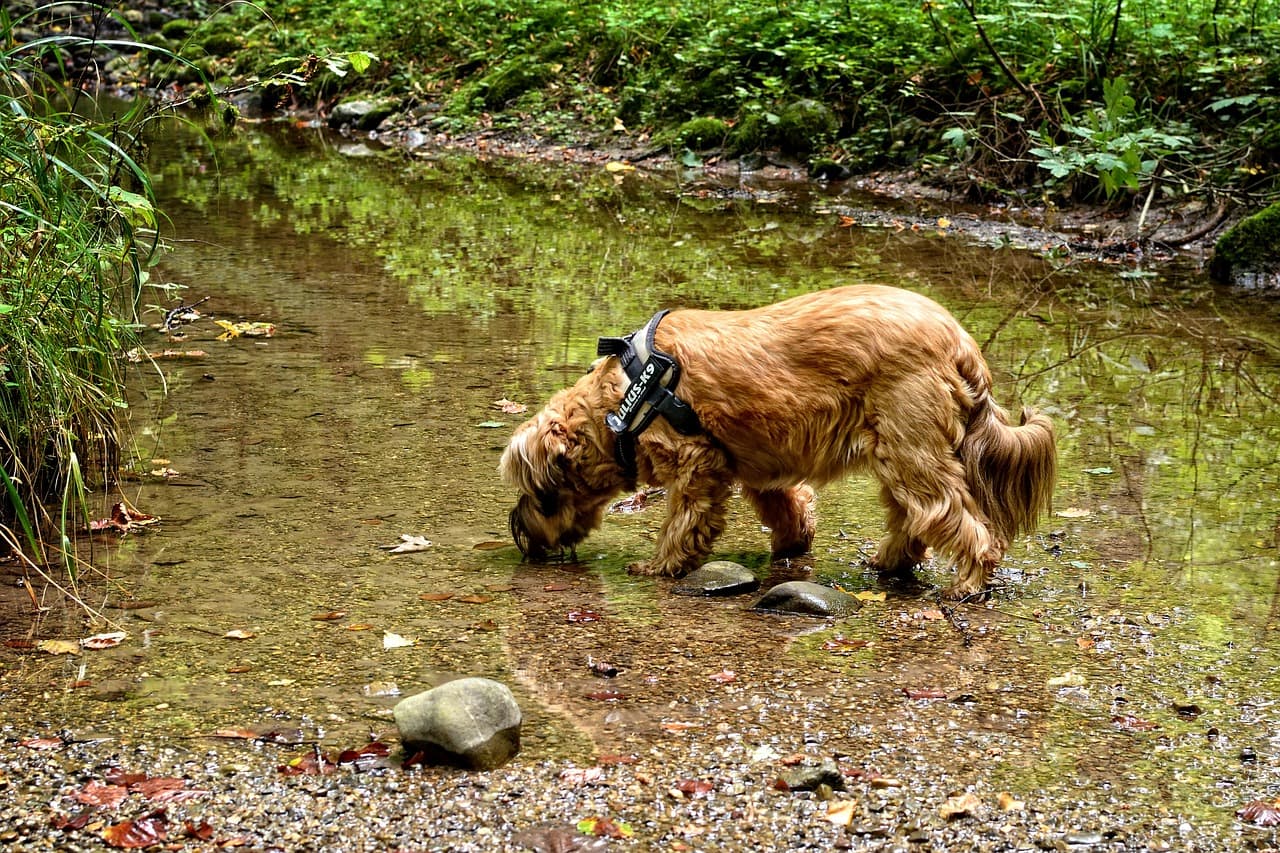
Blue-green algae poisoning can lead to liver damage and death within days if left untreated
Where is blue-green algae found?
Blue-green algae is most commonly found floating on the surface of freshwater lakes and ponds. However, toxic blooms are often blown to the edges – meaning dogs and other animals can be exposed to them even if they haven't gone in for a swim or paddle. Dog owners should also bear in mind that even if there's no visible scum or foam on the surface of the water, it doesn't mean blue green algae isn't present. It can be suspended at various depths, depending on the conditions. The bacteria has also been found on surfaces near water after being blown by the wind.
When are dogs most at risk from blue-green algae?
Blue-green algae most commonly occurs during the summer when rainfall is low, the sun is shining, and temperatures are higher – as this is when the blooms are more intense. Dogs who regularly swim or paddle in freshwater lakes and ponds are most likely to be exposed to algal poisoning. Many cases are the result of dogs inadvertently swallowing algae-contaminated water, but there have also been instances of dogs falling ill after licking their fur following a swim.
Watch Border collie Tala's story
Authors and contributors

Disclaimer
Vets Now assumes no liability for the content of this page. This advice is not a substitute for a proper consultation with a vet and is only intended as a guide. Please contact your local veterinary practice for advice or treatment immediately if you are worried about your pet’s health, even if they are closed, they will always have an out-of-hours service available.