
We all recognise that our pets slow down as they get older and we accept that this is a normal part of the ageing process, but the syndrome of cognitive dysfunction should not be overlooked, as with some appropriate intervention your pet may start to enjoy a better quality of life again.
What is dementia in dogs?
Essentially cognitive dysfunction is an inappropriate loss of mental function which is not associated with any other medical condition.
It is similar to dementia in humans and results in loss of perception, loss of awareness of and interaction with, the environment, memory and learning problems and decision making.
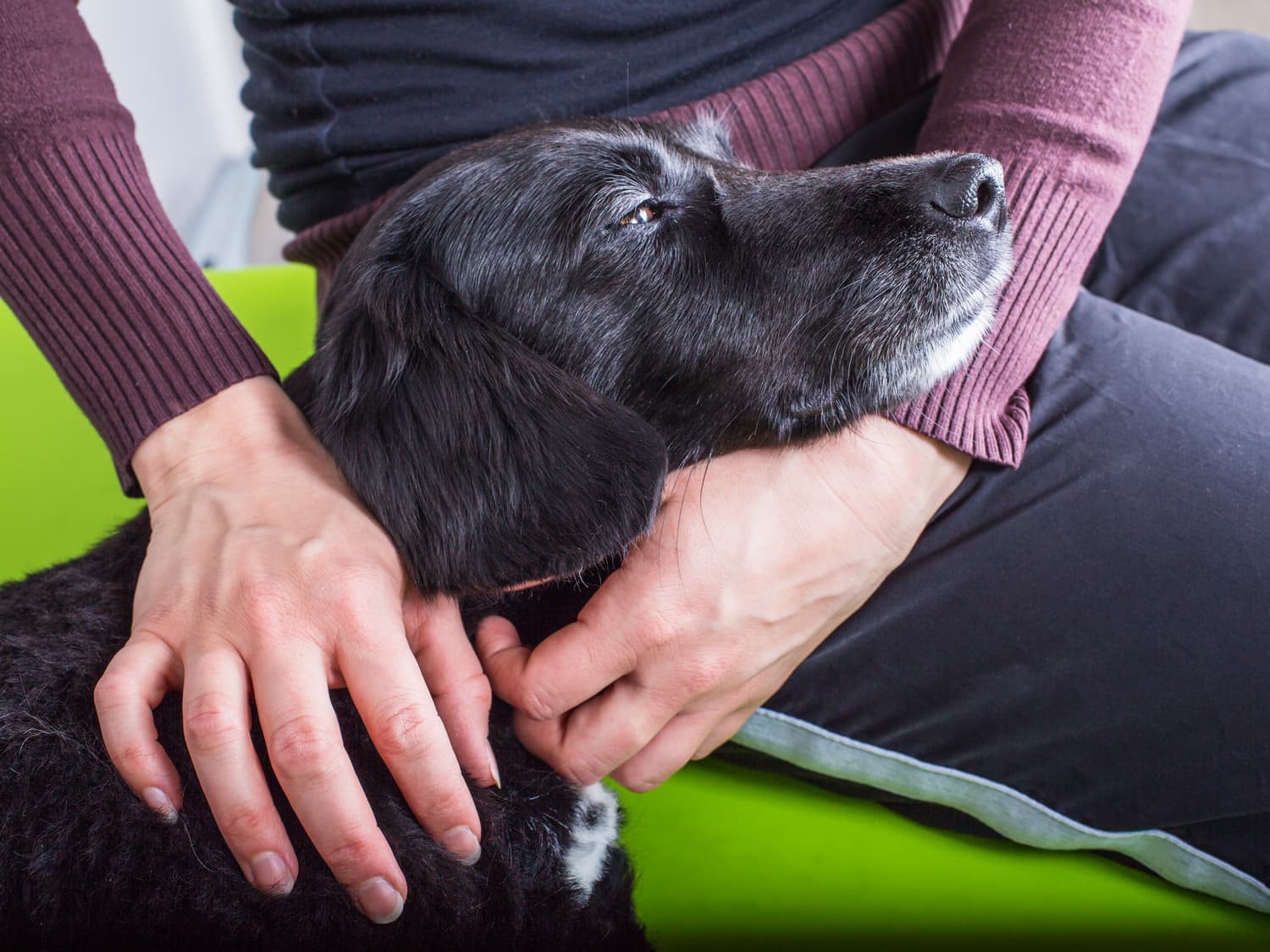
Dog dementia is similar to dementia in humans

Canine dementia treatment
Signs of dementia in dogs
Loss of recognition of people and places
Decreased interaction with people and other animals
Forgetting learned behaviours eg. house training
Disorientation
Changes in the sleep/wake cycle (seen as sleep disturbances)
New anxieties
Vocalising more than usual
If you are concerned that your dog may be affected, the first port of call should be with your vet. It's important that other medical conditions, which could affect mental function, are ruled out before a diagnosis of cognitive dysfunction can be made.
This will require a full physical examination along with a detailed history of when and what symptoms you have noticed. Your vet may also suggest running some routine blood and urine tests to rule out conditions such as diabetes, liver and kidney disease, underactive thyroid (hypothyroidism). If the behavioural issues are significant then a consultation with a behaviourist may be required.
Diagnosis of dog dementia
When a diagnosis of cognitive dysfunction is made there are several different approaches to treatment and, usually, a combination is most effective.
Firstly, your vet may suggest medical treatment to help improve mental function and restore some vigour. Alongside this, a change in diet may be recommended. As the goal is to limit further damage to neurons in the brain, the diet should include higher levels of antioxidants and some experts suggest the addition of omega 3 fatty acids. Supplements are also available to add into the diet to provide these factors.
In addition, your dog may need ongoing behavioural therapy – as it is very difficult to help dogs with cognitive dysfunction learn or re-learn behaviours.
Enrichment of the dog's environment may also play an important part in improving quality of life and stimulating cognitive processes. Providing new toys, increasing contact with people and other animals, taking walks in different places and maybe even getting a playmate can all be stimulating enough to help improve mental function.
Worried about your pet?
Video chat with a vet within minutes. Book now
Authors and contributors


Disclaimer
Vets Now assumes no liability for the content of this page. This advice is not a substitute for a proper consultation with a vet and is only intended as a guide. Please contact your local veterinary practice for advice or treatment immediately if you are worried about your pet’s health, even if they are closed, they will always have an out-of-hours service available.