
Speak to our team
Do you need help?
Key takeaways
- Corn cobs cannot be digested and can cause life-threatening blockages, this is a veterinary emergency, not something to wait and watch.
- Watch for vomiting, reduced appetite, lethargy, abdominal pain, or difficulty passing stool.
- Sweetcorn kernels are safe for dogs, the danger is the cob itself.
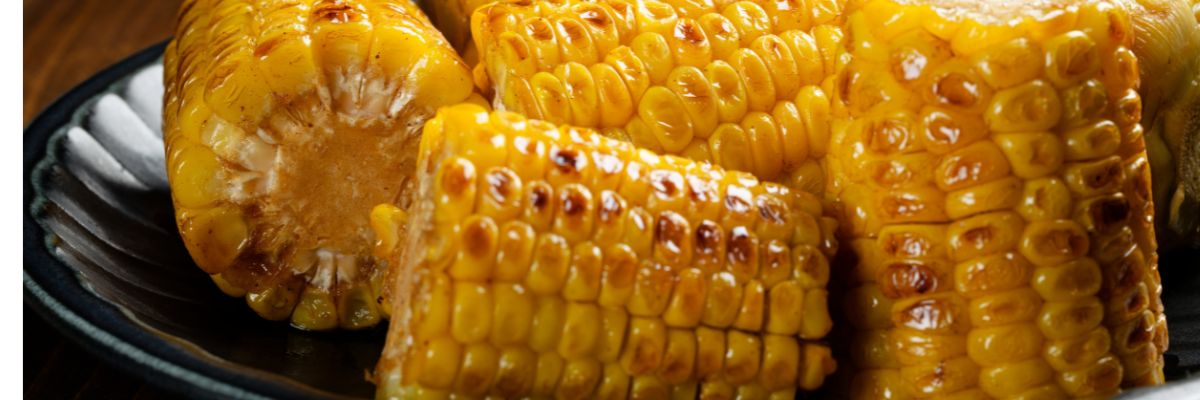
Corn on the cob might seem like a harmless leftover to toss to your dog, but it can cause life-threatening blockages in the intestines. Unlike most vegetables, corn cobs cannot be digested – meaning if your dog eats one, it’s a veterinary emergency.
Signs and symptoms of corn cob ingestion
Recognising the symptoms of corn cob ingestion is essential. Signs to watch include:
- Vomiting
- Reduced appetite
- Lethargy
- Abdominal tenderness or pain
- Your dog may also experience difficulty defecating or producing very small amounts of stool. If you observe any of these symptoms, immediate veterinary attention is needed.
Why sweetcorn is safe but corn cobs are not
Sweetcorn itself is actually a healthy option for dogs – the kernels contain protein, natural antioxidants and essential fatty acids. The key is making sure it’s taken off the cob before your dog gets anywhere near it.
What to do if your dog has ingested a corn cob
If your dog has eaten a corn cob, seek veterinary help immediately. Corn cobs are treated as foreign bodies, so your vet will perform a full physical examination and may also carry out blood tests, x-rays and an ultrasound.
Depending on the severity, your dog may need to go under general anaesthesia to have the cob removed. In the most serious cases, where the intestine has been damaged, it may also be necessary to remove a portion of it. The sooner treatment begins, the better the outcome for your pet.
What corn cob ingestion often looks like in practice
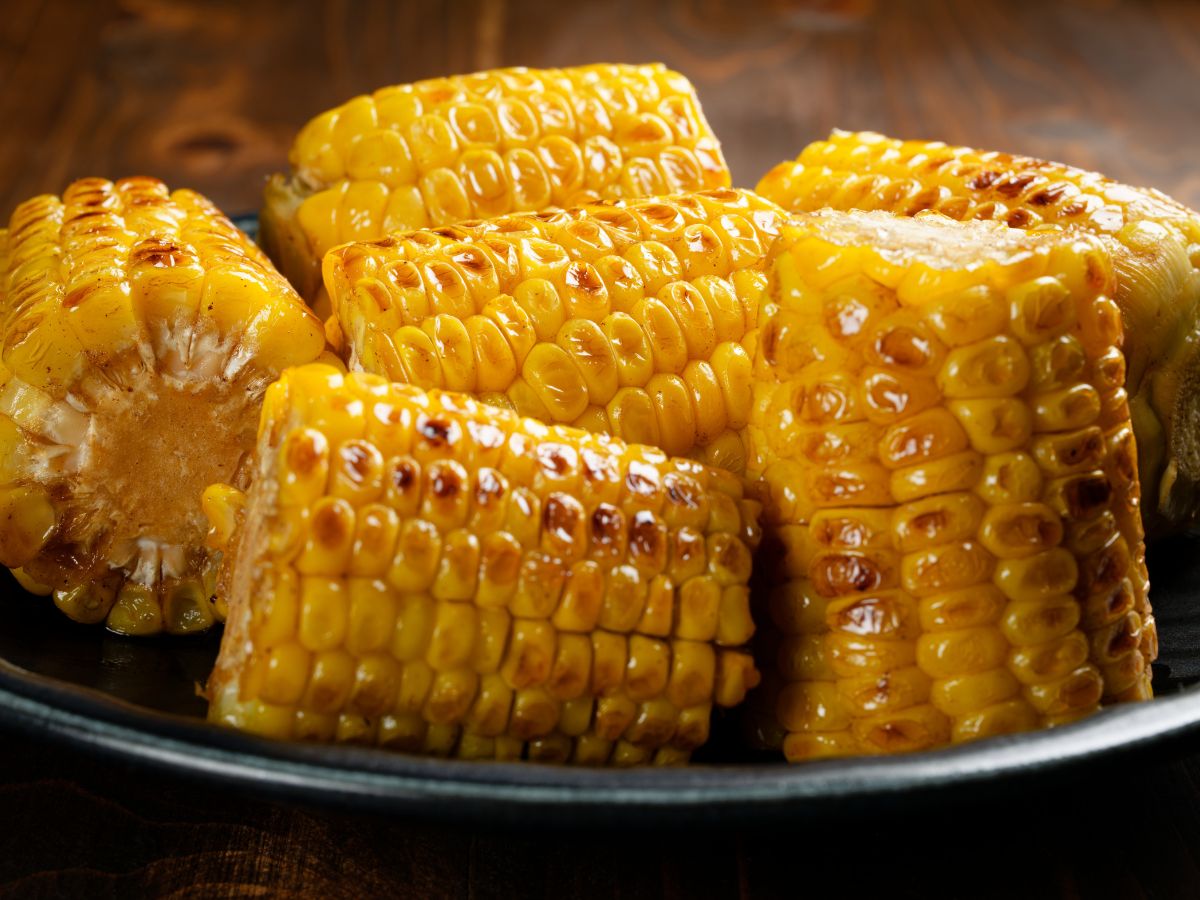
Dogs that swallow a corn cob are often initially unaware anything’s wrong, and symptoms don’t always appear straight away. In many cases, owners only notice something is wrong typically later that day or the following day, when their dog starts vomiting or becomes lethargic. A vet consultation and x-ray typically confirm the cob is still in the stomach, and emergency surgery is often needed to remove it before it can move further into the intestines and cause a blockage.
Dogs that are taken to the vet promptly, before the cob passes further into the digestive tract, generally have the best chance of a full recovery.
Keeping your dog safe around corn cobs
Corn cobs are particularly common at summer barbecues and family gatherings. Make sure cobs are disposed of securely where your dog can’t reach them, and let guests know not to feed them to your dog. Even a dog that seems fine after eating a cob should be assessed by a vet as symptoms can develop hours later.
If you’re worried your dog has eaten a corn cob, contact your vet immediately, or if out of hours, contact your nearest Vets Now pet emergency clinic.