
The festive season brings twinkling lights, beautiful decorations and plenty of excitement, but it can also introduce hidden dangers for our pets. From tempting tinsel to wrapping paper, many of the new things around the house that make Christmas special can pose risks to curious pets. Here are the key hazards to be aware of.
1. Christmas Trees
Christmas trees are a central part of the season, but they can be hazardous for pets. Real trees, such as fir and pine, contain oils that may irritate a pet's mouth and stomach if chewed, leading to drooling or vomiting. Fallen pine needles can also be harmful if swallowed, as they may puncture or cause irritation in the intestines. Curious cats and dogs may also try to climb or pull at the tree, which could cause it to topple and result in injury.
2. Glass Baubles and Fragile Ornaments
Shiny baubles and delicate decorations might look exciting but can cause serious harm if broken. Sharp shards may cut mouths, throats, or paws, whilst swallowed pieces may injure the digestive tract. Even intact decorations can entice pets to bat or chew at them, further risking the ornament breaking or being swallowed. It's important to be mindful of the kinds of decorations you're putting up around the house – consider opting for shatter-proof ornaments wherever possible.
3. Fairy Lights and Electrical Cables
Fairy lights are very tempting to curious pets. Chewing on wires can cause serious electric shocks or burns, and older, non-LED bulbs can get hot enough to burn if touched. Pets can also get tangled in trailing cables, which may lead to injury or choking. Make sure to always secure lights out of reach, unplug them when you are not around, and check wires regularly for any signs of chewing or damage. Battery-operated lights can be a safer alternative if the battery pack is kept well away from paws and mouths.
4. Tinsel and String-Like Decorations
Tinsel and other string-like decorations are irresistible to many pets, much like fairy lights. However, if swallowed, they can cause serious problems. Tinsel can can get stuck in the stomach or intestines, leading to blockages that may require emergency surgery.
5. Salt Dough Ornaments
Hand-made salt dough ornaments are a fun and festive craft, but they can pose a hidden danger for pets. Made from flour, salt and water, these decorations contain high levels of salt that can be toxic if ingested. Curious cats or dogs may mistake them for a treat, and even a small piece can cause vomiting, excessive thirst, lethargy, and in severe cases, seizures or kidney damage due to high sodium levels in the blood. Always keep salt dough ornaments well out of reach, including older decorations that may have been stored for years, and contact your vet immediately if you find your pet to have eaten any.
6. Wrapping and Gift-Related Hazards
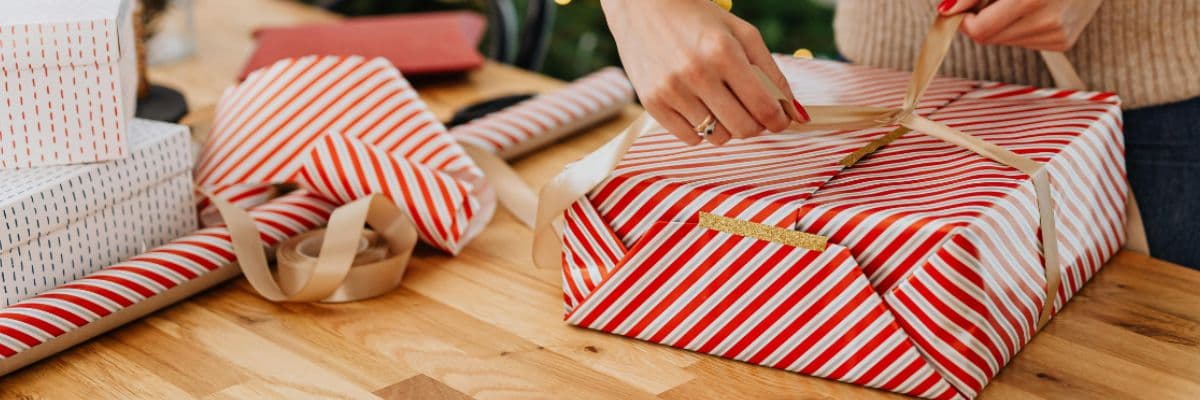
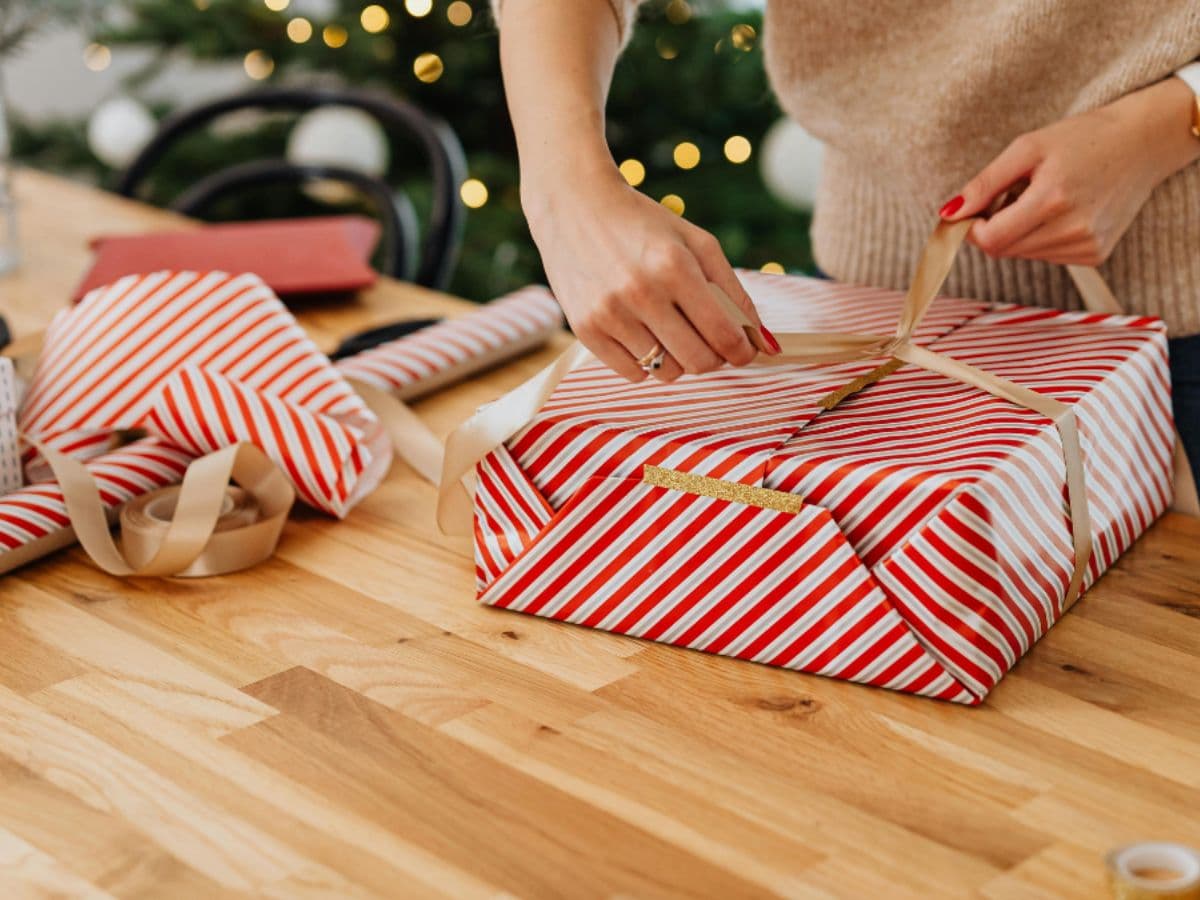
When wrapping presents and preparing gifts for the festive season, it's important to remember that some of the items you are using could be hazardous:
Wrapping or crepe paper: Although not toxic, swallowing large amounts of paper or ribbons can cause digestive blockages.
Batteries: Many toys and gadgets contain batteries, especially small button types. If chewed or swallowed, they can cause chemical burns, heavy metal poisoning, or become lodged in the throat.
Toys and toy parts: Small, detachable pieces from toys, decorations or packaging may be swallowed, creating choking hazards or gastrointestinal blockages.
Silica gel packets: These seemingly harmless packets are a foreign body risk if ingested. While the silica itself is generally non-toxic, the packet can block the digestive system.
Always keep wrapping materials and small items out of reach, and supervise pets closely when gifts are being opened.
Chocolate, nuts and raisins: These festive treats are harmless to humans but are dangerous for pets due to the toxins they contain. We see many cases of dogs having opened presents sat under the tree containing these ingredients. It's important that any suspected ingestion is be treated as an emergency.
If you need any assistance this festive season, please contact your local vet and, if out-of-hours, your nearest Vets Now clinic.
Authors and contributors


Disclaimer
Vets Now assumes no liability for the content of this page. This advice is not a substitute for a proper consultation with a vet and is only intended as a guide. Please contact your local veterinary practice for advice or treatment immediately if you are worried about your pet’s health, even if they are closed, they will always have an out-of-hours service available.