
What is dog incontinence?
Urinary incontinence in dogs is the involuntary loss of urine. It usually affects middle-aged and older neutered females, but it can be seen in intact females and males.
Dogs can be incontinent for lots of reasons and, in many cases, it's an easy problem for a vet to solve. These reasons range from bladder infections to urinary tract abnormalities.
Left untreated, dog incontinence usually gets worse with time. In many cases, the first sign is a small wet patch on the bedding at night. This can progress to a considerable amount of urine leaking out whenever the dog lies down and may even result in urine scalding of the skin.
My dog is peeing inside, is he definitely incontinent?
Owners often use the term 'incontinent' to describe inappropriate urination e.g. puddles left on the kitchen floor overnight. But unless your dog is completely unaware that they're passing urine, then they're not actually incontinent.
In around 80% of cases of true incontinence, the problem is due to 'sphincter mechanism incompetence', which essentially means the bladder neck is weakened and cannot retain urine within the bladder. It's also related to the position of the neck of the bladder in the dog's pelvis. Changes in internal pressure when the dog lies down mean that the urine can easily flow into the neck of the bladder and then will start to leak out.

Is dog incontinence always age-related?
Not necessarily, but many of the diseases that can cause incontinence are more common in elderly dogs. Older pets can also develop senility and be unaware they're passing urine. Incontinence in dogs often begins when the pet enters middle age, but different breeds become middle-aged at different times. For example, very large dogs are considered middle-aged when they reach around five while small terriers are still considered young at this age. Some breeds are more prone than others to incontinence, although the reasons for this are not known. These include cocker spaniels, Dobermans, and old English sheepdogs.
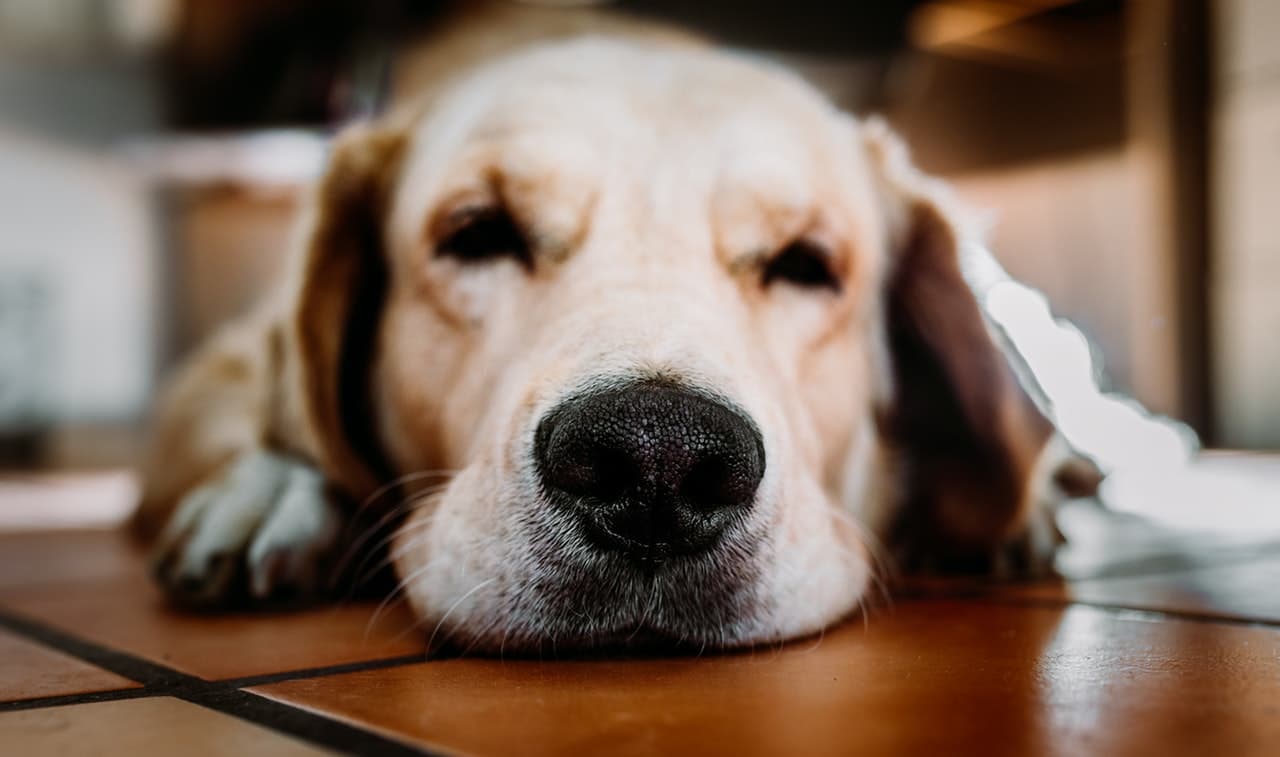
In many cases, the first sign of dog incontinence is a small wet patch on the bedding at night
How will I know if my dog is incontinent?
Dog incontinence can appear suddenly. But in most cases, it will come and go before becoming a persistent problem. If there's another medical condition present, which affects the urinary tract, the incontinence may be more pronounced. Dogs suffering from a urinary tract problem will often pass urine normally when out for a walk and may not show any sign of pain or discomfort when peeing. Some of the tell-tale signs your dog is incontinent can include:
Wet bedding or wet patches where the dog has been lying
Damp legs, particularly in longer haired breeds
Scalding on the skin, from where your dog's been in constant contact with urine
Licking around the back end more than normal
Smell of urine on the dog and their bedding
Urinary incontinence treatment for dogs
Possible causes of incontinence in dogs
Solving an incontinence problem starts with identifying the underlying cause. This may be:
Problems in the bladder
Problems in the urethra
Spinal and neurological abnormalities
Reaction to medication
Hormone levels
Infections and illnesses
Extreme stress and anxiety
Fortunately, there are treatments for dog incontinence which, in the majority of cases, will help manage the problem.
If you're concerned your dog is incontinent, make an appointment to see your vet for a check-up and try to collect a urine sample to take with you. Your vet will want to exclude other conditions which may aggravate the incontinence such as infections, kidney disease, diabetes and other illnesses which encourage excessive drinking.
How to stop a dog from urinating indoors?
You can help your incontinent dog by using bedding, such as vetbed, which draws moisture away from the skin. Dog incontinence pads are also available for an old dog peeing inside. You should also wash the back of your dog's legs regularly to reduce the risk of urine scald. Encouraging your dog to go outside and empty their bladder regularly will also help. We wouldn't advise reducing their water intake as incontinence is not usually caused by excessive drinking (unless there is a medical condition present that leads to increased thirst).
The medical treatment your vet prescribes for dog incontinence will often start to work within a couple of weeks and then will be life-long. In rare cases, surgery may be recommended to change the position of the bladder neck, but usually only if treatment has been unsuccessful.
Authors and contributors

Disclaimer
Vets Now assumes no liability for the content of this page. This advice is not a substitute for a proper consultation with a vet and is only intended as a guide. Please contact your local veterinary practice for advice or treatment immediately if you are worried about your pet’s health, even if they are closed, they will always have an out-of-hours service available.