
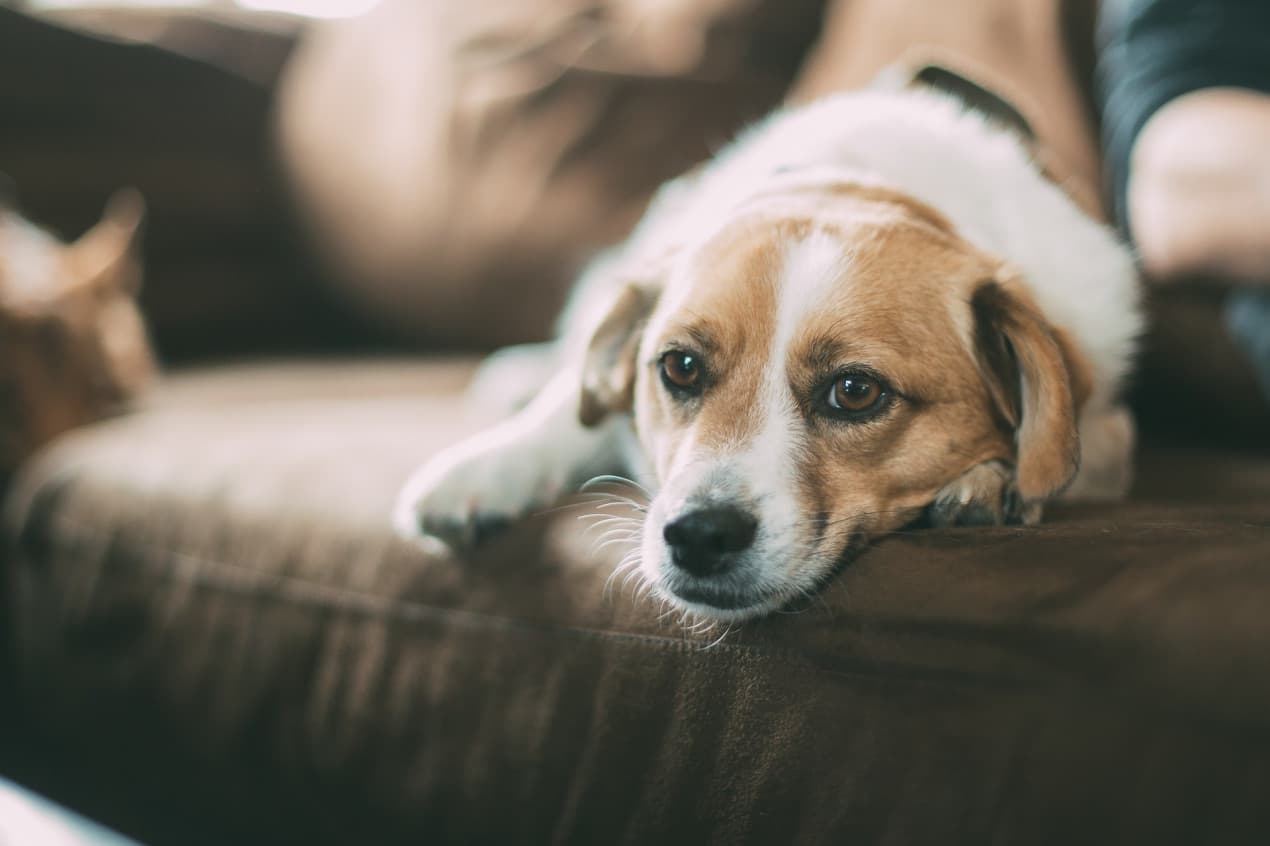
How do I create a dog friendly home?
If you are thinking about getting a puppy or even an older dog, it's worth taking a few moments to think about ways to dog-proof your home to help avoid accidents for your new pet and to help keep your belongings safe.
Dogs are naturally inquisitive and like to play. Puppies are the worst culprits, but older dogs can also cause their fair share of mayhem.
In order to create a dog-friendly home, it's important to consider the hazards around your home that could pose a danger to your dog. Ask yourself, could they squeeze through that gap in the gate or fence? If they fall in the pond, can they get out?
Here are some dog-proofing house tips to keep in mind when introducing a dog to a new home and keeping them safe:

Things to consider when dog-proofing your home
Keep household items your dog could chew on out of their reach
Check dryers and washing machines before use
Secure chemicals and cleaners
Keep food in cupboards and out of reach
Keep rubbish out of reach or get a dog-proof bin
Secure human medication
Keep animal medication locked away
1. Chewing
Puppies love to chew. Common items for chewing are electrical wire, shoes, socks, books, remote controls, kids toys, CDs, DVDs and houseplants. In a dog-friendly house, these items will be kept well out of your dog's reach.
Make sure that there is nothing that could shock your dog, poison them, cause an obstruction to their windpipe or gastrointestinal tract or strangle them. Try to prevent them from chewing on things they shouldn't by making sure they have plenty of toys and chews available to keep them entertained.
2. Dryers and washing machines
Always check your appliance before every use to avoid tragedy. Puppies can climb into washing machines or dryers. Even a few minutes in either the tumble drier or washing machine can lead to severe injuries including heat stroke, thermal burns, bruising, pulmonary contusions (bruising to the lungs), aspiration pneumonia (lung injury due to inhaling liquids) and head trauma.
3. Household cleaners and other chemicals
A key part of dog-proofing your home involves making sure all chemicals are kept locked securely away. Cleaning fluids, antifreeze, and other chemicals are all sources of potential danger for your dog.
Ethylene glycol is the compound in antifreeze. Unfortunately, it smells and tastes sweet, so some dogs will drink it. The toxic dose is tiny and even a few drops of ethylene glycol in a puddle will be enough to cause serious kidney damage and can be fatal. The longer the delay between ingestion of antifreeze and initiation of treatment, the less favourable the prognosis.
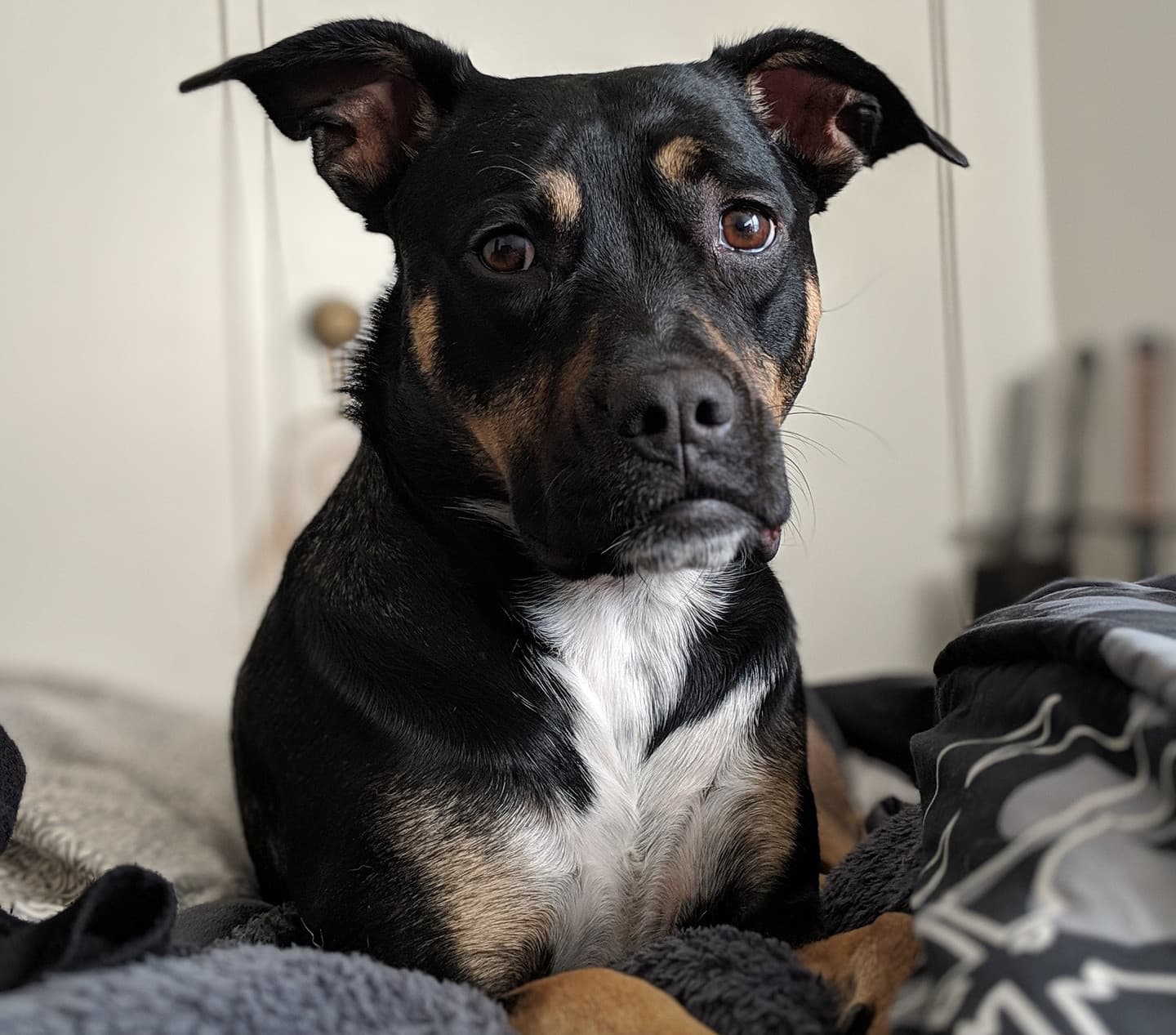
There are several things to consider when creating a dog-friendly house
4. Foods
Some dogs are quite adept at opening cupboard doors. To create a dog-friendly house, make sure there are no foodstuffs in cupboards at their level and, if necessary, fit child locks.
5. Rubbish bins/sacks
Keep rubbish out of reach of your dog or invest in a dog-proof bin. These are great fun to tear open and have a little snack, but likely to lead to a tummy upset or worse.
6. Human medications
Assume that all human medications are poisonous to your dog unless instructed otherwise by your veterinary surgeon. Some every day, over the counter human medications such as ibuprofen are highly toxic to dogs and can lead to kidney or liver failure and death.
7. Animal medications
Increasingly animal medications are being made palatable to make them easier to give to your pet. The downside is that if your dog gets hold of the medication, they may eat more than they should. Make sure you keep all animal medications safely locked away to avoid these cases of self-overdosing.
Authors and contributors

Disclaimer
Vets Now assumes no liability for the content of this page. This advice is not a substitute for a proper consultation with a vet and is only intended as a guide. Please contact your local veterinary practice for advice or treatment immediately if you are worried about your pet’s health, even if they are closed, they will always have an out-of-hours service available.