
My dog has been hit by a car, what should I do?
Emergencies tend to happen when you're least expecting them. Knowing what to do and what not to do can make a difference to saving your pet's life. Here are some simple guidelines on what to do if your dog has been hit by a car.
1. Stay calm
Although easier said than done, try not to panic. Make sure the accident scene is safe before proceeding to prevent further injury to you or your pet.
2. Call your nearest vet
Phone your regular vet or, if it's out of hours, your nearest Vets Now pet emergency clinic or 24/7 hospital. Try to phone ahead to ensure the vets and vet nurses are prepared for your arrival. Your vet may ask questions such as how the dog was hit, what area of the body appears to be injured and how he is responding. The vet may give you some advice on how to deal with any injuries and how to prepare your dog to take them to the veterinary clinic.

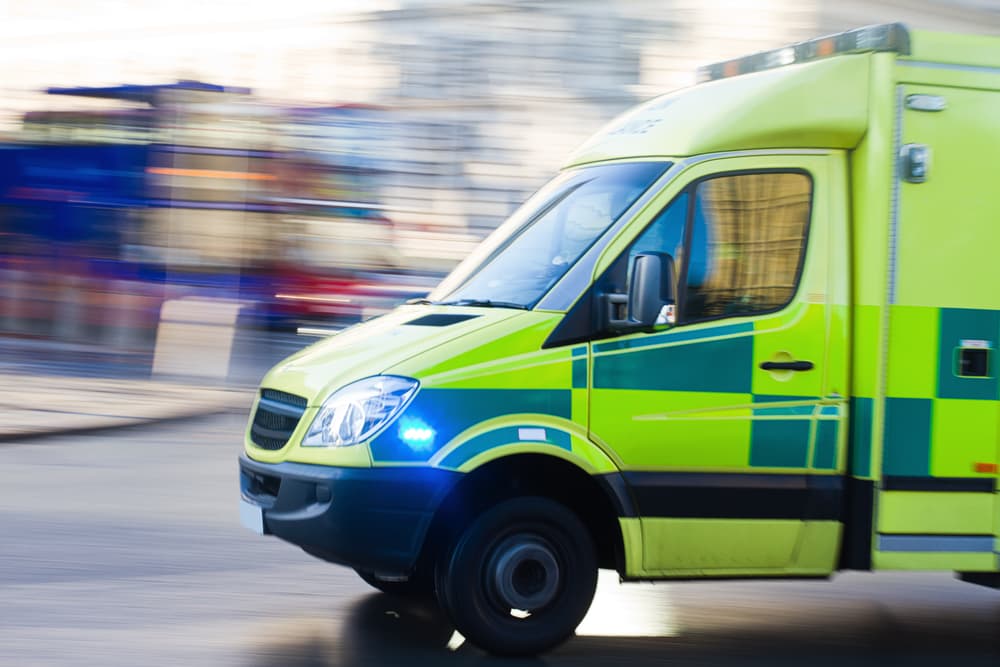
All motorists are required by law to report accidents involving dogs to the police
3. Handle injured dogs with care
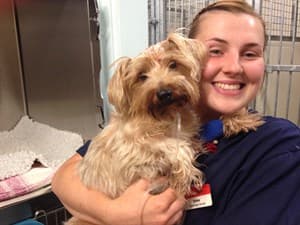
Dogs hit by cars - case studies
Our emergency vets see hundreds of RTA cases every year.
Little Scrappy (pictured) was rushed to Vets Now in Edinburgh after being hit by a car travelling at 40mph.
He was dragged 40 ft along the road as his horrified owner looked on. Astonishingly, though, Scrappy only suffered shock as well as minor wounds to his head and legs.
Another dog treated at Vets Now after being involved in an RTA was six-month-old boxer Sindy. She slipped her lead before being hit by a passing car.
Sindy was taken to Vets Now in Gateshead suffering serious trauma injuries.
The dog is likely to be scared and in pain. He may scratch or bite so handle him with care. Dogs in pain or shock can bite especially when frightened so an emergency muzzle can be made with some bandage or tape to loop over the dog's nose before transporting or handling. But only ever use a muzzle if the animal is not having breathing difficulties.
4. Make sure the dog is comfortable
Keep the injured dog warm by wrapping them in a blanket, keeping their nose and mouth exposed. If your dog is having trouble breathing, maintain an open airway by removing the collar, open the mouth and check for any obstructions.
5. Dealing with serious injuries and suspected broken bones
The most common injuries following road traffic accidents are cuts, scrapes, and broken bones. But our emergency vets also see head trauma (concussion) and internal injuries including internal bleeding. You should cover any wounds with a clean cloth and apply gentle pressure to stop any bleeding. If you think there may be broken bones, keep the dog as still as possible and place them on a hard move-able surface such as a piece of wooden board covered with a blanket or the parcel shelf from your car. Never give the dog any medication or food or drink.
6. What will happen at the vets?
Depending on the extent of the injuries, the dog may need to be admitted for tests, monitoring, and treatment. The vet may need to perform blood tests, x-rays or ultrasound scans to rule out serious internal injuries. Your dog may also need intravenous fluids (a drip) to counteract shock and will probably be given pain relief and antibiotics.
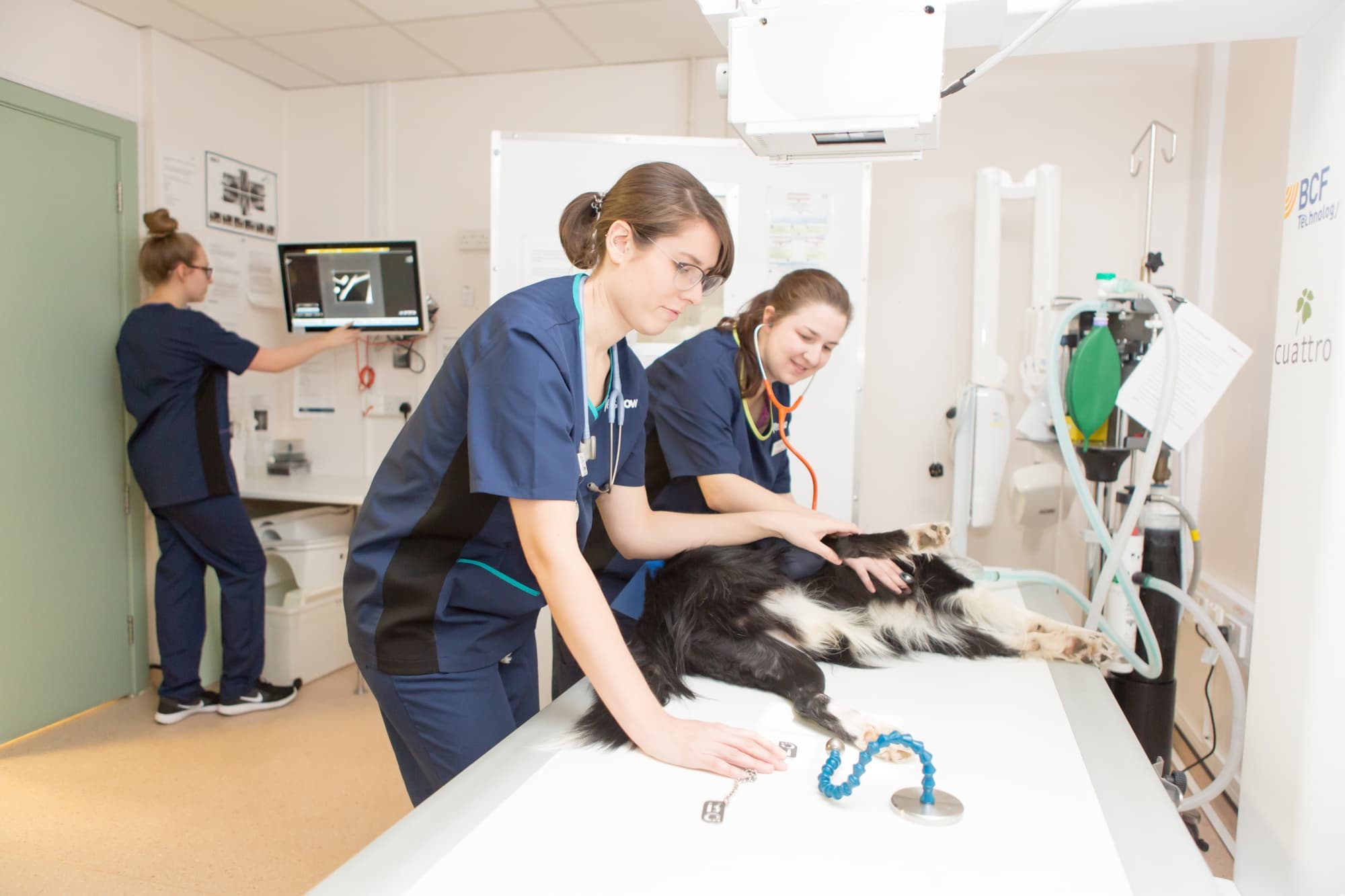
Our emergency vets regularly treat dogs who have been struck by cars
My dog was hit by a car, who is responsible?
In the UK, dog owners are held responsible if their pet is run over by a car. The law specifically states that any person who allows a dog to run onto a road off the lead is guilty of an offence. The owner is also responsible for any veterinary costs and, potentially, for the cost of repairs to the vehicle involved.
Running over a dog UK law
Dogs, as well as goats, horses, cattle, ass, mules, sheep and pigs, fall within the remit of the Road Traffic Act. Therefore, motorists are required by law to report accidents involving dogs to the police.
Authors and contributors

Disclaimer
Vets Now assumes no liability for the content of this page. This advice is not a substitute for a proper consultation with a vet and is only intended as a guide. Please contact your local veterinary practice for advice or treatment immediately if you are worried about your pet’s health, even if they are closed, they will always have an out-of-hours service available.