
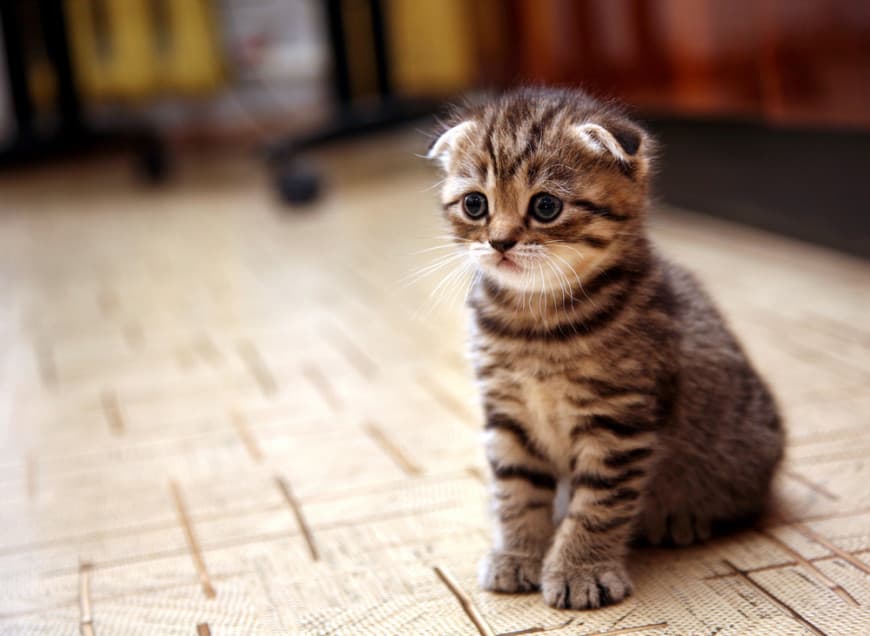
Cat and kitten constipation
Cats should produce a stool around once a day. If your cat hasn't been to the toilet for 48 to 72 hours they may be constipated. One of the most common causes of constipation in cats and kittens is dehydration. But constipation is also often a side effect of several conditions including diabetes, kidney disease, hyperthyroidism and ruptured or impacted anal sacs. Constipation can affect any cat at any age, but it's more commonly seen in middle-aged and older male cats. Obese cats are also at greater risk. If constipation is left untreated it can lead to more serious issues.
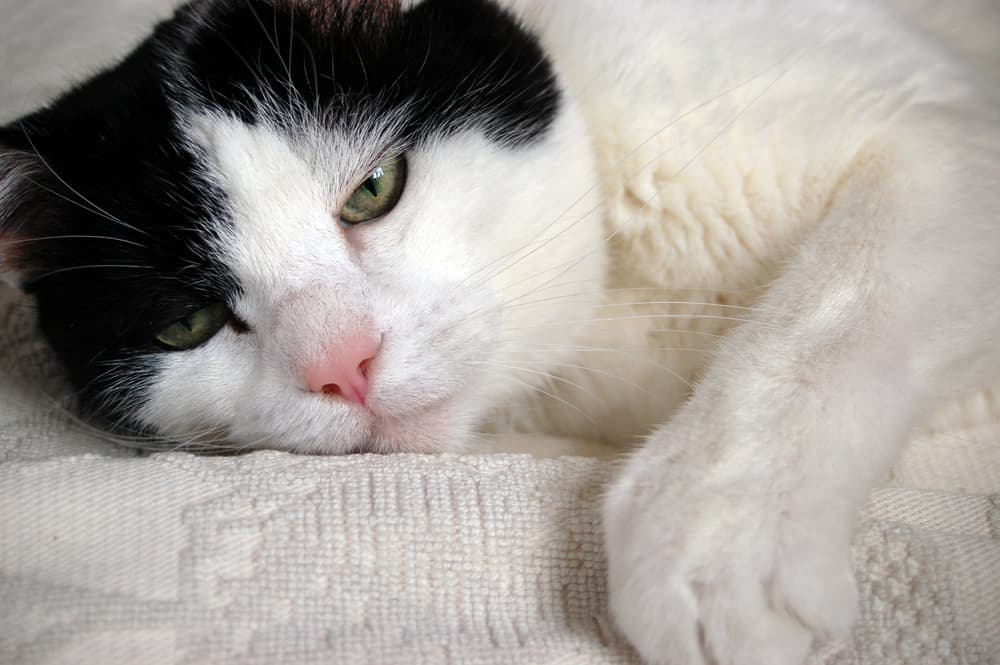
Older male cats and obese cats are most likely to suffer from constipation
What are the signs of cat constipation?
It's important to work out whether your cat is trying to pass poo or trying to urinate. Unfortunately, the signs can be quite similar, making it difficult to be sure what's going on. If your cat is constipated there may be liquid or mucus from the anus and redness or swelling around the anus. If your pet is straining to pass urine, you may see small amounts of urine or blood around the vulva or penis and your cat may lick this area.

How will I know my cat is constipated?
Symptoms of constipation in cats can include:
Hard, dry faeces, possibly with some blood or mucus on the surface
Frequent attempts to pass faeces with little or no production of faeces
Discomfort, pain
Lethargy, loss of appetite or vomiting may be seen if constipation is severe or of long duration
What causes cat and kitten constipation?
The most common causes of constipation in cats are dehydration and megacolon. Megacolon is a condition in which the colon becomes abnormally dilated and enlarged and loses its ability to contract which makes it difficult to expel faeces. Other causes include litter tray avoidance (some cats don't like the litter tray and therefore do not pass faeces as often as they should meaning the faeces becomes dry and hard), old injuries to the pelvis, which can result in a narrowing of the pelvic canal through which the faeces must pass, hair mats that block the anus and foreign objects in the intestines.
Cat laxative
There are several products that are designed to relieve cat constipation. Speak to your daytime vet for more information.
But as dehydration is often the cause of constipation in cats, it's even more important you try to increase your cat's water consumption. You can do this by placing water bowls in different rooms or flavouring their water with something like tuna.
Constipation in cats treatment
If your cat has not passed faeces for 48 hours, he will need to be checked by your vet. Your vet will discuss your cat's signs with you and perform a physical examination. Further tests such as x-rays, ultrasound, blood and urine tests may be needed.
If dietary adjustments (i.e. more fibre and water) have not worked, your vet may give your cat an enema. DO NOT use over-the-counter enema solutions designed for humans. Some of them contain enough potassium to kill a cat. Your cat may also be given fluids (a drip). In some severe cases, your cat may need to be sedated to have the faeces manually removed.
Constipation can be prevented in many cases by providing adequate fibre and water to keep your cat regular.
Authors and contributors

Disclaimer
Vets Now assumes no liability for the content of this page. This advice is not a substitute for a proper consultation with a vet and is only intended as a guide. Please contact your local veterinary practice for advice or treatment immediately if you are worried about your pet’s health, even if they are closed, they will always have an out-of-hours service available.