
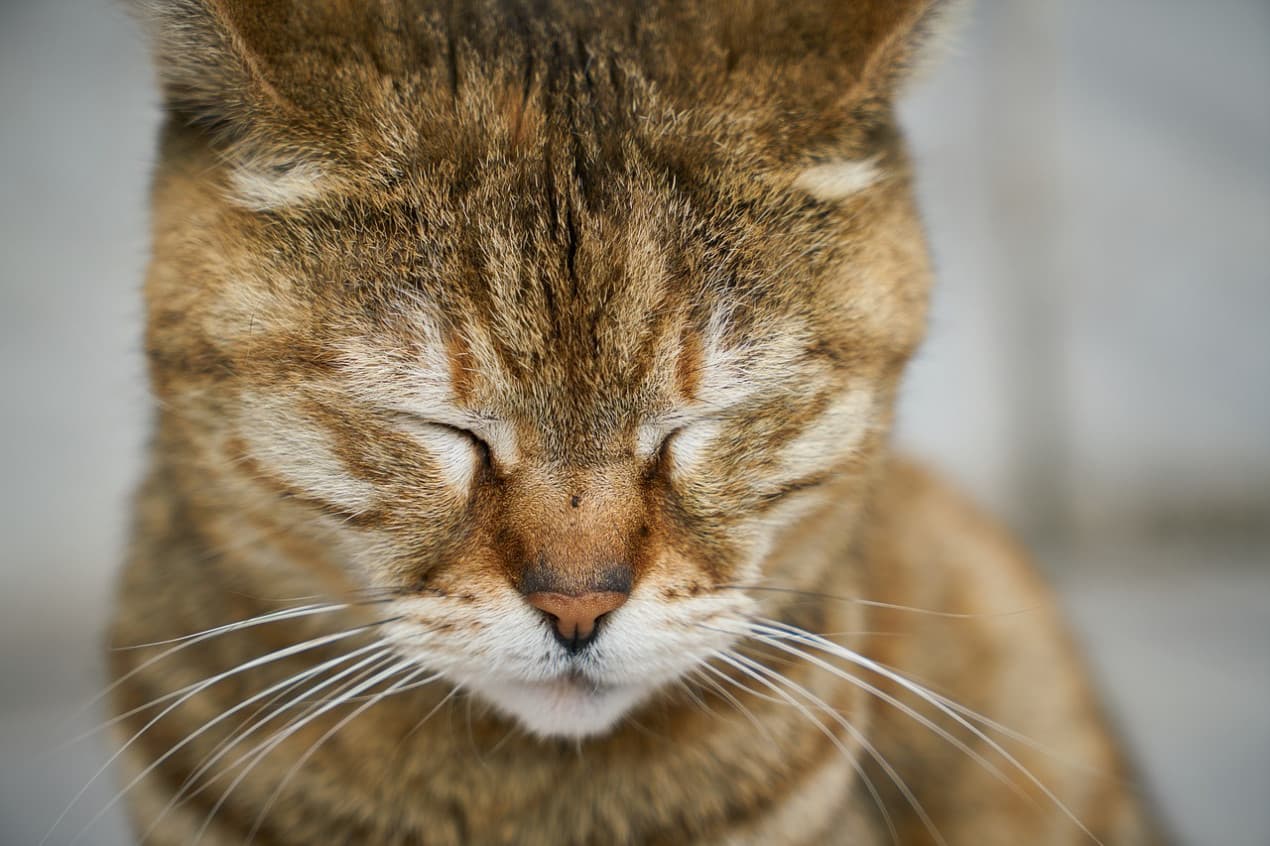
How to tell if a cat is in pain?
Pain in cats can be caused by a variety of medical conditions such as systemic diseases, traumatic events (injury/trauma), following surgery, etc.
It can be very difficult to assess if a cat is in pain, where the pain is coming from and what's causing it. Cats are particularly good at masking clinical signs of pain and sometimes the signs are subtle and easy to miss. This is especially true of chronic pain, which is often, mistakenly, put down to old age.
Why don't cats always show pain?
Cats in the wild who are suffering from an injury or are in pain will try to hide it in an attempt to dupe predators into thinking they're not vulnerable. It's likely domestic cats have adopted similar traits. Just remember different cats respond differently to pain. This often depends on their age, environment and general health.

What can I give my cat for pain relief?
How do you know if your cat is in pain
Signs that your cat is in pain include:
Agitation (unsettled, trembling)
Cat crying, growling, hissing
Limping or difficulty jumping
Avoids being petted or handled or less affectionate towards people
Playing less
Licking a particular body region
Aggressive behaviour
Change in posture or gait
Grumpy, quiet, hiding, lack of grooming
Reluctantance to walk or move
Change in temperament or mood
Change in toilet habits
Sleeping more than usual
Reduced appetite or appetite change
Rapid, shallow breathing
Eyes closed or involuntary blinking
Tail flicking
Avoiding bright areas
There are a variety of medications your vet can use to provide pain relief to your cat, although underlying conditions will always need to be investigated and treated accordingly.
Pet owners should never self-medicate their pets without direct instruction from a veterinary surgeon. Common human drugs painkillers such as ibuprofen or paracetamol are highly toxic to cats – a single paracetamol tablet can kill your cat. Do not use animal painkillers you may have at home from a previous condition or a different pet, unless a veterinary surgeon directly advises you to do so.
What can I do to help my cat in pain?
If your cat is recuperating from an illness or from surgery try to restrain their movement and physical activity until they're fitter. Soft, padded bedding and a cinfined, quiet comfortable environment will help speed up your cat's recovery.
Treatment for cats in pain
Different types of pain require different types of treatment. Always ensure your cat receives the correct dose of any medications prescribed by your vet. Each cat will react differently to the type and dosage level of pain medication. Monitor your cat's response to the medication and if you have any concerns contact your vet or, out of hours, your nearest Vets Now pet emergency service. You can also speak to one of our experienced vets online using the Video Vets Now service
Glasgow pain score in cats
Most vets use pain scales as a protocol to assess the level of pain a pet is suffering. However, because pets can't speak the results are based on the vet's interpretation of the intensity of the pain.
The Glasgow Feline Composite Measure Pain Scale (CMPS-Feline) is the most commonly used for cats. It features 28 options, based on the cat's behaviour, within seven categories, such as ear position, vocalisation and posture. Each option is ranked according to its pain severity and the maximum score for the seven categories is 20. The pain scale can be applied quickly and reliably in-clinic.
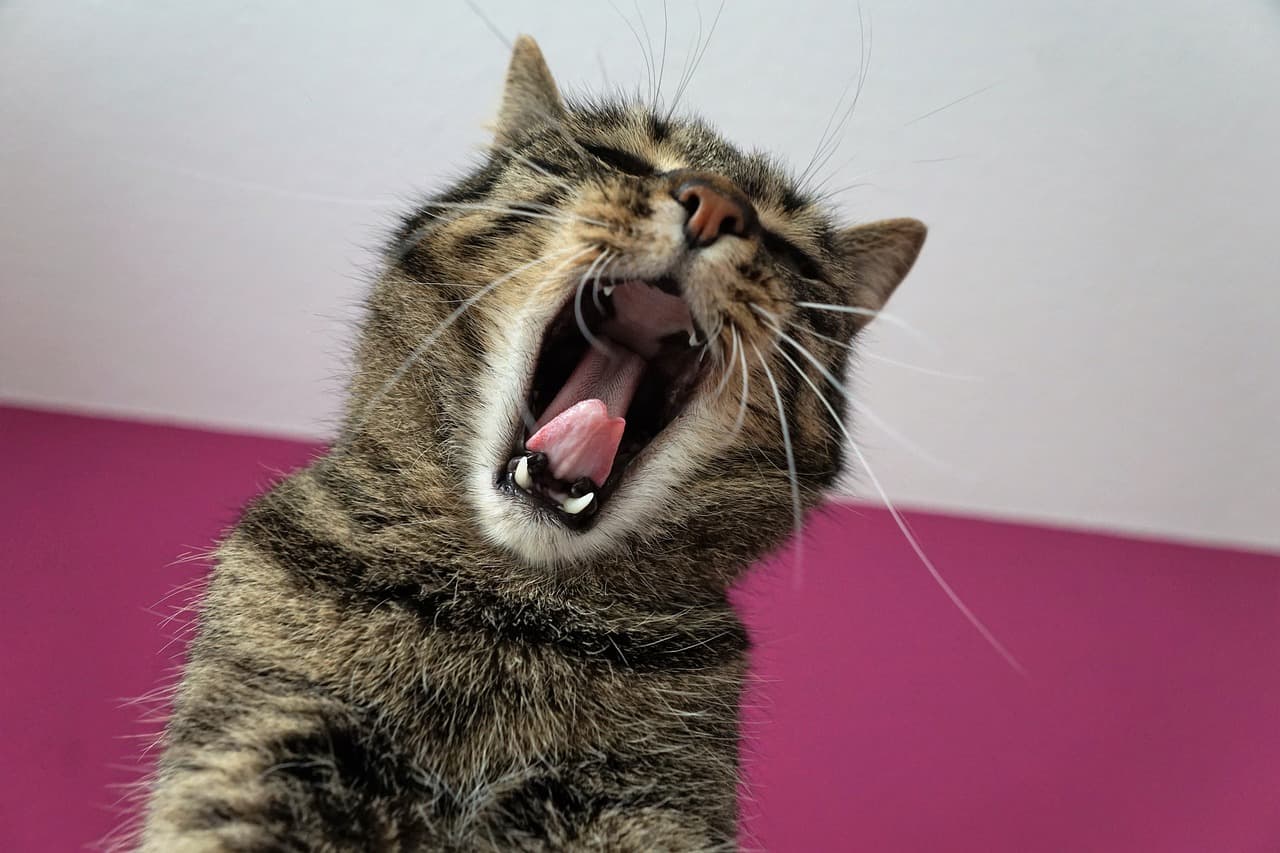
Crying, growling and hissing are among the signs a cat is in pain
Natural pain relief for cats
Soaring numbers of herbal remedies for cats are coming on to the market. But the fact is there is little to no scientific evidence to support their use. Cat owners should only ever use natural remedies if directed to do so by their vet. Only treatments underpinned by recognised evidence-based veterinary medicine or sound scientific principles should be considered and your vet is the best person to provide you with this guidance.
Authors and contributors

Disclaimer
Vets Now assumes no liability for the content of this page. This advice is not a substitute for a proper consultation with a vet and is only intended as a guide. Please contact your local veterinary practice for advice or treatment immediately if you are worried about your pet’s health, even if they are closed, they will always have an out-of-hours service available.