
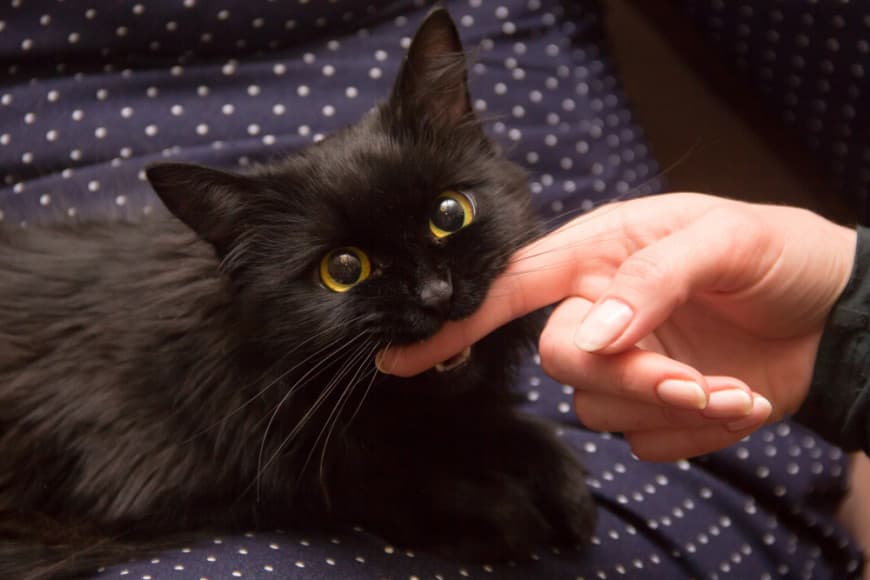
Are cat bites dangerous to humans?
Cat bites and scratches are not to be ignored. They can lead to serious infections such as Pasteurella multocida, which occurs when bacterial organisms from the Pasteurella species enter the body through punctures in the skin. This can result in cellulitis. Potentially dangerous fusobacterium organisms and the streptococcus species, which can cause a wide range of infections such as tonsillitis and scarlet fever, are also often present in cats, as is the bacteria bartonella henselae, which can cause a condition called cat scratch fever.
What is cat scratch fever?
What to do if a cat bites you?
Scrub the wound with antibacterial soap (chlorhexidine) for at least five minutes
While cleaning flex and squeeze the muscle to encourage the wound to bleed
Soak the affected area in warm Epsom's salts, again flexing and squeezing the wounds to encourage it to bleed
Seek medical advice from your GP or A&E department
Cat scratch fever is the common name for an infectious bacterial illness called bartonellosis, which is caused by the bacteria Bartonella henselae. It can be passed from cat to cat and from cat to human. The bacteria is found in the faeces of fleas and, in most cases, cats pick it up while grooming themselves and inadvertently ingesting these. The bacteria can also be transmitted by ticks. Humans usually catch cat scratch fever after being scratched or bitten by an infected pet, or when a cat carrying the bacteria licks a graze or open wound on their body.
How does cat scratch fever affect humans?
Fortunately, cat scratch fever is rarely fatal and symptoms are usually mild. Common symptoms of catch scratch fever include tiredness, headache, high temperature and swelling of the lymph nodes near the scratch or bite. It usually takes between one and two weeks for these to show, although in some cases it has been known to take up to eight weeks. Symptoms usually resolve on their own following rest, although people with underlying illnesses may need medical attention.
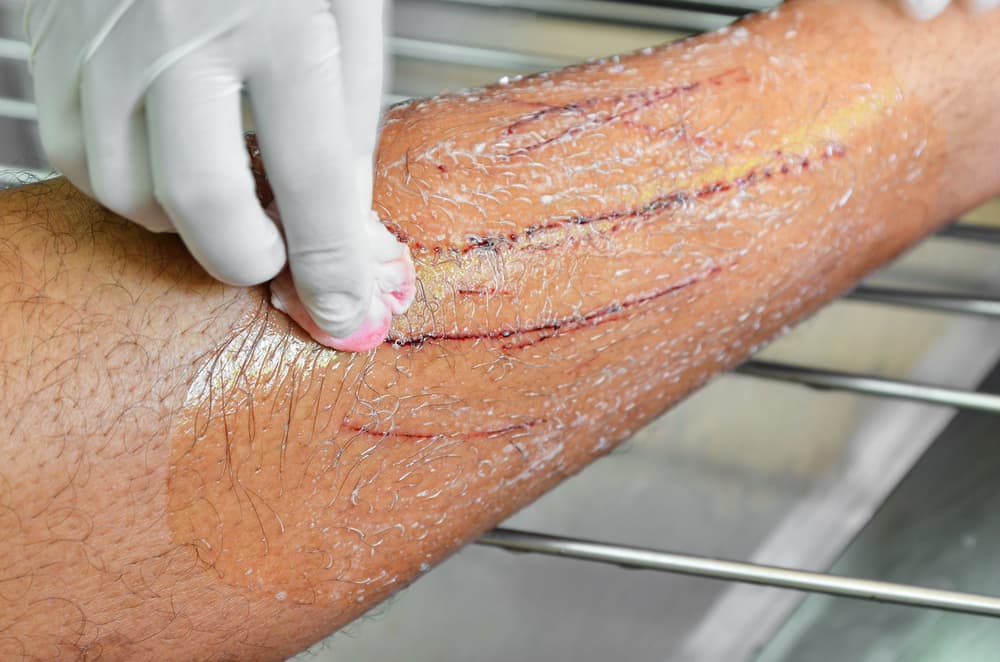
Cat scratches and bites should be scrubbed with antibacterial soap for at least five minutes
How to prevent cat bites and cat scratch fever?
You should never offer up your hand as a plaything for your cat and you should always provide them with a variety of stimulating toys to play with. Never leave cats alone with young children and avoid stroking or petting unfamiliar cats.
If your cat is showing signs of petting-induced aggression learn what the triggers might be. You can also take steps to stop your cat from developing bartonellosis by making sure they're regularly treated for fleas and ticks.
When to get medical help for a cat bite wound?
Why do cats bite?
Cats may, of course, show aggression when they're scared or feeling threatened.
But many are also inclined to bite and scratch while being petted by their owner. This is called petting-induced aggression and it's puzzled animal behaviourists for decades.
There are three theories as to why cats do this. One is simply that they're letting their owner know that they're no longer happy being stroked. Another is that they're trying to establish their status. The third is being petted for a while eventually stimulates negative thoughts in cats.
It's important owners get to know their cat so can they can recognise the tell-tale signs of petting-induced aggression.
If you experience any of these symptoms, you should seek emergency help:
Redness and swelling around the wound
Wound feels warm and increasingly painful
Liquid or pus leaks from the wound
Fever of 38C or above
Sweats and chills
Swollen glands under the chin or in the neck, armpits or groin
Red streaks extending along the skin from the wound
How can I find out if my cat is carrying Bartonella henselae?
This can be difficult as most cats don't show any symptoms. If a correct diagnosis is essential, your vet may take a blood sample and attempt to culture the bacteria. But this may not prove conclusive as the bacteria isn't always circulating through the bloodstream.
Authors and contributors

Disclaimer
Vets Now assumes no liability for the content of this page. This advice is not a substitute for a proper consultation with a vet and is only intended as a guide. Please contact your local veterinary practice for advice or treatment immediately if you are worried about your pet’s health, even if they are closed, they will always have an out-of-hours service available.