
Carbon monoxide poisoning in cats
Carbon monoxide is a colourless, odourless, tasteless and highly poisonous gas. It is produced when natural gas or LPG burns and unventilated kerosene or propane heaters, car engines and exhausts, and carbon-based fuel heating systems are all potential sources. Just like humans, cats don't recognise when carbon monoxide is present, which means it can kill. It's often called 'the silent killer' for this reason.
It's particularly dangerous for cats because, as all owners know, there is nothing more a cat likes on a cold day than to happily curl up against a fire or heater. Human error (not ventilating a room properly or installing faulty equipment) is almost always to blame for cases of carbon monoxide poisoning in cats.

Why is carbon monoxide poisonous to cats?
Symptoms of carbon monoxide poisoning in cats
Sleepiness
Drowsiness
Bright red nostrils, lips and ears
Lethargy
Dizziness and unsteady on feet
Difficulty breathing
Vomiting
Cough
Flu symptoms
Coma
Seizures and convulsions
We rely on the red blood cells within our blood vessels to carry oxygen around our bodies and deliver it to the areas that need it. When we breathe in carbon monoxide this binds to the red blood cells effectively stopping it carrying the life-giving oxygen we need.
As a result, the main signs of carbon monoxide poisoning in cats is likely to be sleepiness and drowsiness. They may also be wobbly or dizzy when walking. More severe signs include convulsions.
Diagnosis and treatment
Your vet will ask you about your cat's health, the onset of signs, and possible incidents that might have led to them being ill. During the examination, your vet will observe how your cat breathes and listen to their chest for evidence of a heart murmur or fluid in the lungs.
Your cat's gum colour will also be evaluated, as this can indicate whether oxygen is being delivered to the organs effectively, or if it there is a low red blood cell count (anaemia). If your cat is having extreme difficulty breathing, the vet or nurse may give your cat oxygen to help him settle before doing any more examinations or tests.
Most cases will require blood tests to check for underlying disease conditions and X-rays or ultrasound to examine the lungs and heart.
Treatment will depend on the diagnosis your vet makes for your cat's breathing problems. Most breathing problems require admittance into the hospital until your cat's breathing has significantly improved.
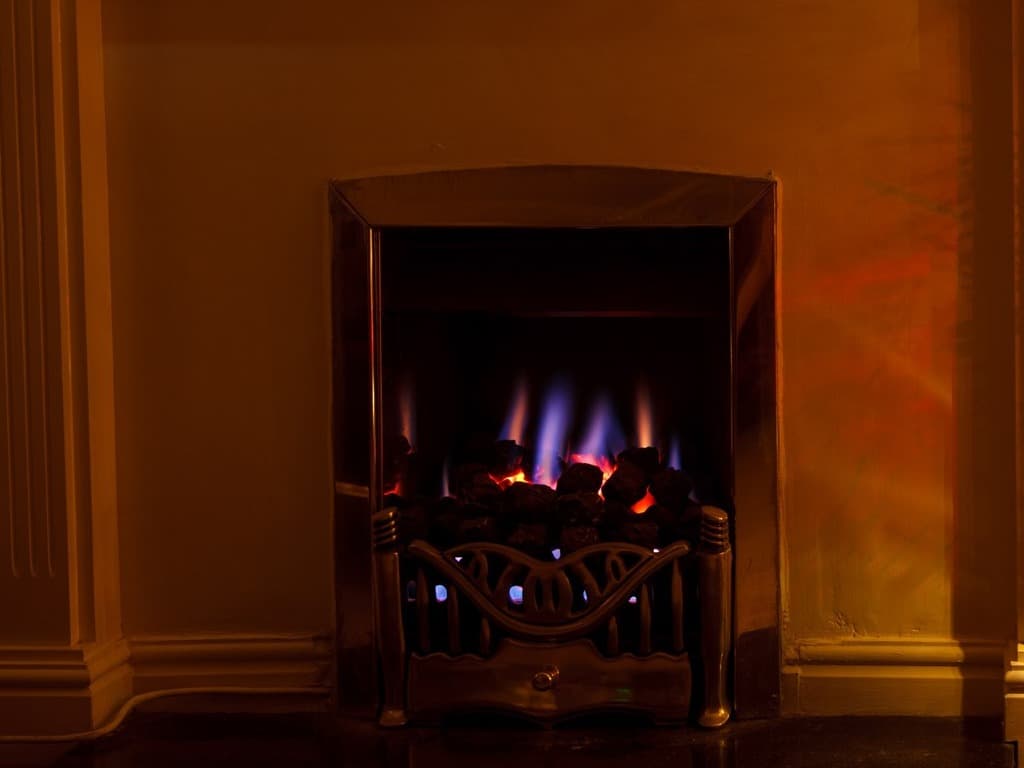
Poorly ventilated heaters are one a potential source of carbon monoxide
Other reasons your cat may be struggling to breathe?
There are many different reasons your cat may be struggling to breathe and these include:
infection (bacterial, viral, parasitic)
trauma
bleeding
foreign objects
heart failure
asthma
anaemia
allergies
pain
fever
diseases that make the belly enlarged or bloated
medications
tumours
Authors and contributors

Disclaimer
Vets Now assumes no liability for the content of this page. This advice is not a substitute for a proper consultation with a vet and is only intended as a guide. Please contact your local veterinary practice for advice or treatment immediately if you are worried about your pet’s health, even if they are closed, they will always have an out-of-hours service available.