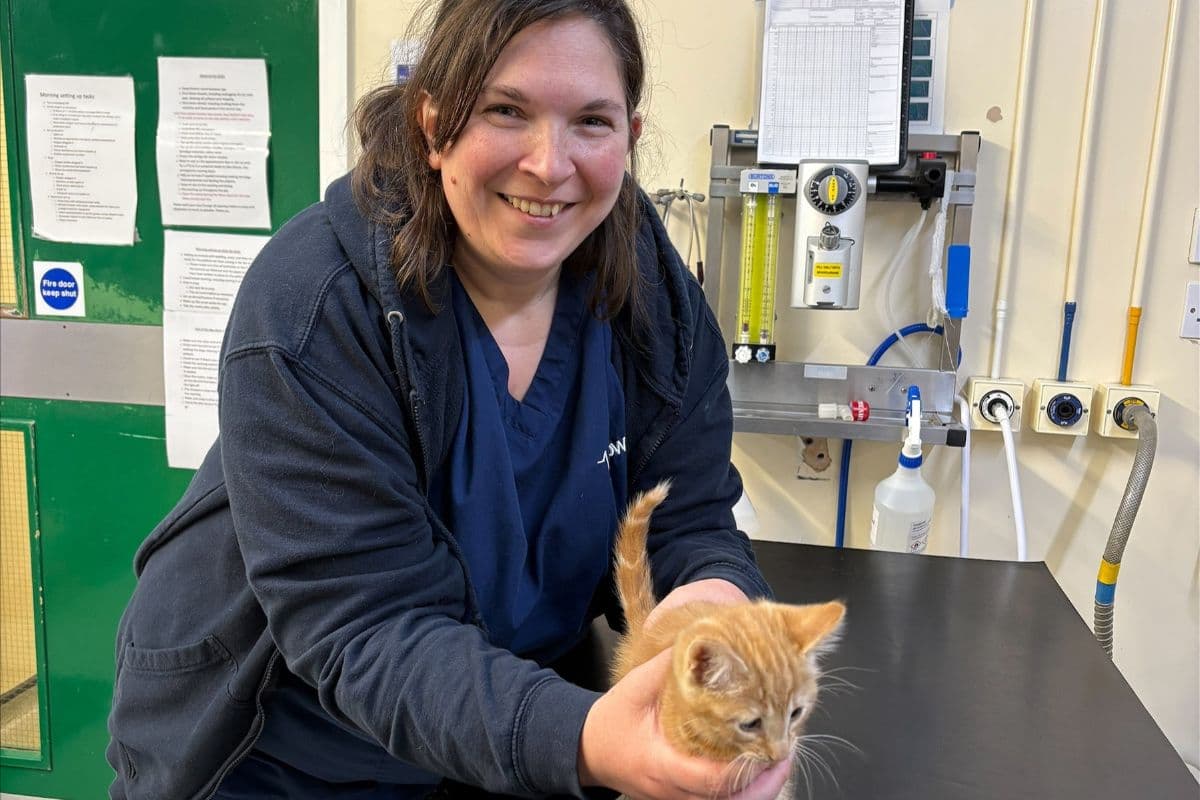
After graduating from the RVC in 2023 and working in mixed practice, Lucy Wildblood spotted information about our Cutting Edge programme on social media and decided it was the right time to make the move to Vets Now.
In this blog Lucy shares:
How our Cutting Edge programme gave her the confidence, knowledge and practical skills she needed to transition into ECC
The programme’s blend of theory and hands-on training and made it one of the most valuable experiences of her career
An example of putting what she learned into practice when she had to deal with a status epilepticus case
In her first year at Vets Now, Lucy has enjoyed a variety of cases, developed new skills and found greater work-life balance
Lucy Wildblood is loving life making a difference as a roving vet at three busy Vets Now clinics. But despite getting a feel for ECC in mixed practice after graduating, it was our Cutting Edge course that helped her make the move into emergency medicine. Over the past 15 years, more than 400 vets have found the acclaimed programme invaluable, and Lucy tells us how it’s had a massive impact on her veterinary life.
What’s your veterinary background?
“I went to the RVC, graduating in 2023 and went into mixed practice in the north-east of Scotland for a couple of years. We did our own on-call, and I think I ticked off pretty much all the classic emergency cases you’d want to see pretty early, including a GDV. But while I enjoyed the cases, I didn’t enjoy how isolating it felt at times, and how tired on-call made me feel alongside day practice. That’s when I started to think about moving to Vets Now.”
What part did Cutting Edge play in that move?
“I’d actually toyed with moving a year before, but I felt my surgical exposure wasn’t yet there for me to be doing solo night shifts. I’d seen Cutting Edge on socials and when I made the decision to come to Vets Now I thought it would give me all the grounding I needed in ECC.”
What was your first impression?
“There was 15 of us on our course and straight off I loved being part of a group of other vets all going through the same thing. That made it such a nice experience and there was a great mix of theory and hands-on. It was one of the most useful things I’ve ever done for my career.”
Tell us about some of the highlights for you.
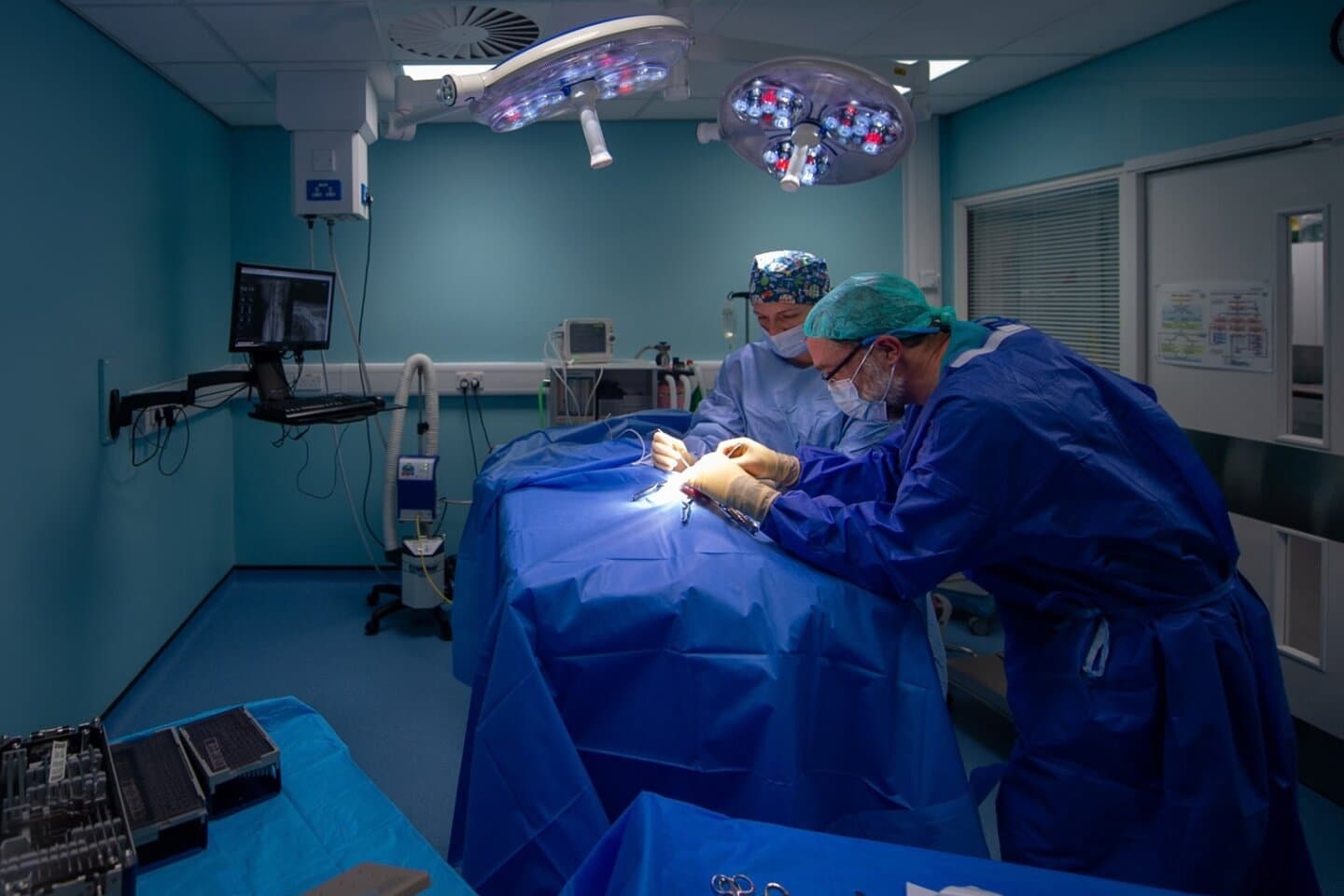
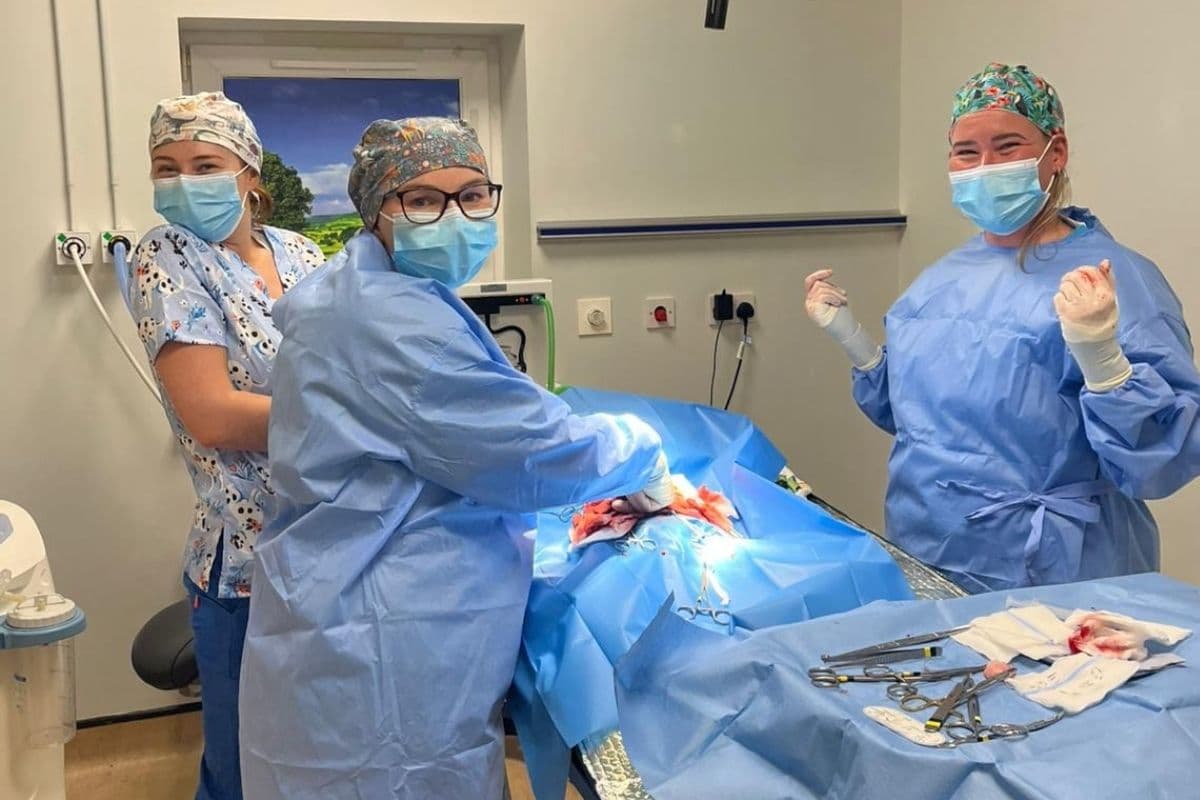
“I hadn’t done a lot of emergency surgery – just routine stuff like neutering and small mass removals – so the surgery was fantastic. I did so many techniques and procedures over those two days. It’s taught by Surgeons who are still treating these patients and cases, and they understand the pressures and juggling you have to perform in emergency work. I took loads of notes and still carry that notepad with me on every shift. It’s been incredibly useful.”
What else has made a real practical impact?
“I used to be really anxious about dealing with seizure cases, but I realised how much I’d learned when I had to deal with a status epilepticus case back in clinic. It was an older dog which had been dealing with seizures for a long time. After escalating treatment, I managed to get it stable enough for the owners to calmly say goodbye, which was really important to them. Just a few months earlier I’d have absolutely dreaded a case like that.”
Have you stayed in touch with the other vets on the programme?
“We have such an active group chat. We share details about cases, get second opinions and just reassurance. When you’re there at 3am and it’s been busy and you start doubting yourself even when you know you’re right, it’s just having that bit of support. But beyond the group chat, you know there are 60-odd clinics fully staffed with people you can ring at any time of the night for support and to make sure you’re not missing anything with that unusual case. Cutting Edge prepares you to be a solo vet, but you’re never really on your own.”
What has your first year at Vets Now been like?
“It’s been great. I was working at Aberdeen initially, but I’m now split between Wolverhampton, Stoke and Telford. I’ve seen so many different cases and done surgical procedures I never thought I’d do. No one wants to be at the emergency vets with their pet in the middle of the night and owners can be so stressed. But they are so appreciative and grateful for what we can do and that gives you so much job satisfaction.”
How have you adapted to the night shifts?
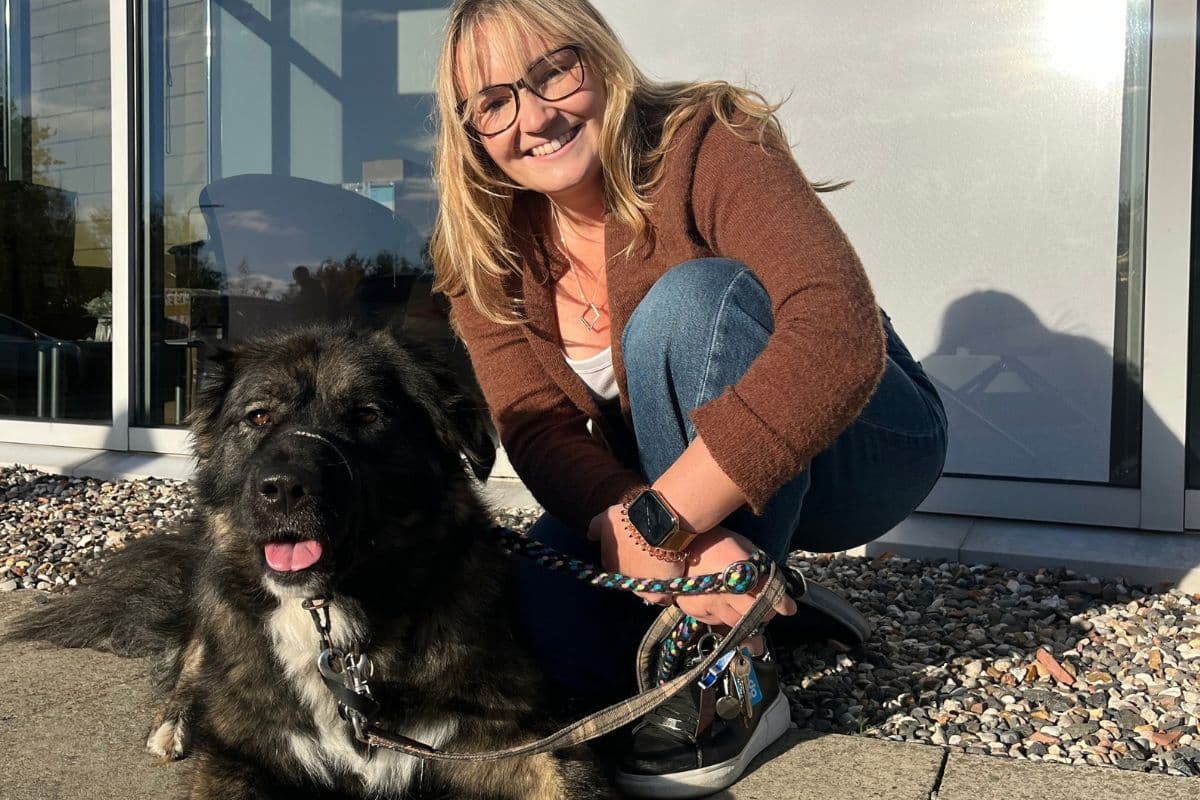
“They are long shifts, but I feel like I get more balance to see my husband and my dog and just enjoy life outside of work too. And even when it’s been a busy challenging shift, you can look back at the end of the night on all the things you’ve achieved for patients which I find really rewarding.”
And you’ve also able to use some of your new skills in a different environment.
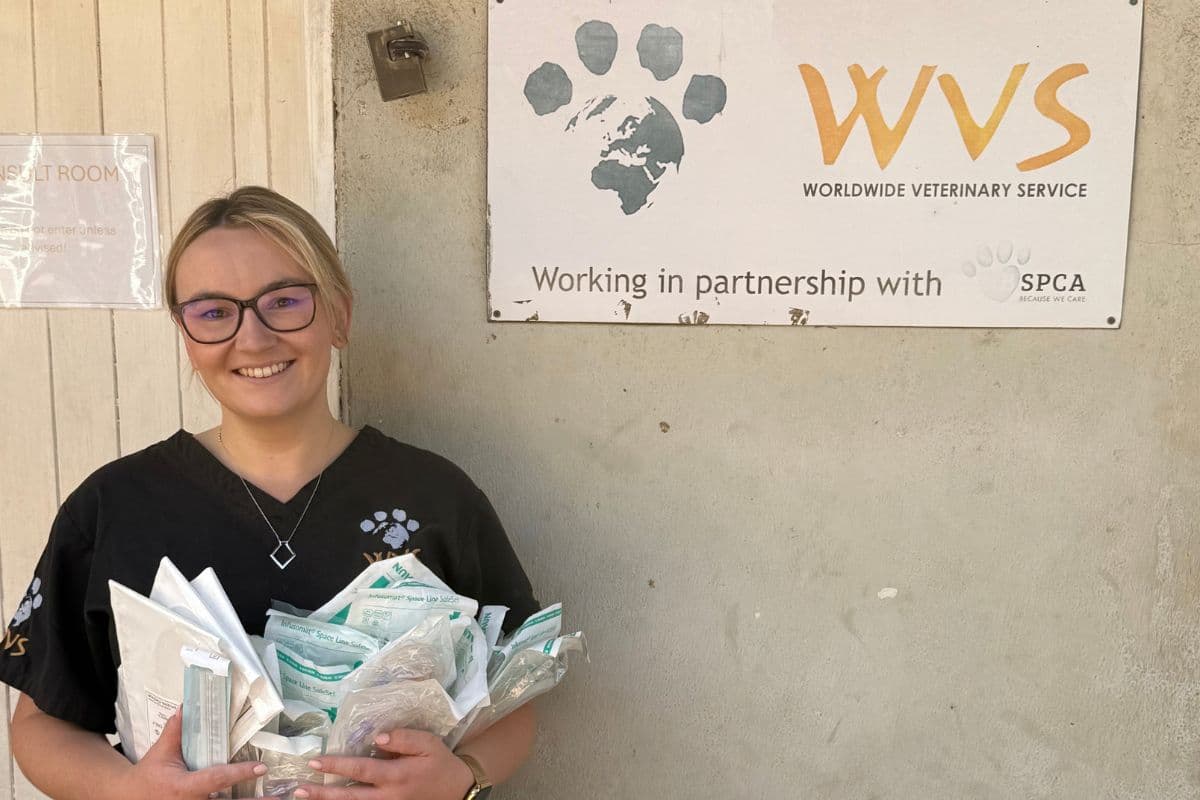
“I was recently in Malawi on a volunteering trip with Worldwide Veterinary Services, doing neutering, vaccinations, chemotherapy and emergency treatments. I was able to keep my surgical skills up and, working with a friend, taught some basic ultrasound skills, which is obviously something we use at Vets Now regularly. We also discussed fluid therapy, which we use in emergency medicine all the time but wasn’t made the most of in the clinic. It was good to feel you were helping make a difference to patients who really needed it.”
For more information on our Cutting Edge programme or to apply visit https://www.vets-now.com/careers/edge/cutting-edge/
Authors and contributors